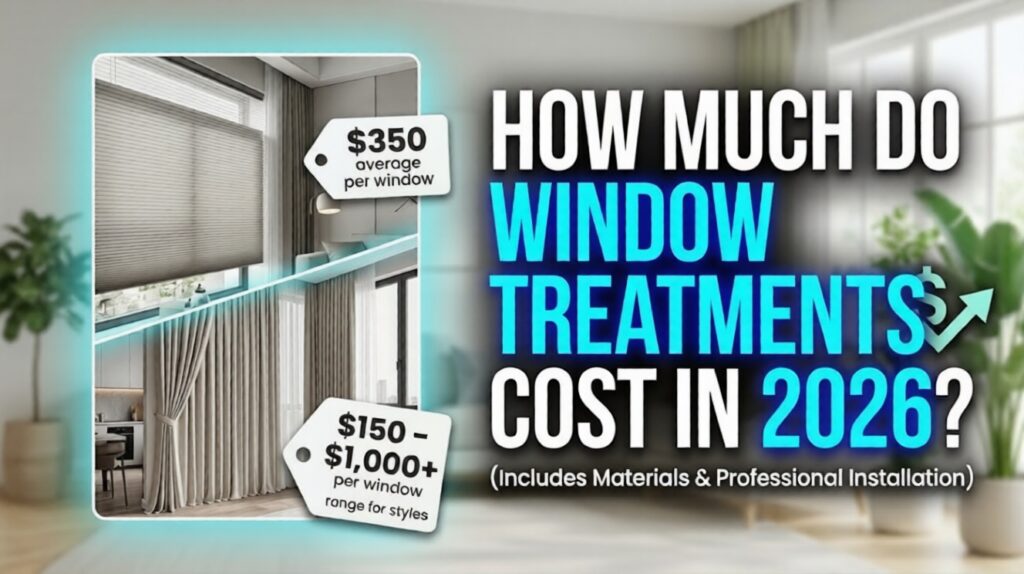

Window treatments are no longer just curtains hanging by your windows they’ve evolved into smart, stylish, and functional home essentials. In 2026, they include blinds, shades, shutters, curtains, and even automated systems that adjust with sunlight. Think of them like the “outfit” for your windows they define the mood, control light, and even impact your electricity bills. Today, homeowners care about more than just looks. They want energy efficiency, privacy, automation, and durability. That’s why window treatments are now considered a serious investment, not just decoration. Whether you’re upgrading a single room or your entire house, understanding costs is the first step to making a smart decision.
Understanding Window Treatments in 2026
What Are Window Treatments?
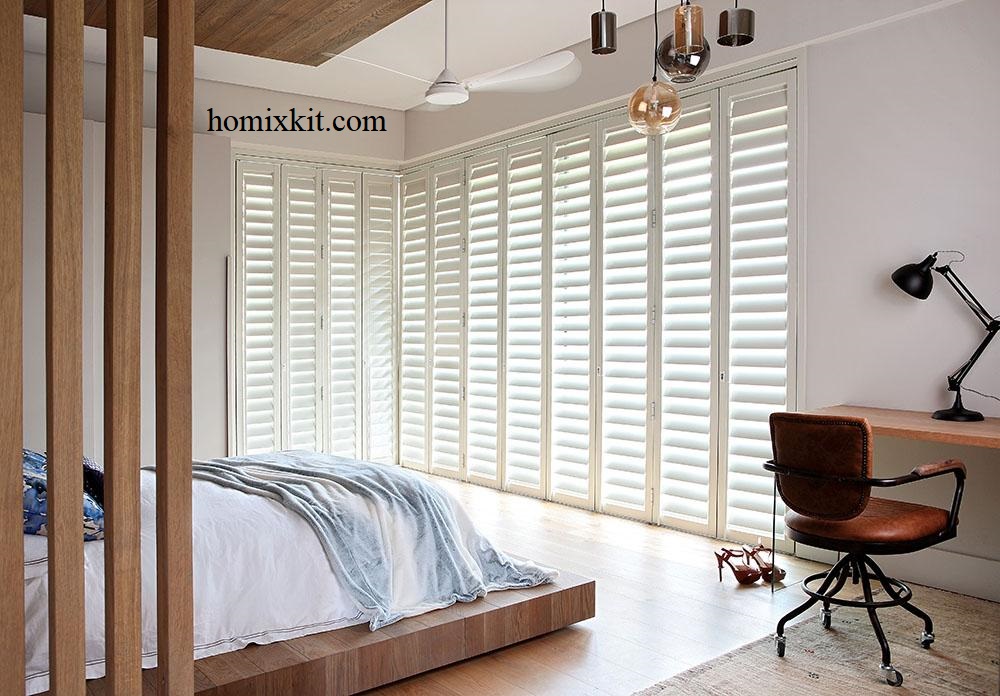
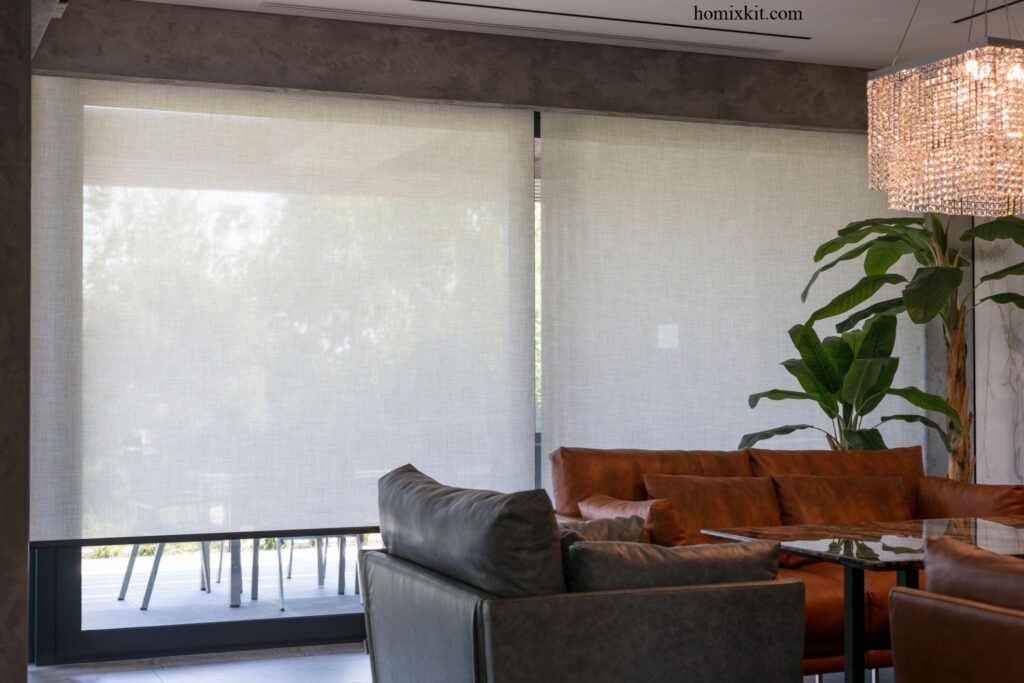
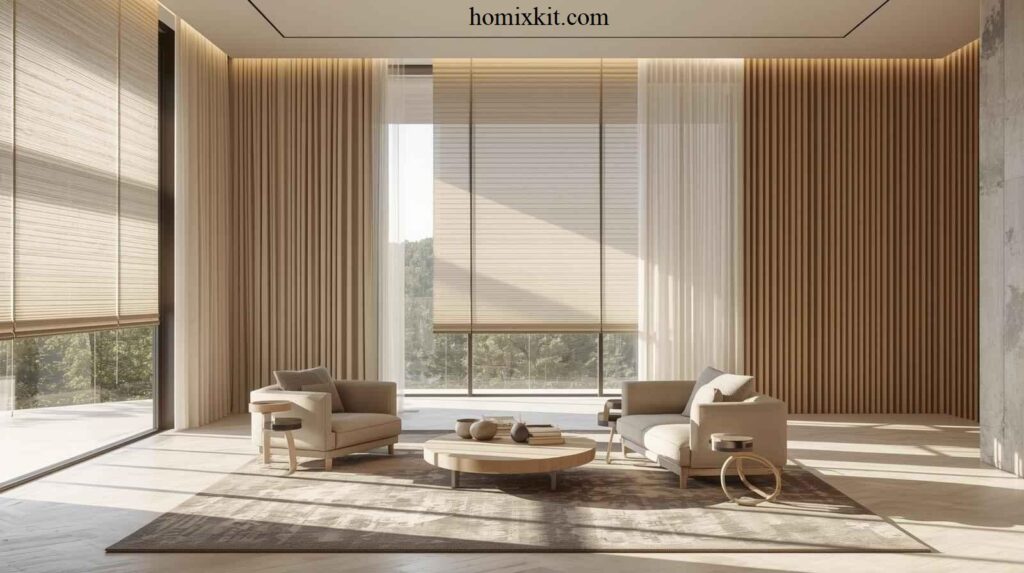
When you hear the term window treatments, you might immediately think of simple curtains hanging by the window. But in 2026, the concept has evolved far beyond that. Window treatments now include a wide range of functional and aesthetic solutions such as blinds, shades, shutters, and even automated smart coverings. These are not just decorative elements they play a key role in controlling light, ensuring privacy, improving insulation, and even reducing energy bills. Think of them as the “clothing” of your windows, giving personality and purpose to your living space.
Today’s homeowners are more conscious than ever about interior design and energy efficiency. That’s why window treatments have become a crucial part of home improvement budgets. Whether you’re designing a luxury home or upgrading a small apartment, choosing the right window treatment can transform your entire space. It’s not just about covering windows anymore, it’s about enhancing comfort, boosting style, and optimizing functionality all at once.
Why Window Treatments Matter More Than Ever
In 2026, homes are smarter, lifestyles are faster, and energy costs are higher. That combination has made window treatments more important than ever. Imagine walking into a room where the blinds automatically adjust based on sunlight or temperature that’s no longer futuristic; it’s reality. These advancements not only improve convenience but also contribute to better energy management.
People are focusing more on creating personalized spaces. Window treatments allow you to control mood, lighting, and ambiance effortlessly. Whether you want a cozy, dim-lit room or a bright, sun-filled space, your window treatments make it possible. And with rising awareness about sustainability, many options now use eco-friendly materials, making them a smart choice for environmentally conscious homeowners.
Average Cost of Window Treatments in 2026
National Average Pricing Overview
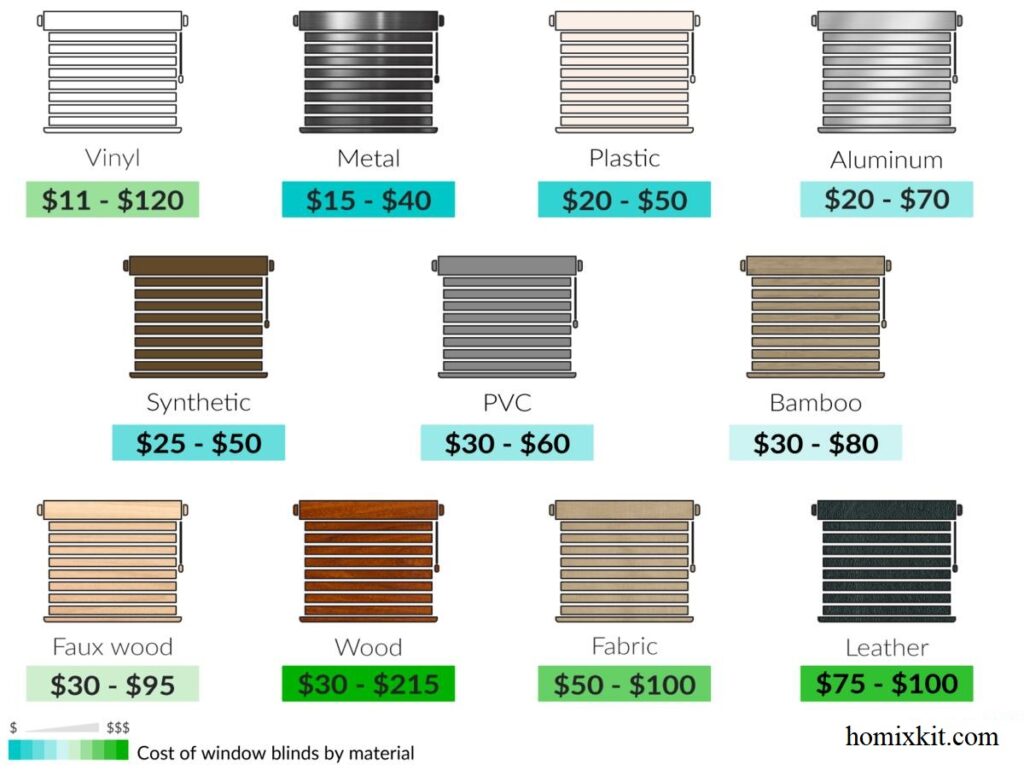
So, how much should you actually expect to spend? In 2026, the average cost of window treatments varies widely depending on style, material, and customization. On average, homeowners spend anywhere between $10 to $1,500 per window. Yes, that’s a big range but it reflects the diversity of options available today.
For a standard home with 8 to 10 windows, total costs can range from $1,200 to $12,000 or more. Budget-friendly options like basic blinds or ready-made curtains sit on the lower end, while custom motorized shades or premium shutters can quickly push you into the higher bracket. It’s similar to buying a car you can go for a basic model or invest in a fully loaded luxury version.
Cost Per Window Breakdown
Let’s break it down further. A single window treatment might cost:
- Basic curtains: $20 – $200
- Mid-range blinds: $50 – $300
- Premium shades: $150 – $800
- Custom shutters: $500 – $1,500+
These numbers give you a realistic idea of what to expect. But remember, pricing also depends on your location, labor costs, and brand preferences. The key is to align your budget with your needs and priorities.
Types of Window Treatments and Their Costs
Curtains and Drapes
Curtains remain one of the most popular and affordable options. In 2026, they come in a variety of fabrics, patterns, and thermal-insulated designs. Basic curtains are inexpensive, but designer drapes made with premium fabrics can cost significantly more. If you’re aiming for elegance without breaking the bank, curtains are a great starting point.
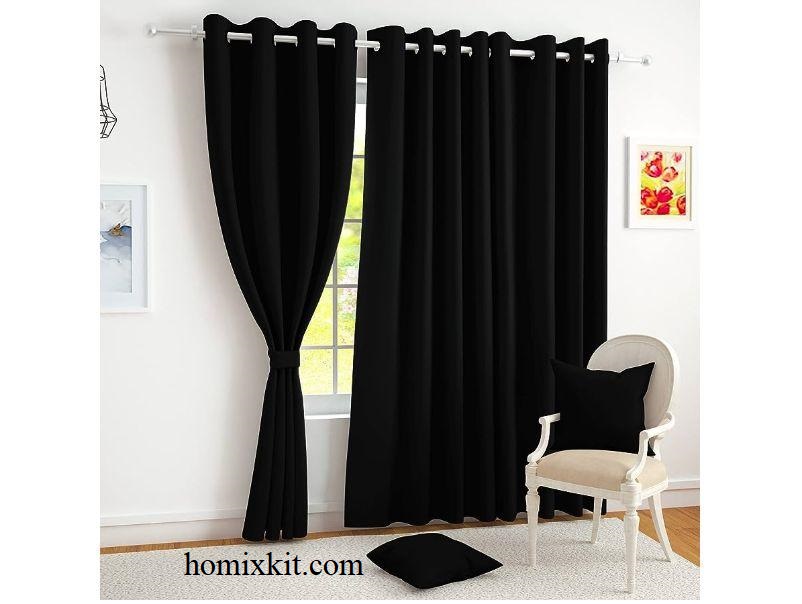
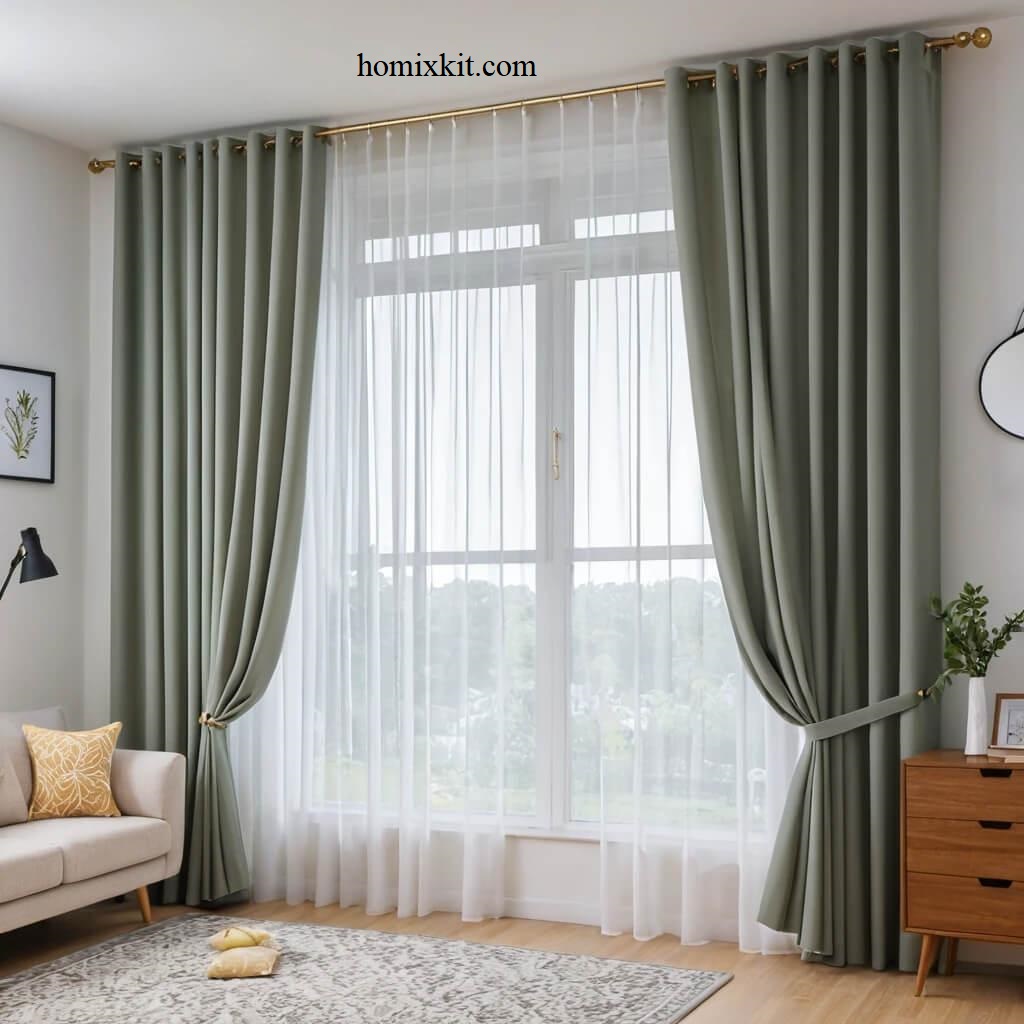
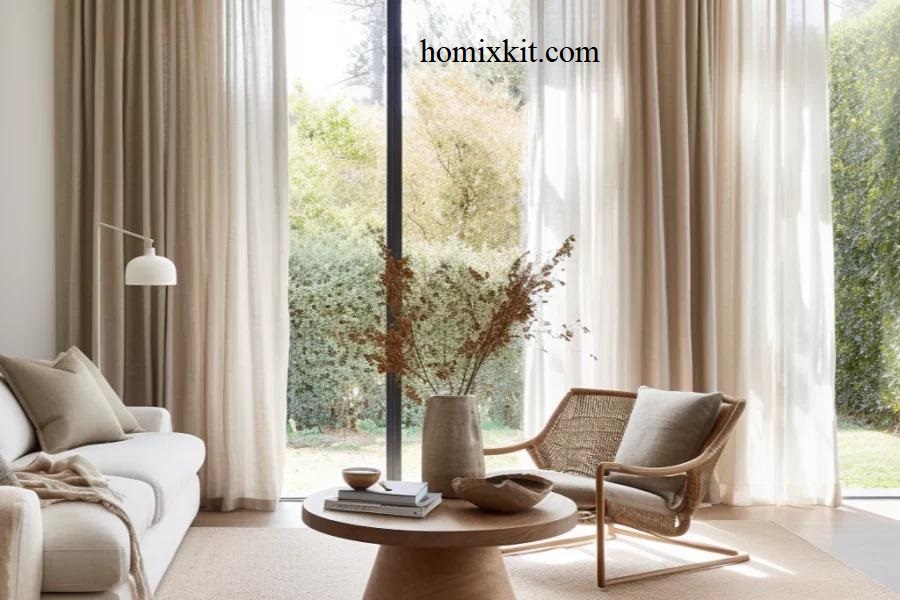
Curtains are the most traditional option but still very popular. In 2026, they come in thermal, blackout, and designer styles.
- Cost: $300 – $1,500 per window
- Budget curtains can be as low as $20–$100
- Custom drapes can go into the thousands
They’re perfect if you want a cozy, soft look. But high-end fabrics can get expensive fast.
Blinds
Blinds are practical, versatile, and widely used. They are available in materials like wood, faux wood, aluminum, and vinyl. Prices vary depending on quality, but blinds generally offer a good balance between cost and functionality. They’re especially popular for offices and modern homes.
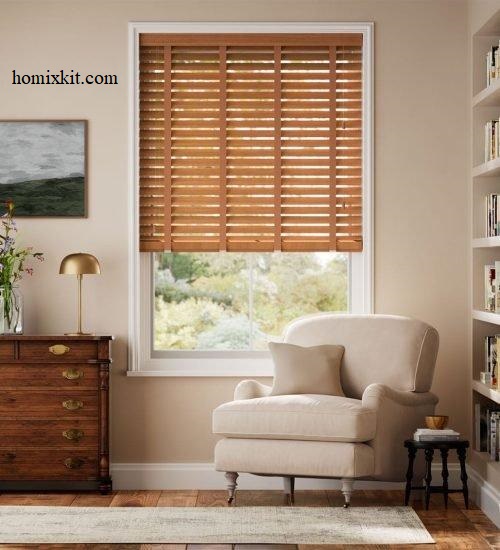
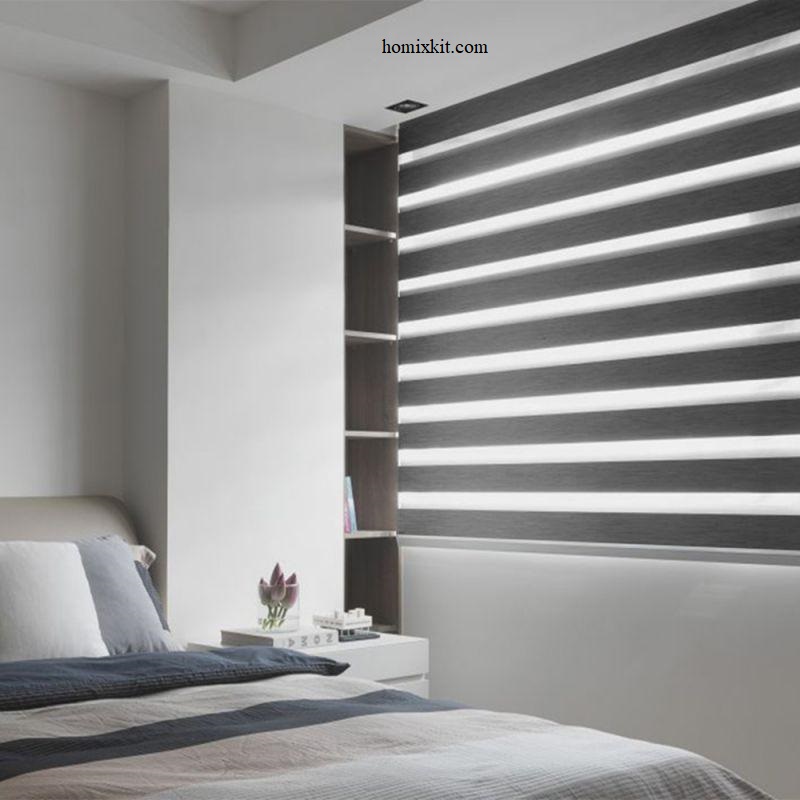
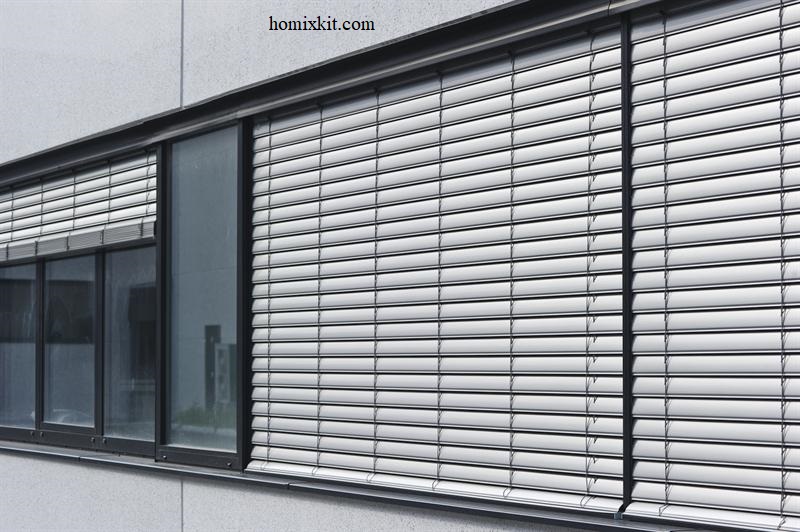
Blinds are one of the most affordable and practical options.
- Cost: $30 – $200 per window
- Vinyl blinds: as low as $15–$45
- Wood blinds: up to $400+
They’re great for privacy and light control, especially in kitchens and offices.
Shades
Shades are a step up in terms of style and functionality. Options like Roman shades, roller shades, and cellular shades provide better insulation and aesthetics. In 2026, many shades come with smart features, allowing remote or app-based control, which naturally increases the price.
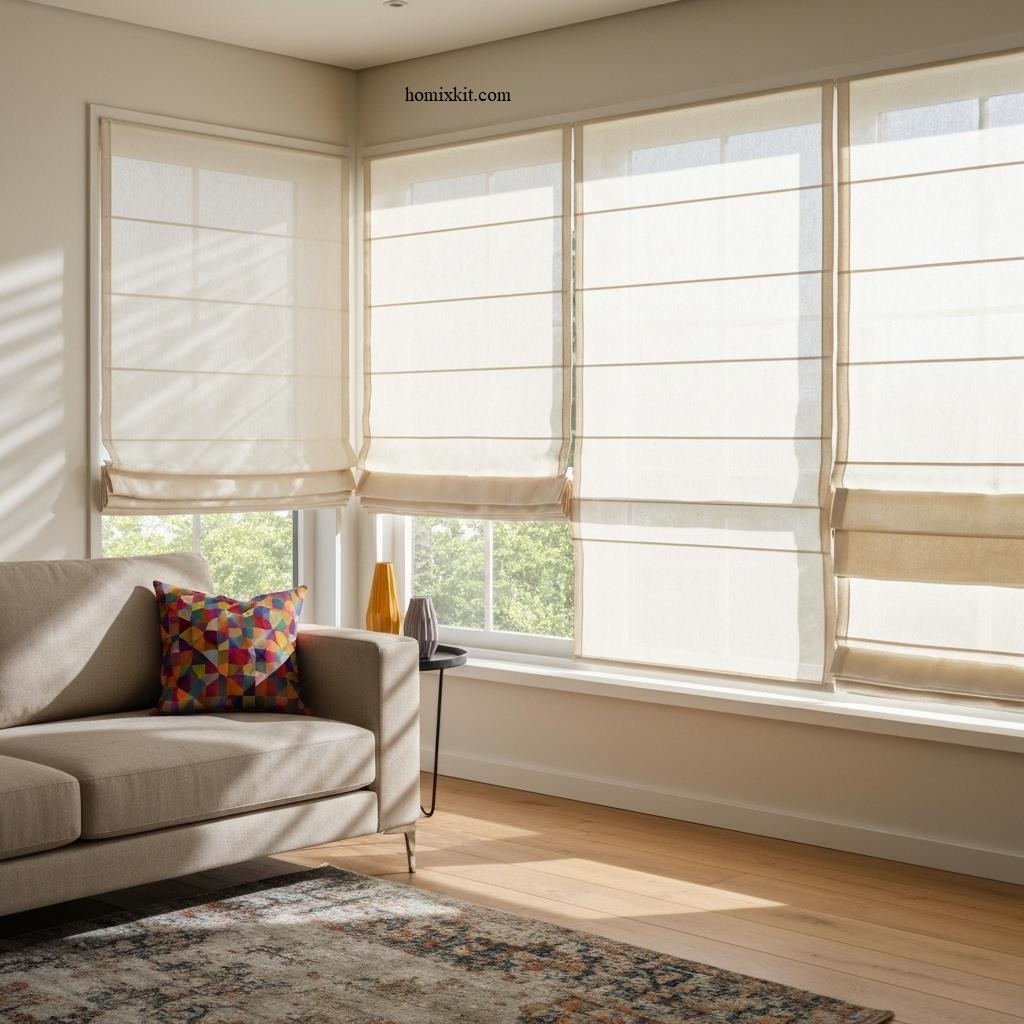
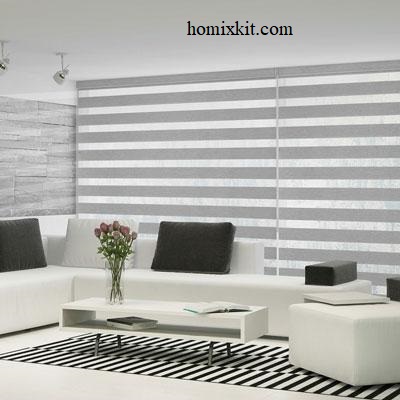
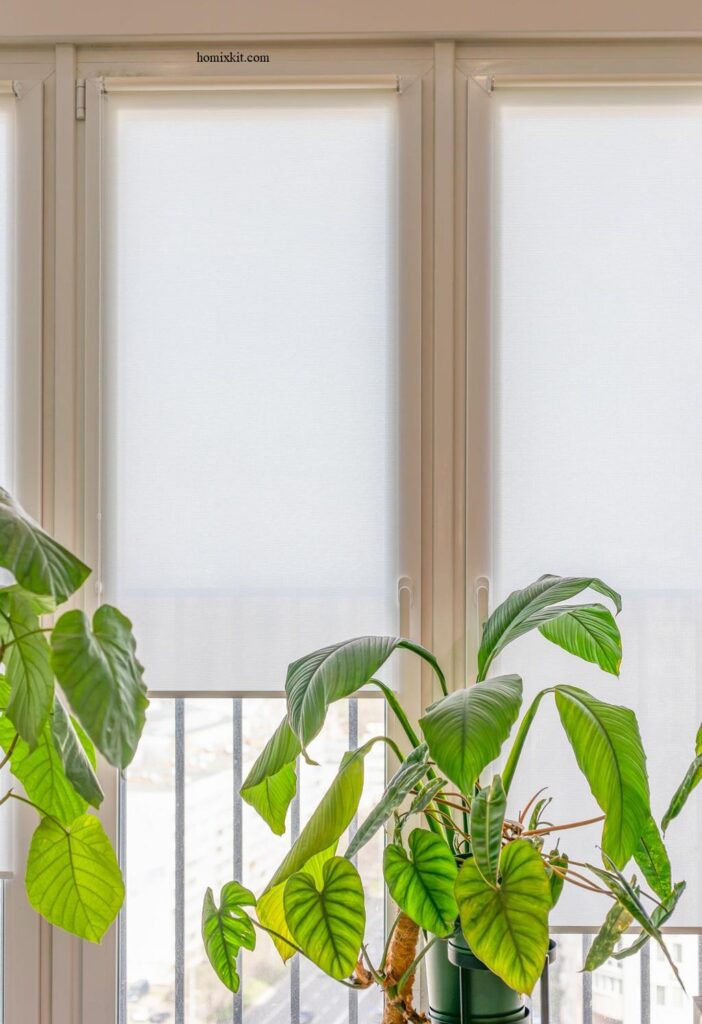
Shades offer a more stylish and modern look compared to blinds.
- Cost: $50 – $600+ per window
- Average installation cost: around $179
They’re ideal if you want both beauty and insulation.
Shutters
Shutters are considered a premium choice. They are durable, stylish, and add significant value to your home. While the upfront cost is high, they often last for decades, making them a long-term investment rather than a short-term expense.
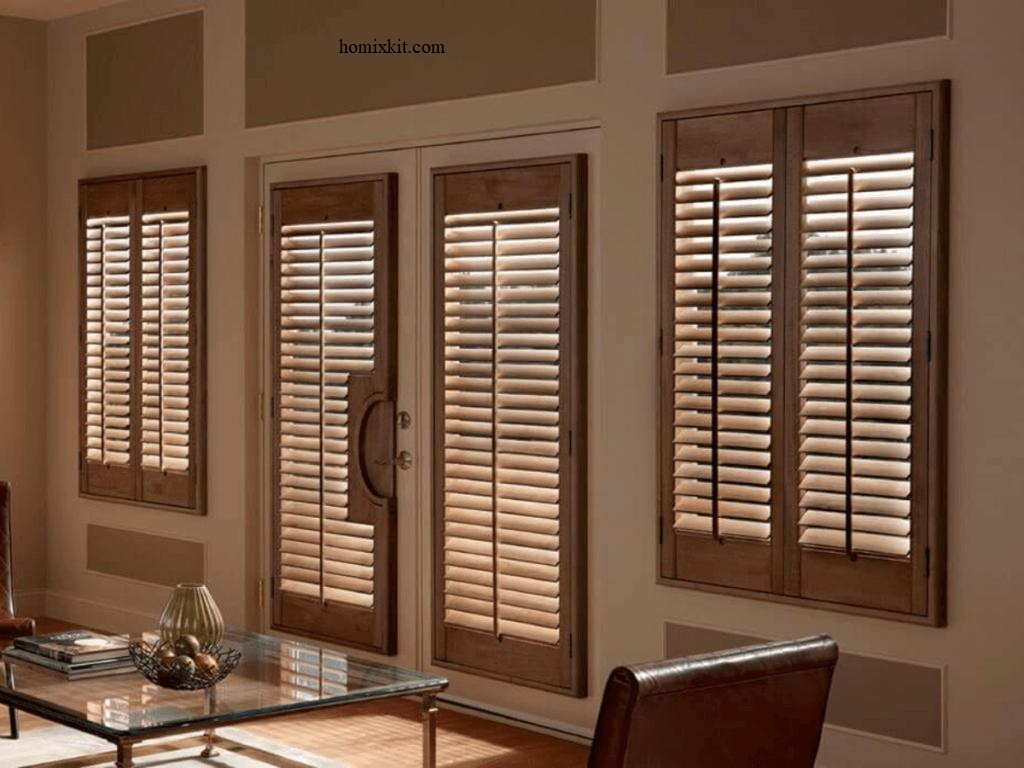
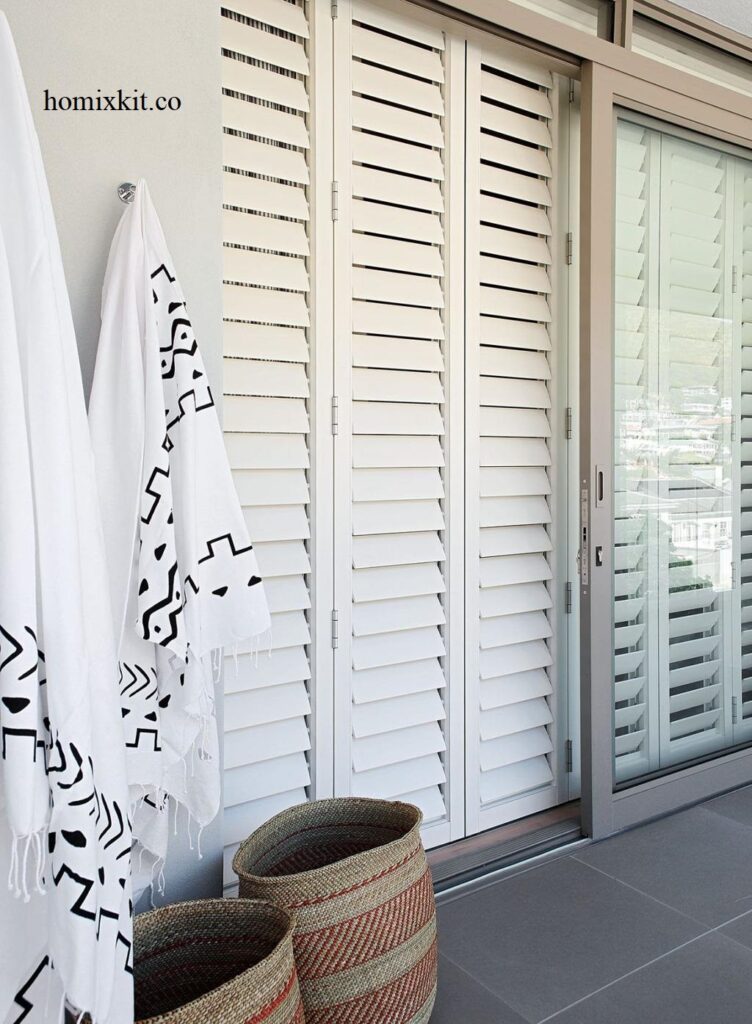
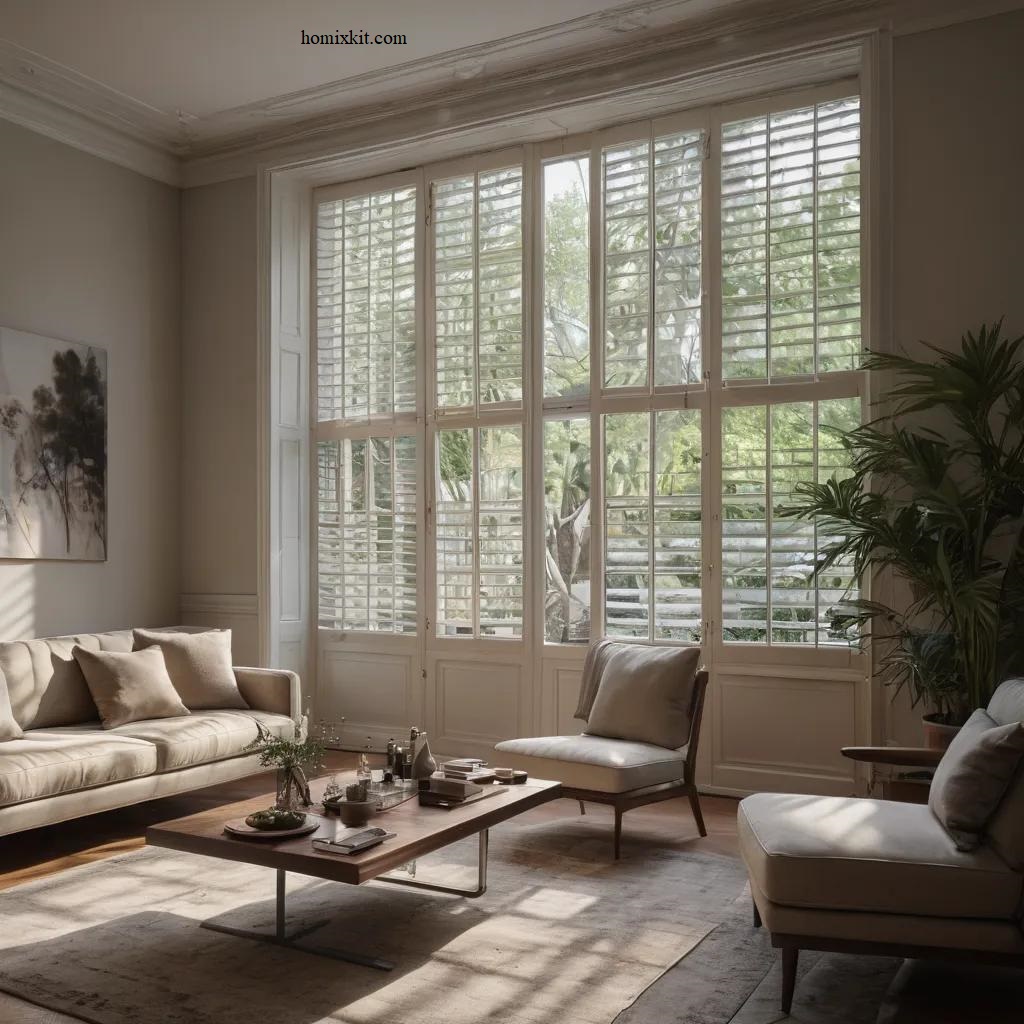
Shutters are the premium, long-term investment option.
- Cost: $150 – $700+ per window
- Custom plantation shutters: up to $600 per window
They last for years and can even increase home value.
Factors That Affect Window Treatment Costs
Material Quality
The material you choose can dramatically impact the price. For example, silk drapes or real wood blinds will cost significantly more than synthetic alternatives. High-quality materials also tend to last longer and perform better, making them worth the investment.
Window Size and Shape
Not all windows are created equal. Large, uniquely shaped, or floor-to-ceiling windows require more material and customization, which increases costs. Standard-sized windows are much more budget-friendly.
Custom vs Ready-Made
Custom window treatments are tailored specifically to your space, offering a perfect fit and unique design. However, they come at a premium price. Ready-made options are more affordable but may not always match your exact requirements.
Smart and Motorized Features
Smart window treatments are one of the biggest trends in 2026. Features like voice control, automation, and app integration add convenience but also increase costs. Expect to pay an additional $200 to $1,000 per window for motorized options.
Installation Costs Explained
DIY vs Professional Installation
Installation costs can either be minimal or significant, depending on your approach. DIY installation is cost-effective but requires time, tools, and basic skills. On the other hand, professional installation ensures a perfect fit and finish, typically costing $50 to $200 per window.
🧰 Installation Costs
- Professional installation: $198 – $528 total
- DIY: Free (but requires tools and skills)
🤖 Motorized / Smart Features
- Add $150 – $800+ per window
- Fully motorized shades: $400 – $1,100+ installed
📐 Custom Sizes
- Bay, arched, or skylight windows can add extra charges
- Larger or unusual windows = higher cost
Hidden Charges to Consider
Many people overlook additional costs like mounting hardware, delivery fees, and customization charges. These small expenses can add up quickly, so it’s important to factor them into your budget from the start.
Budgeting Tips for 2026 Buyers
Cost-Saving Strategies
If you’re working with a limited budget, there are plenty of ways to save money without compromising on style. Consider mixing high-end treatments in key areas (like the living room) with budget options in less visible spaces. Shopping during sales or buying in bulk can also reduce costs significantly.
Where to Invest vs Save
Spend more on areas where you need durability and aesthetics, such as the living room or master bedroom. For spaces like storage rooms or kitchens, simpler and cheaper options will do the job just fine. It’s all about balancing function and design.
Trends Impacting Prices in 2026
Smart Home Integration
Smart homes are no longer a luxury they’re becoming the norm. Window treatments that integrate with home automation systems are in high demand, which has influenced pricing. While they are more expensive upfront, they offer long-term benefits like energy savings and convenience.
Eco-Friendly Materials
Sustainability is another major trend. Eco-friendly window treatments made from bamboo, recycled materials, or organic fabrics are gaining popularity. These options may cost slightly more but appeal to environmentally conscious buyers.
Cost Comparison Table
| Type of Window Treatment | Average Cost per Window | Durability | Style Level |
|---|---|---|---|
| Curtains | $20 – $200 | Medium | High |
| Blinds | $50 – $300 | Medium | Medium |
| Shades | $150 – $800 | High | High |
| Shutters | $500 – $1,500+ | Very High | Premium |
Conclusion
Planning your budget for window treatments in 2026 doesn’t have to feel overwhelming. Once you understand the different options, pricing ranges, and factors that influence costs, everything becomes much clearer. Whether you’re going for a simple, budget-friendly setup or investing in high-end smart solutions, there’s something available for every price range. The key is to focus on your priorities style, functionality, or technology and allocate your budget accordingly.
Window treatments are more than just a finishing touch; they’re a long-term investment in comfort and aesthetics. Spending wisely now can save you money and effort in the future. So take your time, explore your options, and choose solutions that truly fit your lifestyle and space.
FAQs
1. What is the cheapest window treatment option in 2026?
Basic curtains and vinyl blinds are the most affordable options, starting as low as $20 per window.
2. Are smart window treatments worth the cost?
Yes, they offer convenience, energy savings, and modern functionality, making them a valuable long-term investment.
3. How much should I budget for a full house?
For an average home, expect to spend between $1,200 and $12,000 depending on quality and features.
4. Do window treatments increase home value?
Yes, especially high-quality options like shutters, which can enhance both aesthetics and resale value.
5. Can I install window treatments myself?
Yes, many options are DIY-friendly, but professional installation ensures better results for complex designs.