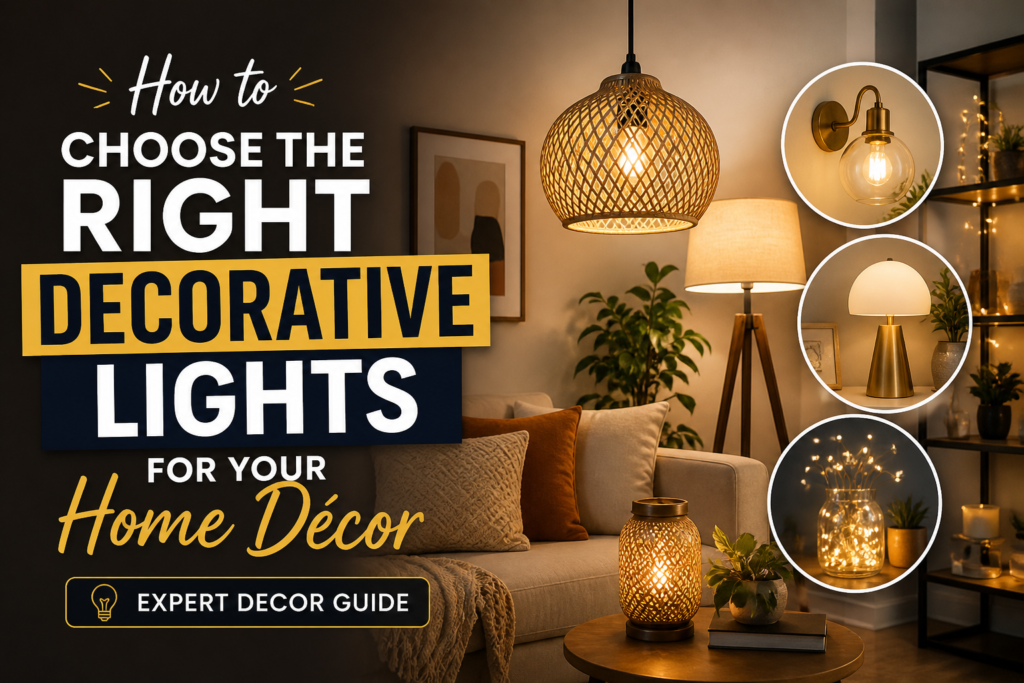

Choosing decorative lighting isn’t just about brightness it’s about mood, style, and function. The right lights can make your home feel cozy, elegant, or modern, while the wrong ones can ruin the entire look. This expert guide will help you pick the perfect decorative lights for every space.
Why Decorative Lighting Matters in Modern Homes
Lighting as Mood & Design Element
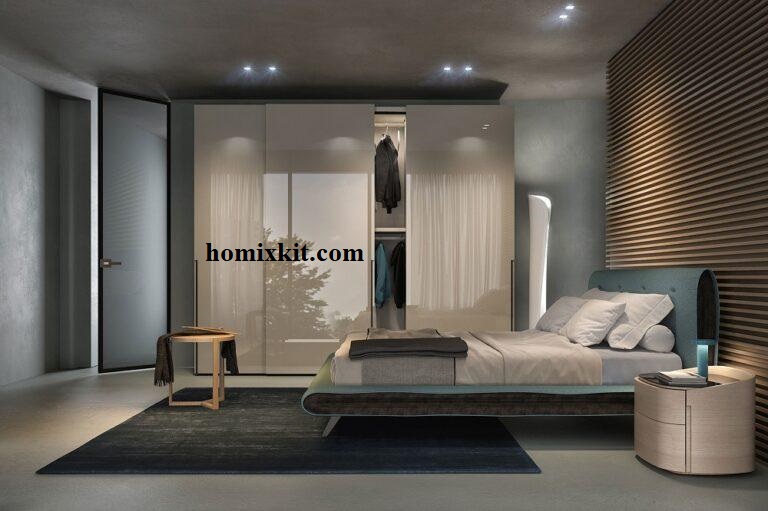
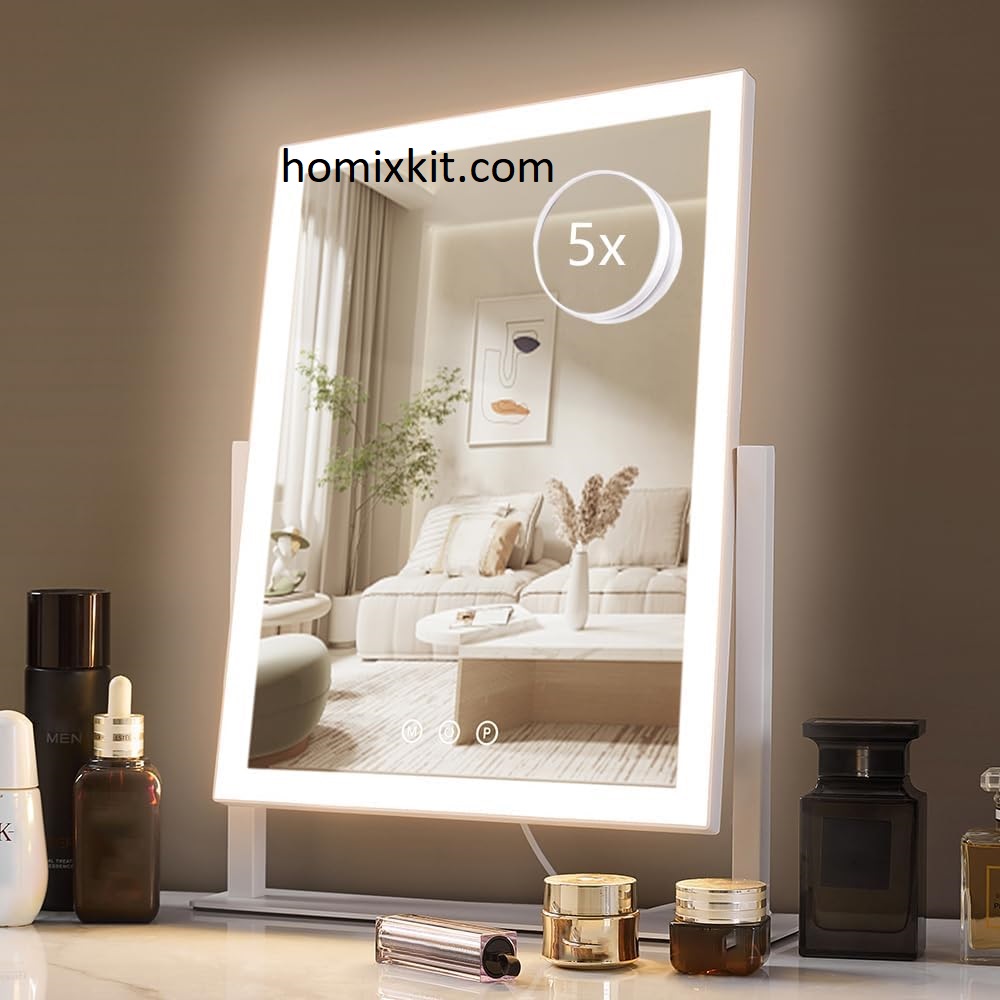
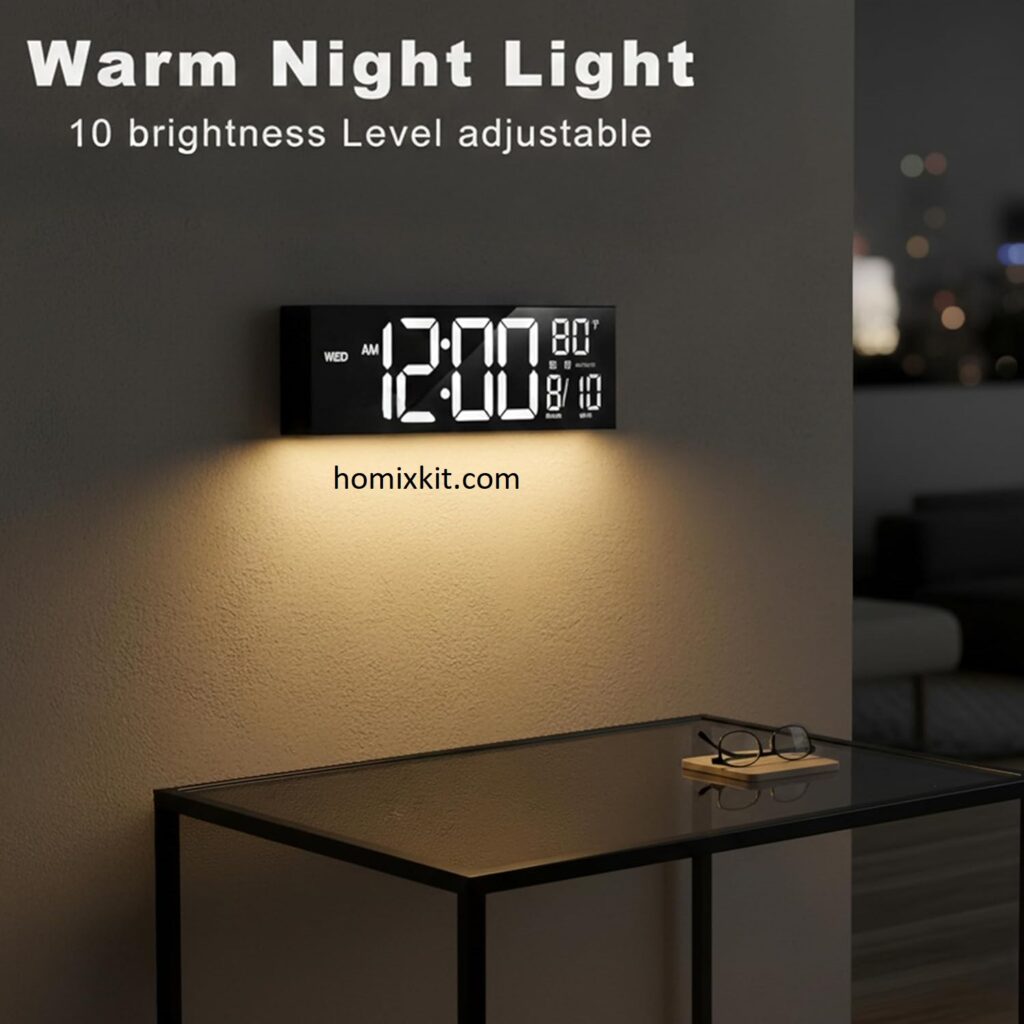
Lighting isn’t just about switching on a bulb anymore it’s about creating an experience. In 2026, decorative lighting has become one of the most powerful tools in interior design. You can completely change the look and feel of a room just by adjusting the lighting. Think about it like this: the same furniture can feel cold and dull under harsh white light, but warm, soft lighting instantly makes it feel inviting and luxurious.
Designers now treat lighting as a core design element, not an afterthought. It defines mood, highlights features, and adds personality to your space. Whether you want a cozy living room, a relaxing bedroom, or an energizing workspace, the right lighting makes all the difference. It’s like adding the perfect filter to your home everything just looks better.
The Rise of Statement Lighting in 2026
Another big shift? Lighting fixtures themselves are becoming décor pieces. Chandeliers, pendant lights, and designer lamps are no longer just functional they’re the centerpiece of the room.
In modern homes, a bold lighting fixture can replace traditional wall art. A sculptural chandelier or a unique pendant light instantly draws attention and adds a designer touch. This trend is especially popular in living rooms and dining areas, where lighting becomes a conversation starter.
Understanding the 3 Types of Lighting
Ambient Lighting (Base Layer)
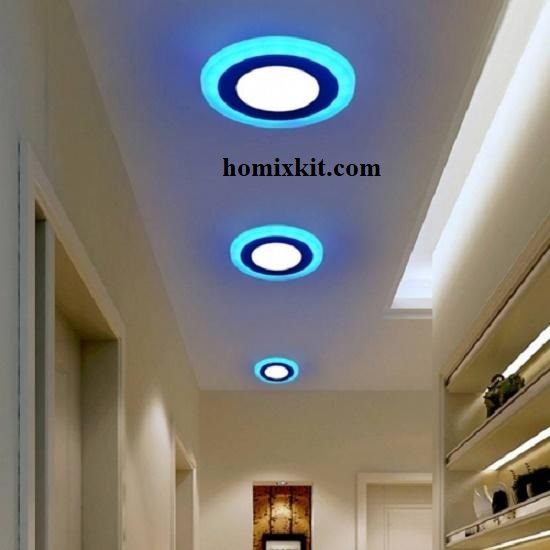
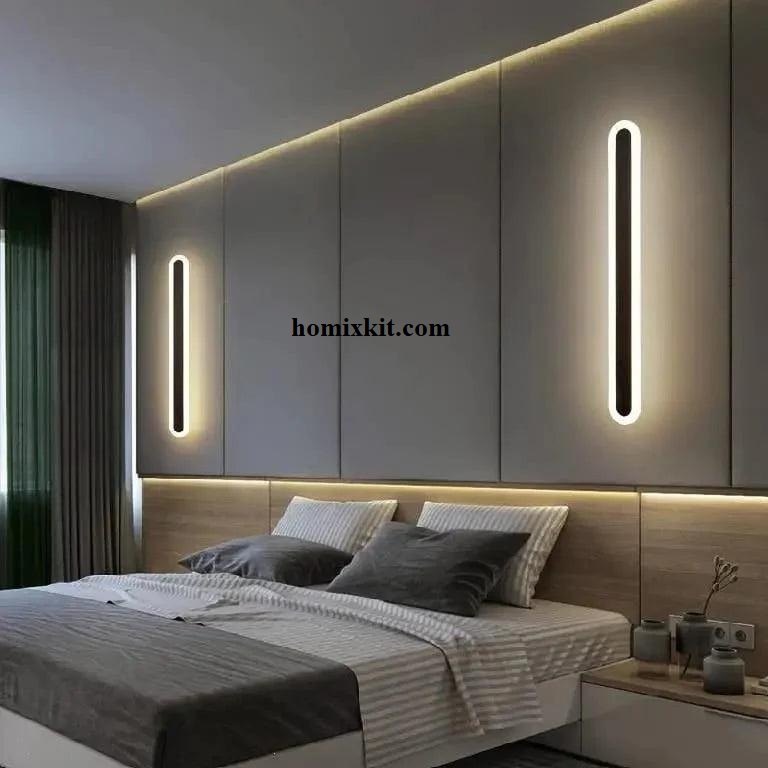
Ambient lighting is your main source of light. It provides overall brightness and ensures you can move around comfortably. Ceiling lights, chandeliers, and recessed lighting usually fall into this category.
Without good ambient lighting, your room will feel uneven and poorly lit. It’s the foundation of your lighting setup.
Task Lighting (Functional Layer)
Task lighting focuses on specific activities like reading, cooking, or working. Desk lamps, under-cabinet lights, and bedside lamps are common examples.
This type of lighting improves visibility and reduces eye strain. It’s essential for productivity and comfort.
Accent Lighting (Decorative Layer)
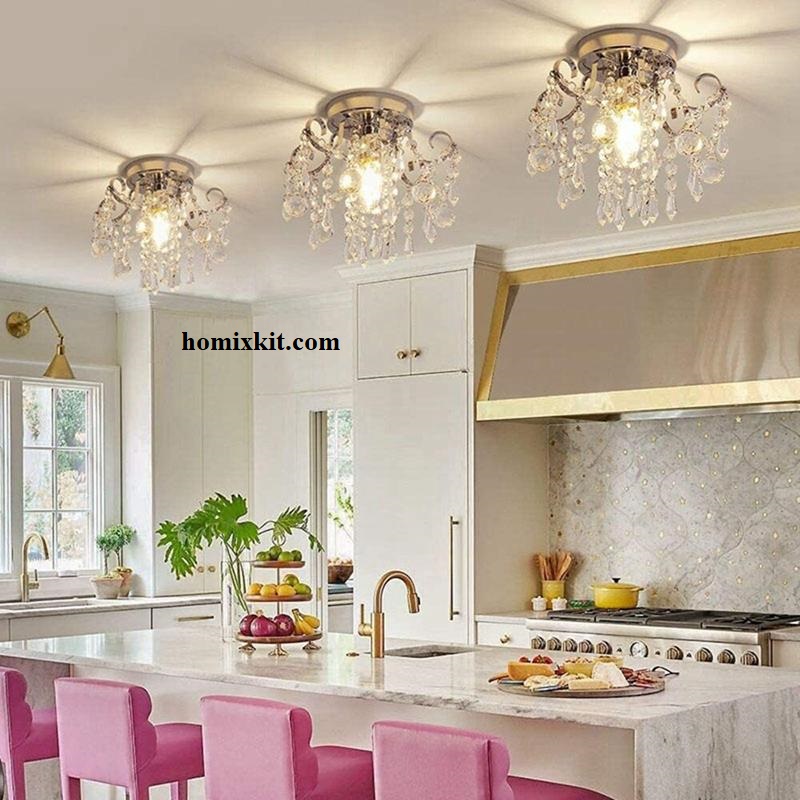
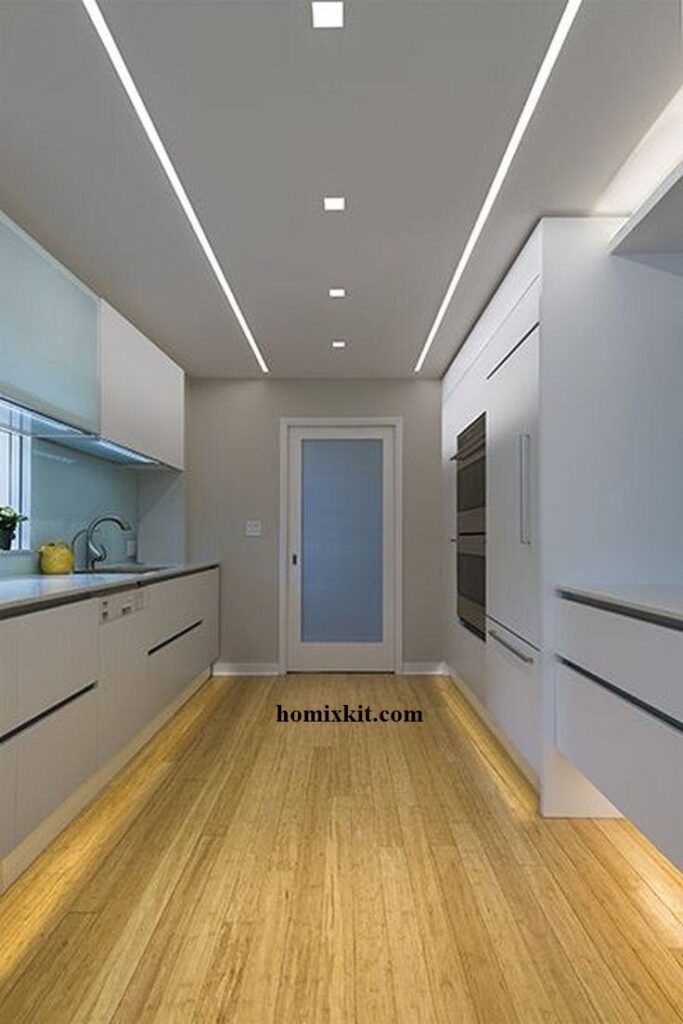
Accent lighting is where the magic happens. It highlights artwork, architectural features, or décor elements. LED strips, spotlights, and wall sconces are commonly used.
This layer adds depth and drama, making your space look professionally designed.
Step 1 – Analyze Your Space Like a Designer
Room Size & Ceiling Height
Before choosing any decorative light, take a step back and analyze your space. Designers always consider scale and proportion first.
- Large rooms need bigger fixtures
- Small rooms require compact lighting
- High ceilings can handle chandeliers
- Low ceilings work better with flush lights
Choosing the wrong size can throw off the entire balance of your room.
Natural Light & Layout
Natural light plays a huge role in how your lighting looks. Rooms with large windows need less artificial lighting during the day, while darker spaces require brighter fixtures.
Also, consider how your room is arranged. Where do you sit? Where do you work? Your lighting should support these activities.
Step 2 – Choose the Right Light Fixtures
Chandeliers & Pendant Lights
Chandeliers and pendant lights are perfect for making a statement. They work best in:
- Living rooms
- Dining areas
- Entryways
These fixtures add elegance and instantly elevate your space.
Wall Lights, Floor Lamps & Table Lamps
These are your supporting lights. They add warmth, depth, and flexibility to your lighting setup. You can move them around and adjust your lighting easily.
Step 3 – Pick the Right Light Color & Brightness
Warm vs Cool Lighting
Light color (temperature) affects how your room feels:
- Warm light (2700K–3000K) → cozy and relaxing
- Cool light (4000K–5000K) → bright and energizing
Use warm lighting in bedrooms and living rooms, and cooler lighting in kitchens and workspaces.
Lumens & Brightness Guide
Brightness is measured in lumens. More lumens = brighter light. The key is balance you don’t want your room too dim or too harsh.
Step 4 – Match Lighting with Interior Style
Modern, Minimal & Luxury Styles
Your lighting should match your overall décor style:
- Modern → sleek, simple designs
- Minimal → clean and understated
- Luxury → bold, elegant fixtures
Consistency creates harmony in your space.
Mixing Styles Without Clutter
Mixing styles can work but only if done carefully. Stick to a common color palette or material to keep everything cohesive.
Step 5 – Placement & Positioning Tips
Height & Spacing Rules

Placement is just as important as the fixture itself. A beautiful light in the wrong spot won’t look good.
General rules:
- Hang lights at eye level
- Keep spacing consistent
- Avoid overcrowding
Creating Focal Points
Use lighting to draw attention to key areas. A statement light above a dining table or a spotlight on artwork can create a strong visual impact.
Top Decorative Lighting Trends in 2026
Smart Lighting & LED Designs
Smart lighting lets you control brightness and color using your phone. LED lights are energy-efficient and long-lasting, making them a top choice.
Warm Minimalism & Organic Fixtures
Natural materials like wood, rattan, and fabric are trending. These create a warm, cozy aesthetic that feels modern yet inviting.
Common Mistakes to Avoid
Many people rely on one light source, which creates flat lighting. Others choose fixtures that are too small or too large. Ignoring color temperature is another common mistake that can ruin the mood of a room.
- Using only one light source (no layering)
- Choosing the wrong color temperature
- Over-lighting small rooms
- Ignoring placement and shadows
Conclusion
Choosing the right decorative lights isn’t complicated but it does require intention. When you understand lighting layers, choose the right fixtures, and place them correctly, your home transforms instantly. In 2026, lighting is more than function it’s style, mood, and personality combined. Get it right, and your home won’t just look good it will feel amazing.
FAQs
1. What type of lighting is best for home décor?
A mix of ambient, task, and accent lighting works best.
2. How do I choose the right light color?
Use warm light for relaxing spaces and cool light for work areas.
3. Are decorative lights worth it?
Yes, they enhance both function and style.
4. What is the biggest lighting trend in 2026?
Smart lighting and statement fixtures are leading trends.
5. How can I make my lighting look expensive?
Use layered lighting, high-quality fixtures, and warm tones.