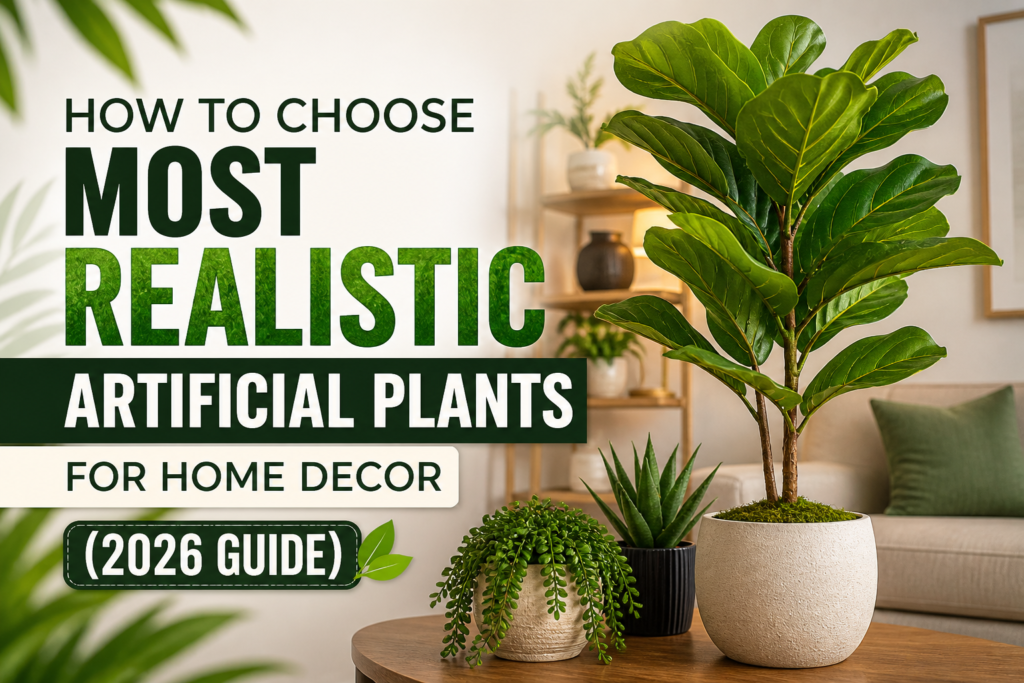

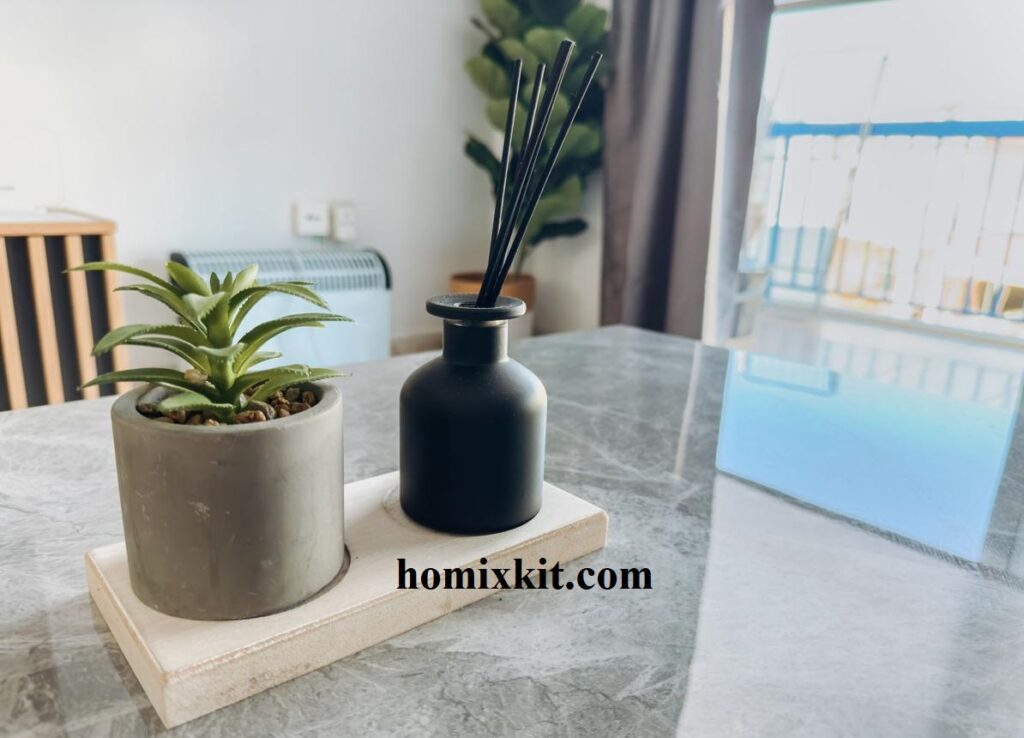
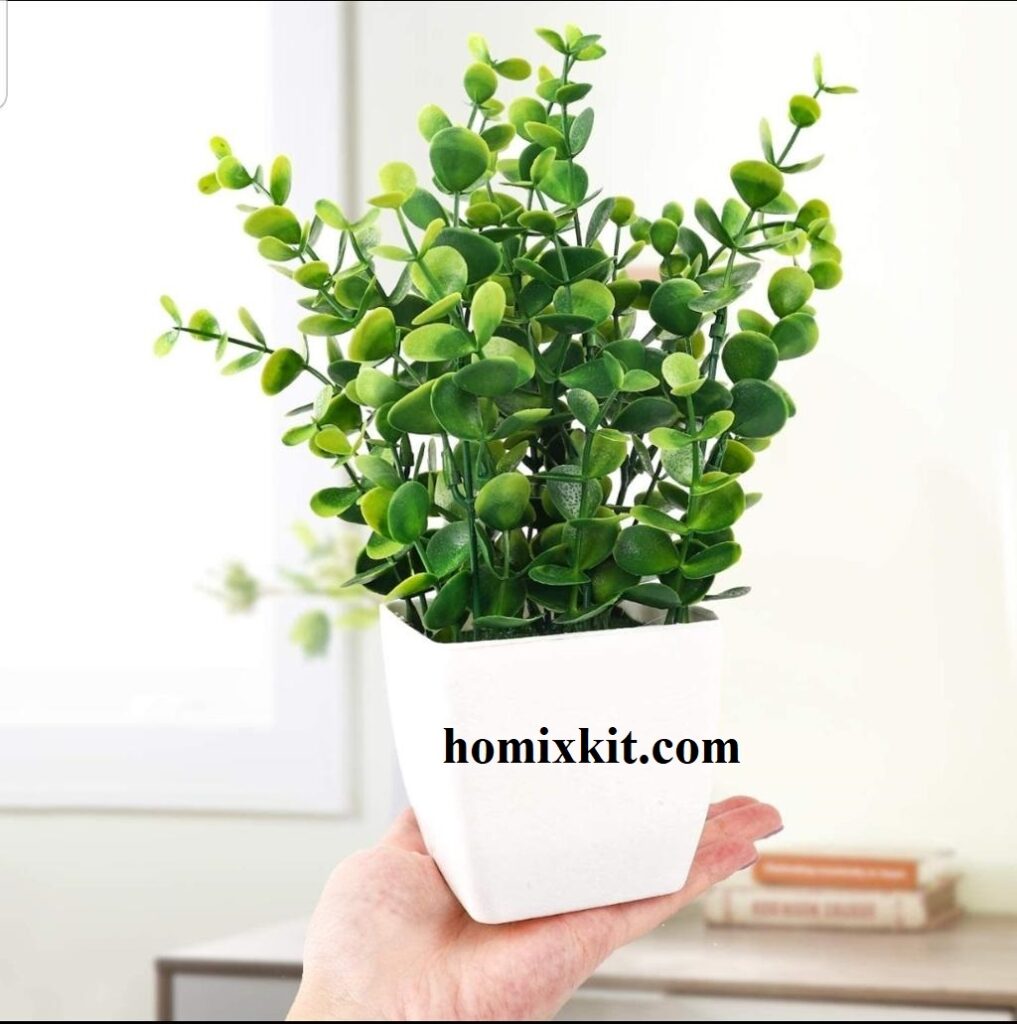
When selecting artificial plants for home decor in 2026, focus on achieving realism. High-quality materials like silk, polyester, and PVC are used to mimic the texture of real leaves and flowers, offering a more natural look and feel. The color of the plant is also essential look for variations in shades of green and natural imperfections, such as subtle discoloration or vein patterns, to enhance authenticity. Pay attention to the size and shape of the plant to ensure it fits well in your space; a large faux tree might overwhelm a small room, while tiny plants may get lost in bigger areas. The pot or base is equally important; choose decorative containers that complement the plant’s style, like a rustic terracotta pot for a cactus or a sleek ceramic one for a fern. Additionally, modern artificial plants are low-maintenance, requiring minimal care. Many are designed to be easily cleaned, with removable leaves for dusting. By combining the right materials, color, size, and container, you can create a lifelike and hassle-free addition to your home decor.
Why Artificial Plants Are Trending in 2026
The Shift Toward Low-Maintenance Living
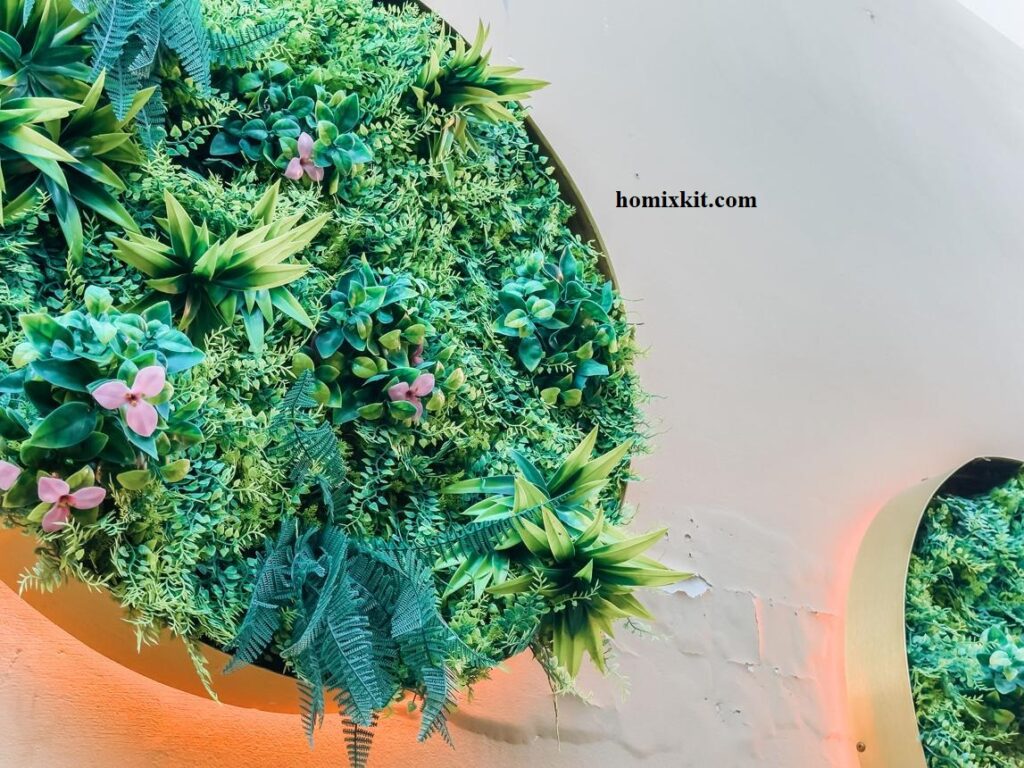
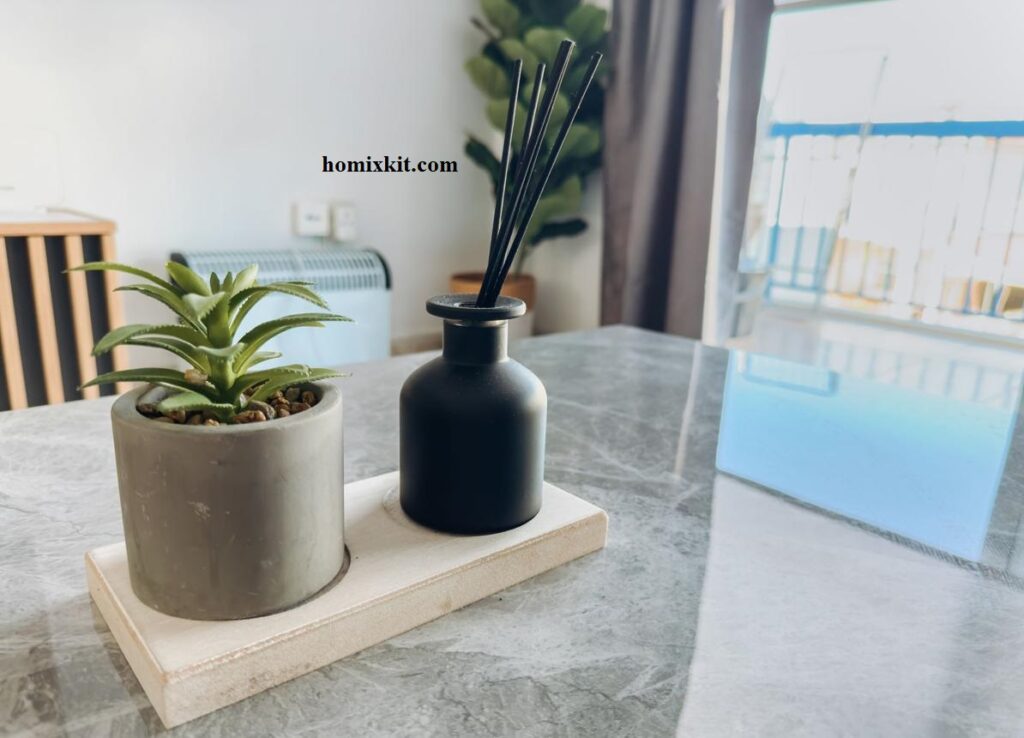
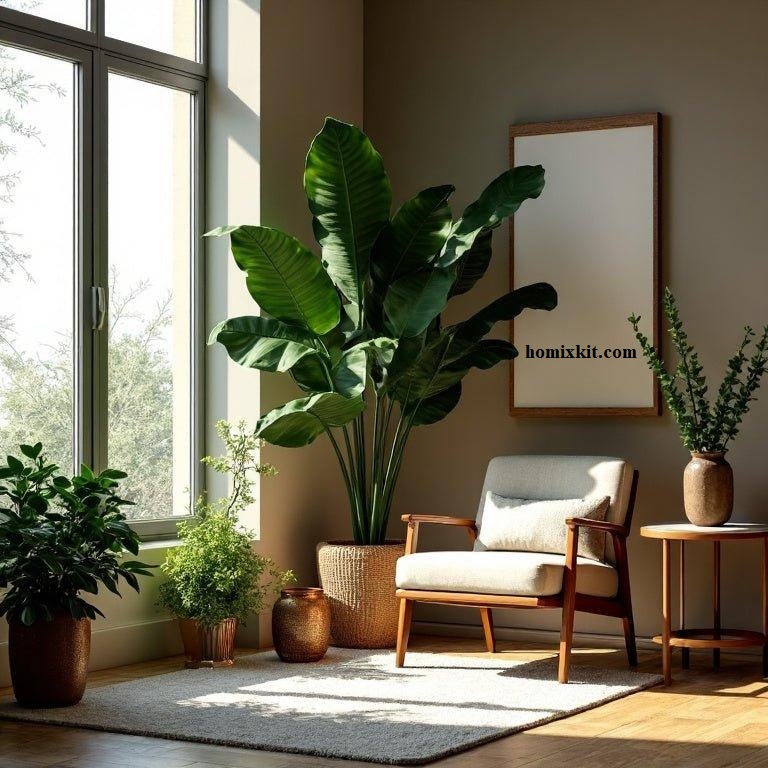
In 2026, the way people decorate their homes has taken a practical turn. Busy lifestyles, smaller living spaces, and unpredictable routines have pushed homeowners toward solutions that look good without demanding constant attention. This is where artificial plants shine. Unlike real plants, they don’t require watering, sunlight, or careful monitoring. You can place them anywhere from dark corners to air-conditioned rooms and they’ll still look fresh every single day.
Think about it: how many times have you bought a beautiful plant only to watch it slowly fade away because life got too hectic? Artificial plants remove that stress completely. They offer the same calming visual effect of greenery without the responsibility. It’s like having nature on your terms.
Another reason behind this trend is cost efficiency. While high-quality artificial plants may seem expensive initially, they last for years without additional care expenses. No fertilizers, no replacement costs, and no time investment. That’s why interior designers now consider them a smart, long-term decor solution rather than a compromise.
Advances in Artificial Plant Technology
Artificial plants today are nothing like the plastic-looking decor pieces from the past. Technology has transformed them into highly realistic replicas that can easily fool the eye. Manufacturers now use silk, latex, polyethylene, and real-touch materials to mimic the texture of real leaves and stems.
Modern artificial plants even replicate imperfections slight color fading, uneven edges, and natural leaf curves. These details make them look authentic rather than “too perfect,” which is often a giveaway of fake plants.
Some high-end artificial plants also feature 3D printing techniques and hand-painted finishes, giving them depth and realism that was unimaginable a decade ago. In fact, many interior designers now mix artificial and real plants in the same space and most people can’t tell the difference.
What Makes Artificial Plants Look Real
Material Quality and Texture
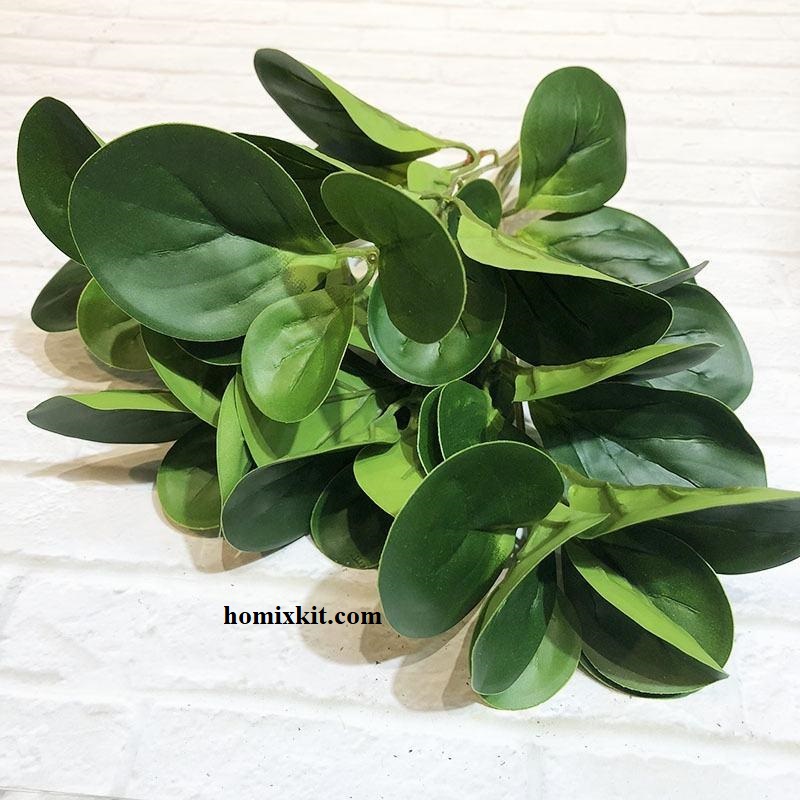
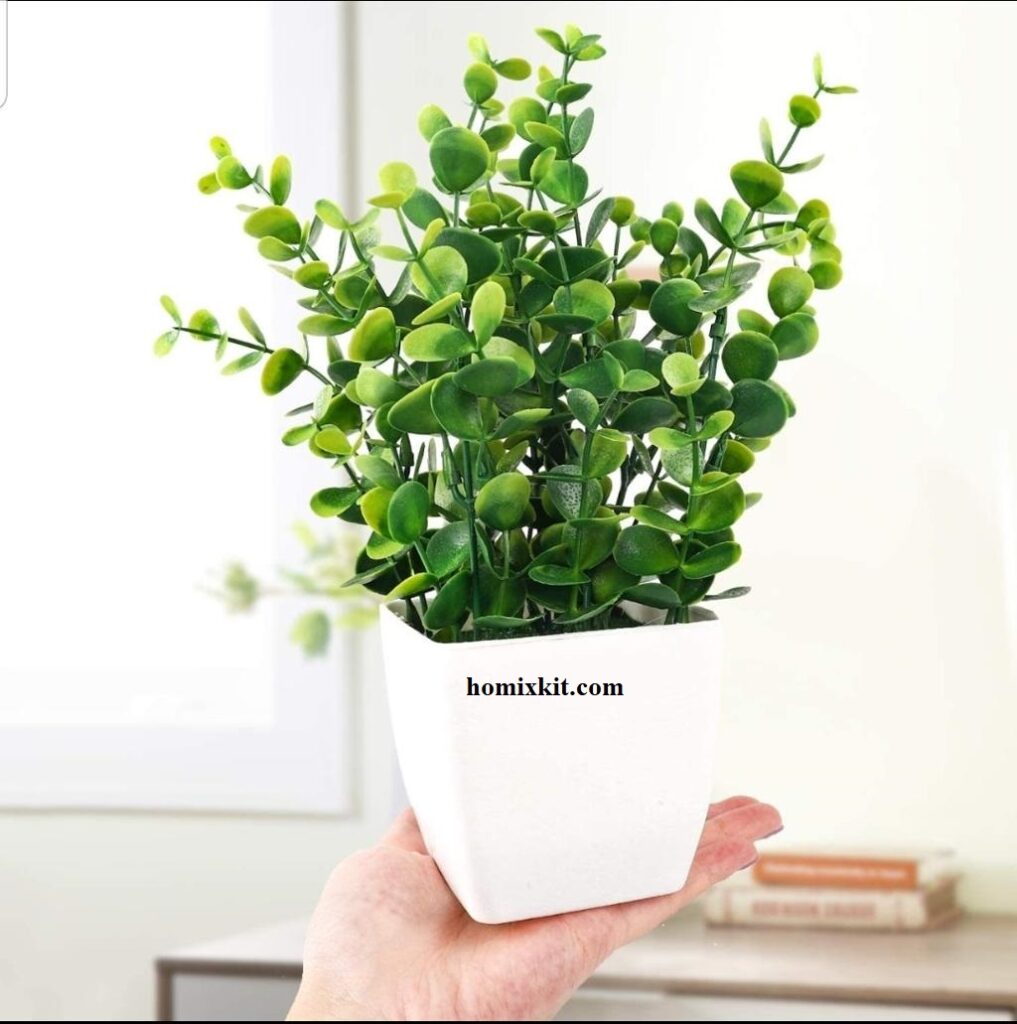
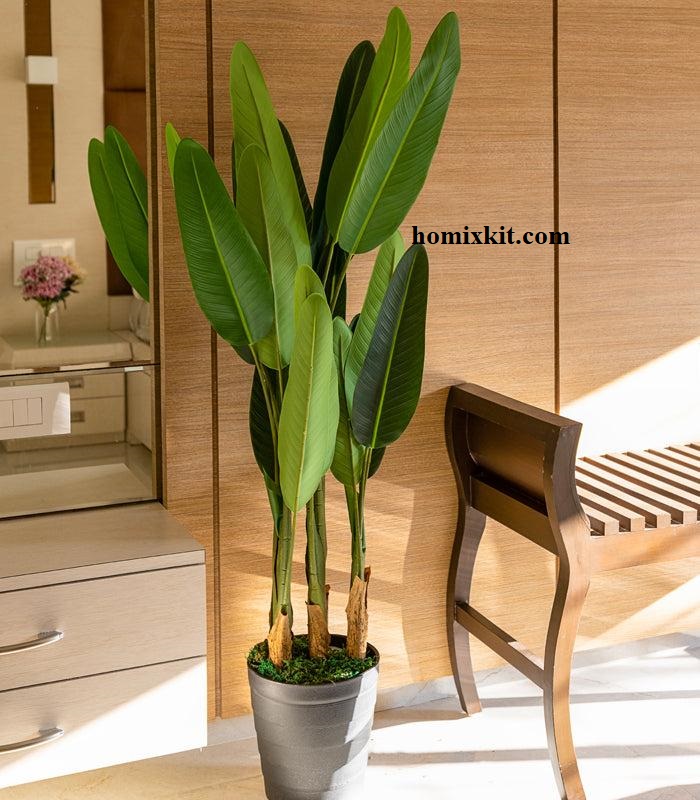
The first thing you should look at when choosing an artificial plant is the material. Cheap plastic plants tend to have a shiny, unnatural finish that immediately reveals their artificial nature. On the other hand, high-quality materials like silk and latex provide a soft, matte texture that closely resembles real foliage.
When you touch a premium artificial plant, it should feel slightly flexible and organic not stiff or brittle. Real leaves aren’t perfect, and neither should artificial ones be. The closer the material mimics nature, the more convincing the plant will look in your home.
Color Variation and Imperfections
One of the biggest mistakes people make is choosing plants that are too “perfect.” Real plants have variations in color some leaves are darker, some lighter, and some may even have tiny spots or fading edges. These imperfections are what make them believable.
When shopping for artificial plants, look for those with multiple shades of green, subtle discoloration, and realistic veins. If every leaf looks identical, the plant will look fake, no matter how expensive it is.
Natural Shape and Growth Patterns
A realistic artificial plant should not look symmetrical or overly structured. In nature, plants grow in unpredictable ways. Leaves bend in different directions, stems vary in length, and the overall shape feels slightly irregular.
Before placing your artificial plant, take a moment to adjust the leaves and stems. Most high-quality options are designed to be flexible, allowing you to create a more natural appearance.
Types of Artificial Plants for Home Decor
Artificial Indoor Plants
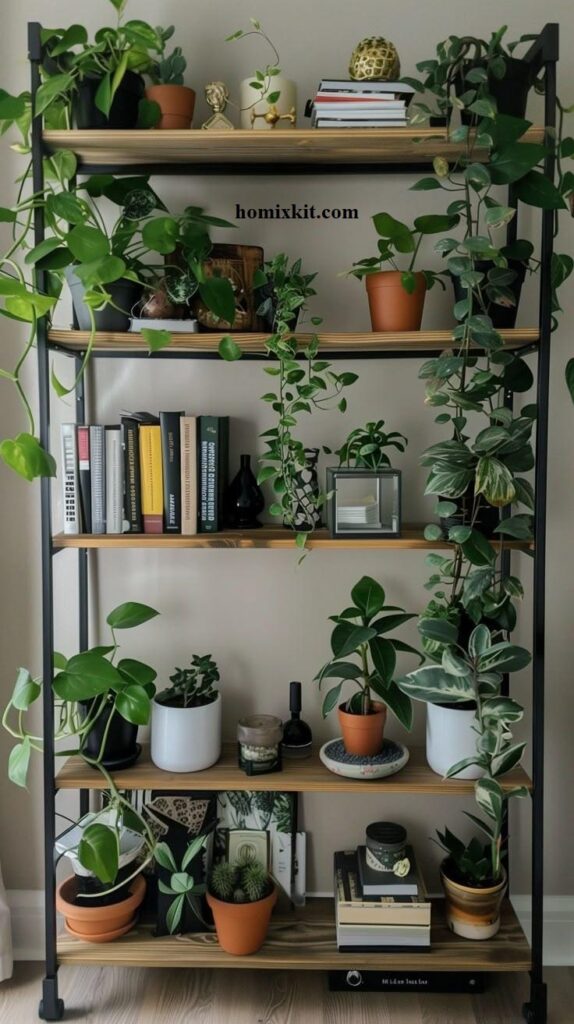
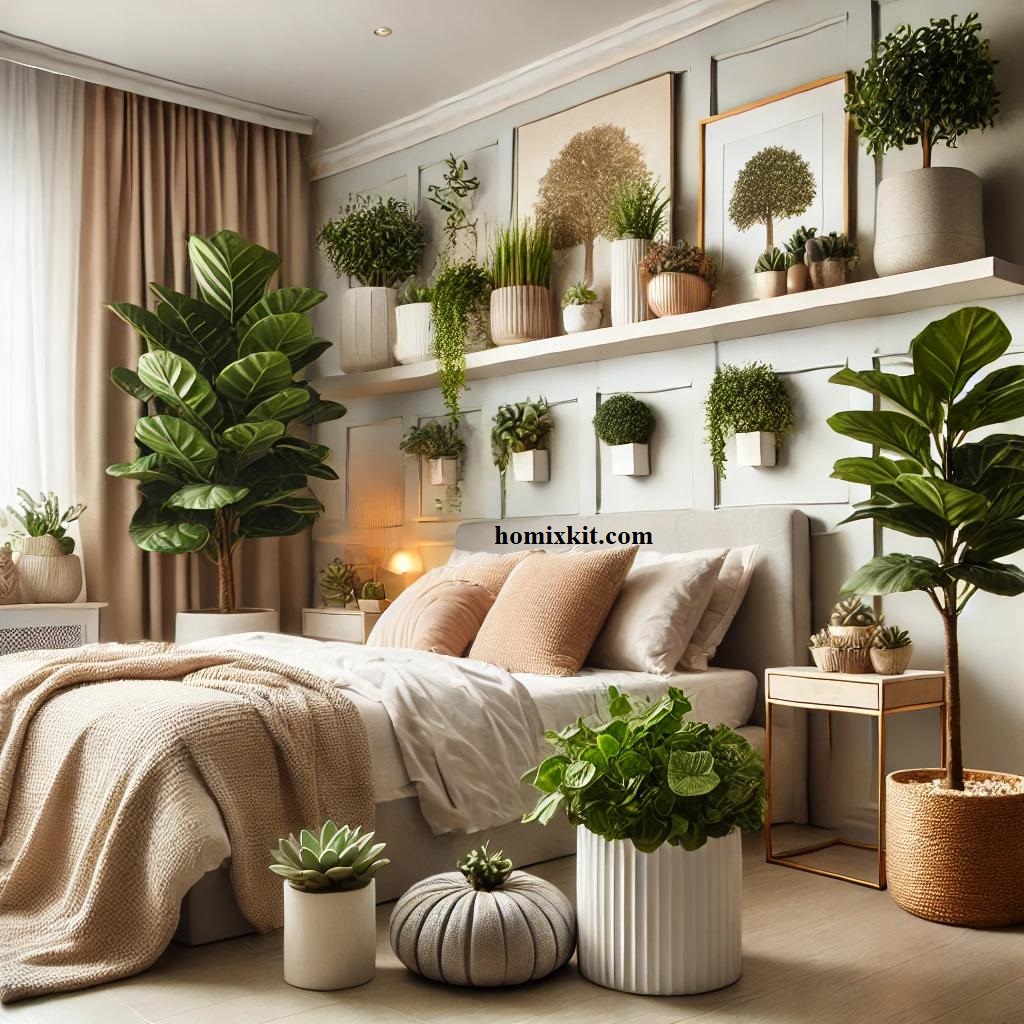
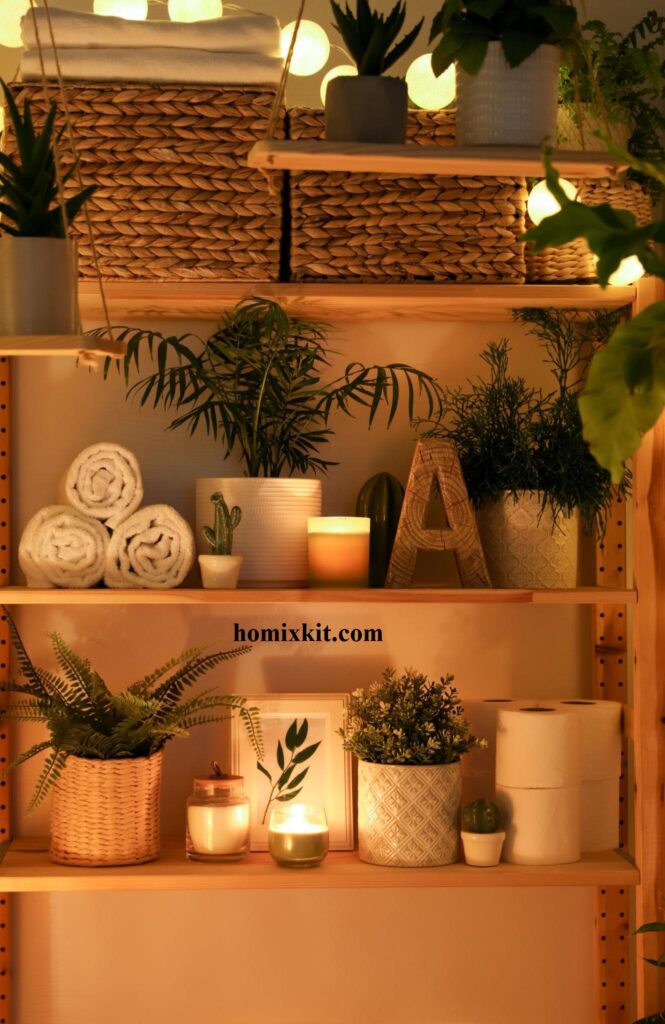
Indoor artificial plants are designed to enhance your living spaces without worrying about sunlight or humidity. Popular choices include fiddle leaf figs, snake plants, pothos, and ferns. These plants are ideal for apartments, offices, and rooms with limited natural light.
They work especially well in corners, shelves, and tabletops where real plants might struggle to survive. Plus, they add a consistent aesthetic appeal throughout the year, regardless of seasonal changes.
Artificial Outdoor Plants
Outdoor artificial plants are built to withstand environmental conditions like sunlight, dust, and moisture. These are perfect for balconies, patios, and entryways where maintaining real plants can be challenging.
UV-Resistant Options
UV-resistant artificial plants are a must for outdoor use. They are specially treated to prevent fading caused by sunlight exposure. Without UV protection, artificial plants can lose their color quickly, making them look dull and unrealistic.
Best Artificial Plants That Look Real in 2026
Artificial Fiddle Leaf Fig
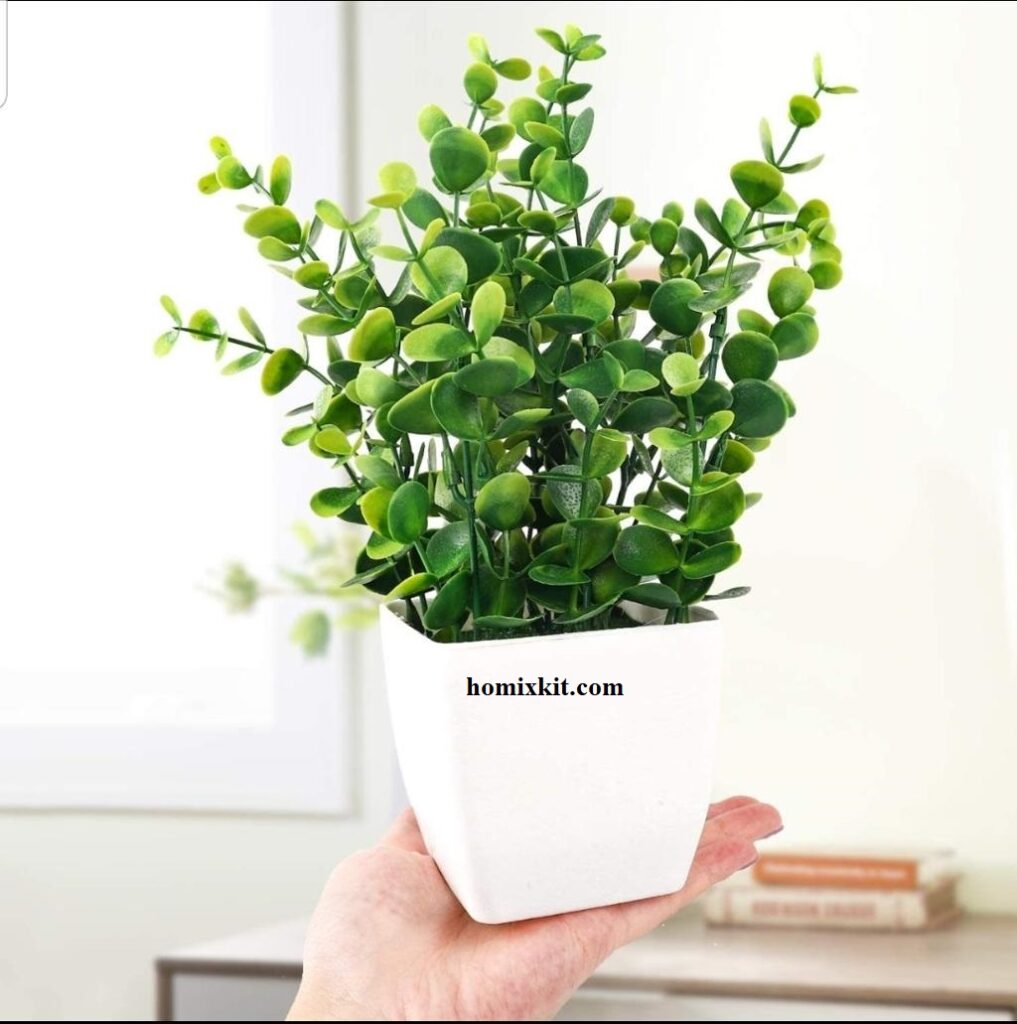
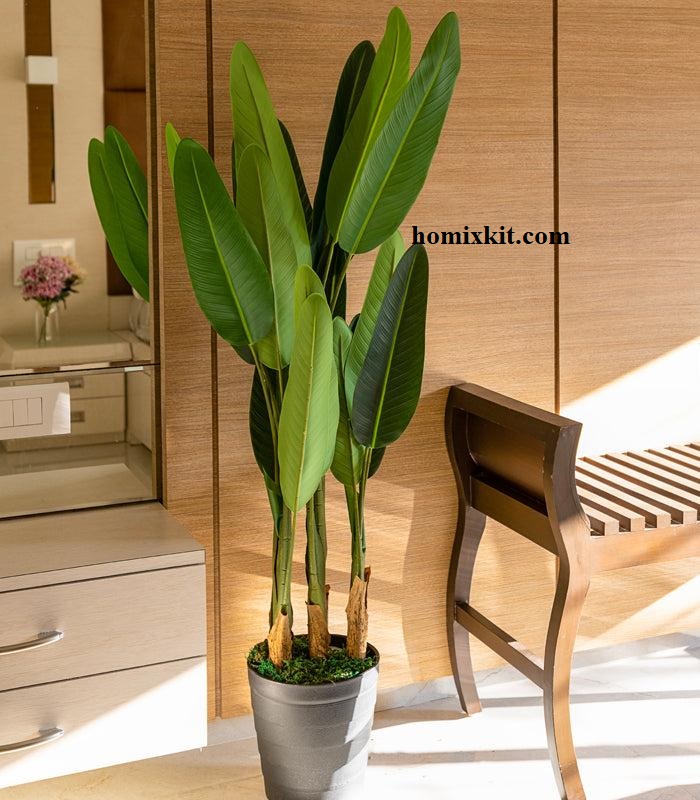
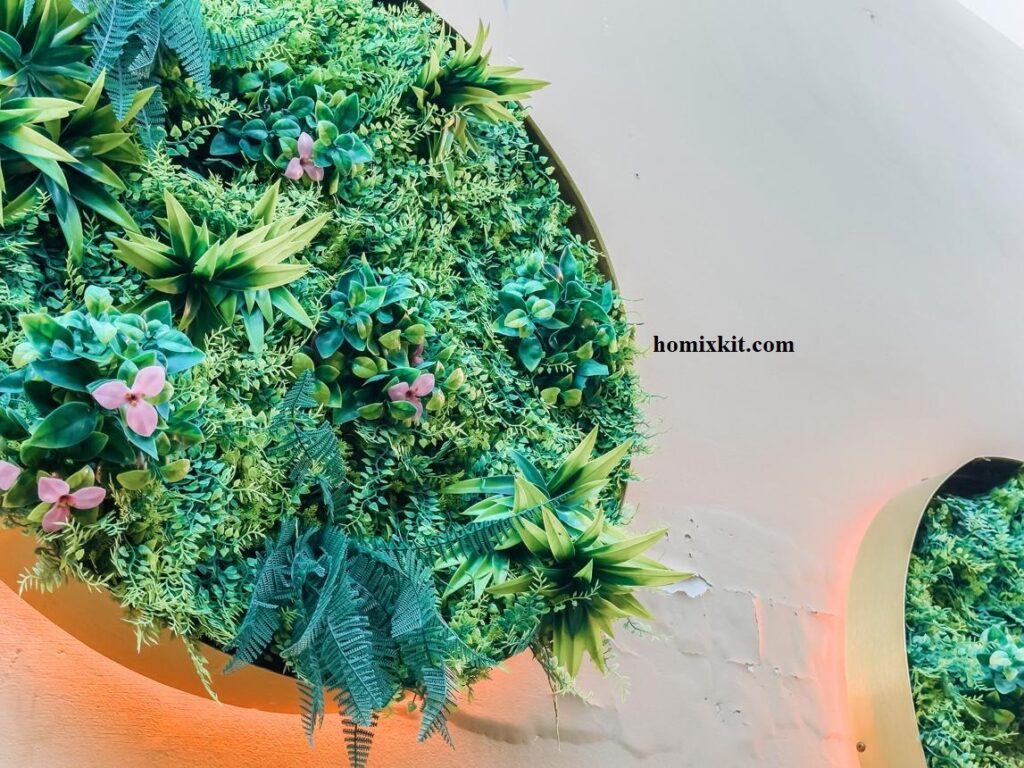
The fiddle leaf fig remains one of the most popular artificial plants in 2026. Its large, glossy leaves make it a statement piece in any room. A high-quality version will feature thick leaves with visible veins and slight color variations.
Artificial Monstera
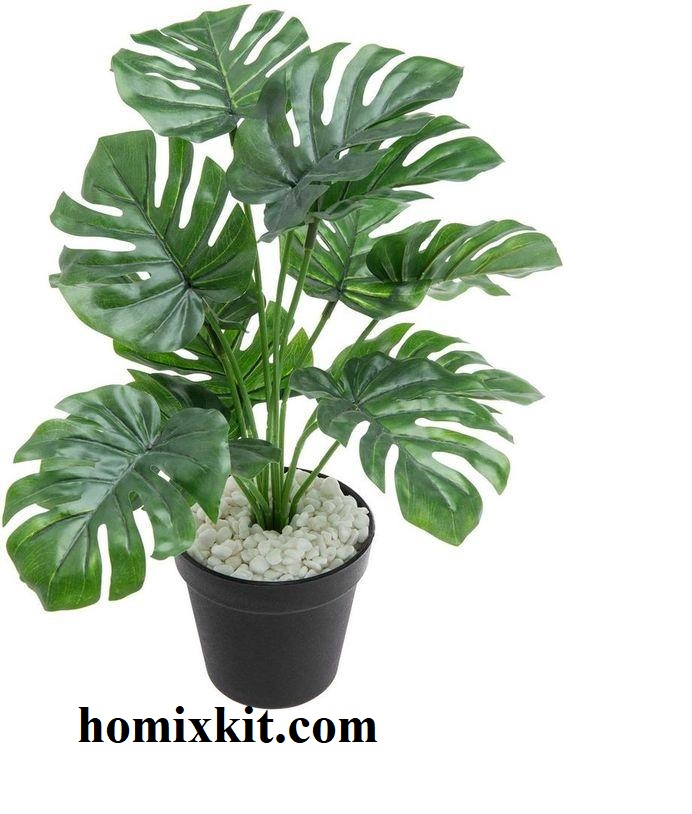
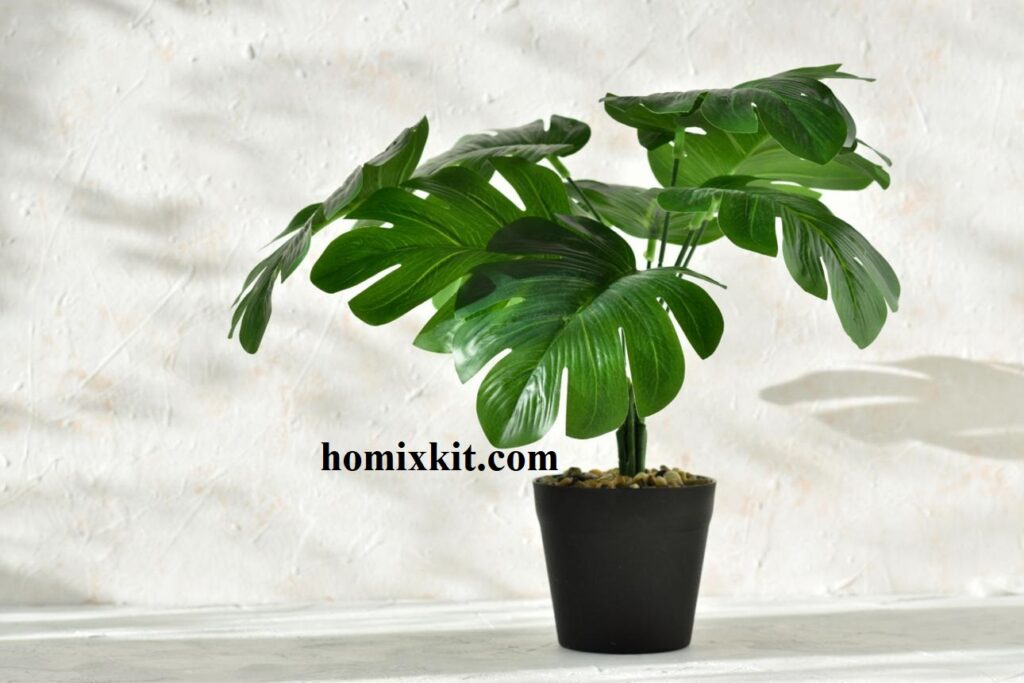
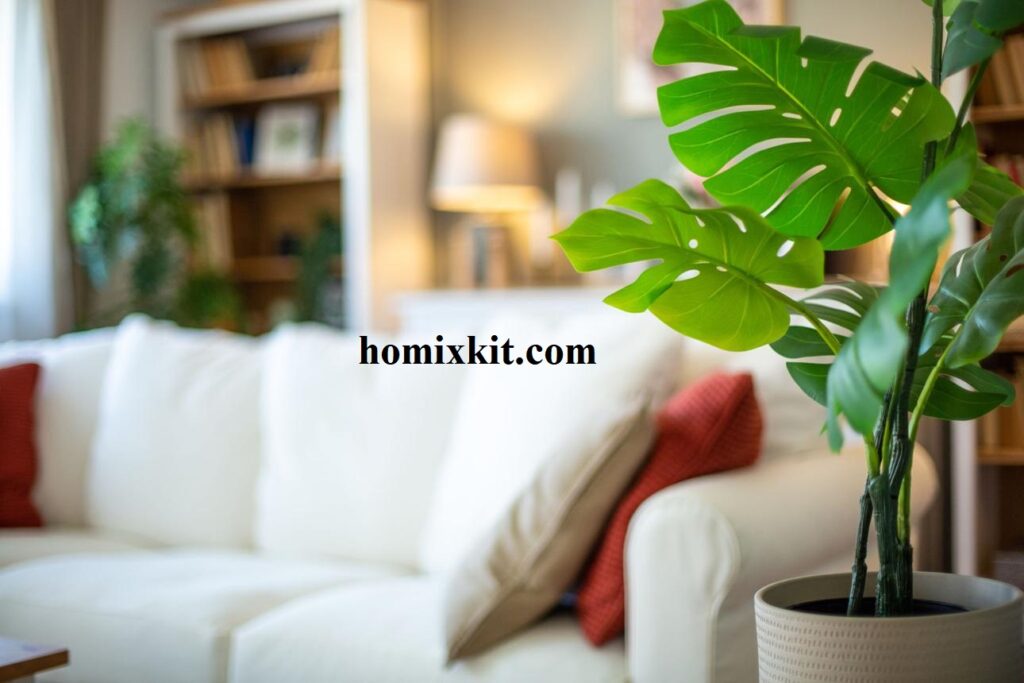
Monstera plants are known for their unique split leaves, which add a tropical vibe to interiors. Artificial versions are especially popular because real monsteras require specific care to thrive.
Artificial Snake Plant
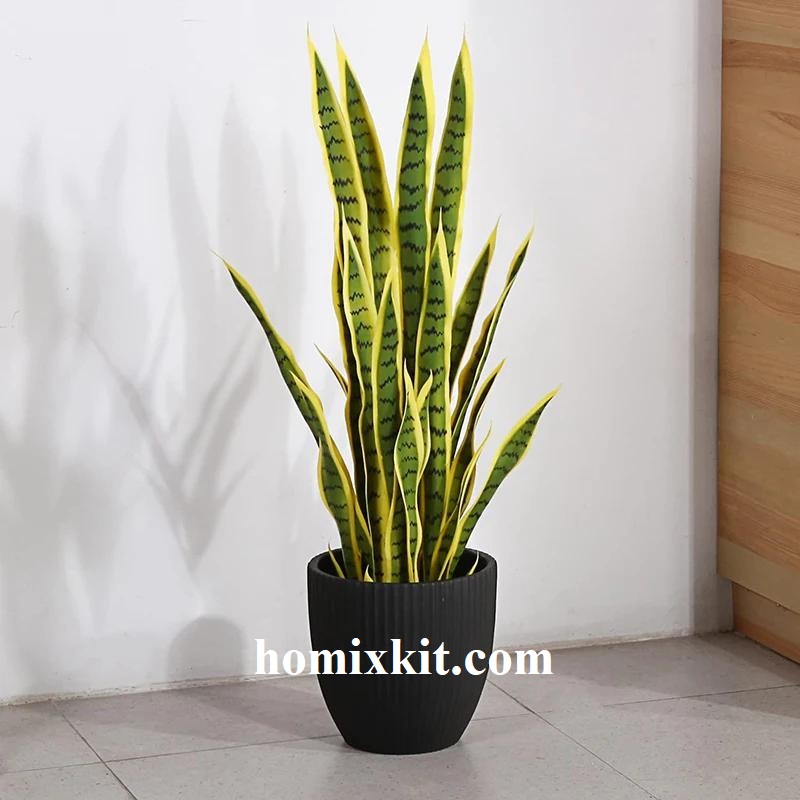
Snake plants are perfect for minimalist decor. Their upright structure makes them ideal for small spaces, desks, and corners. Artificial versions maintain their sharp, clean look without any maintenance.
How to Choose the Right Artificial Plant for Your Space
Matching Plant Size to Room Size
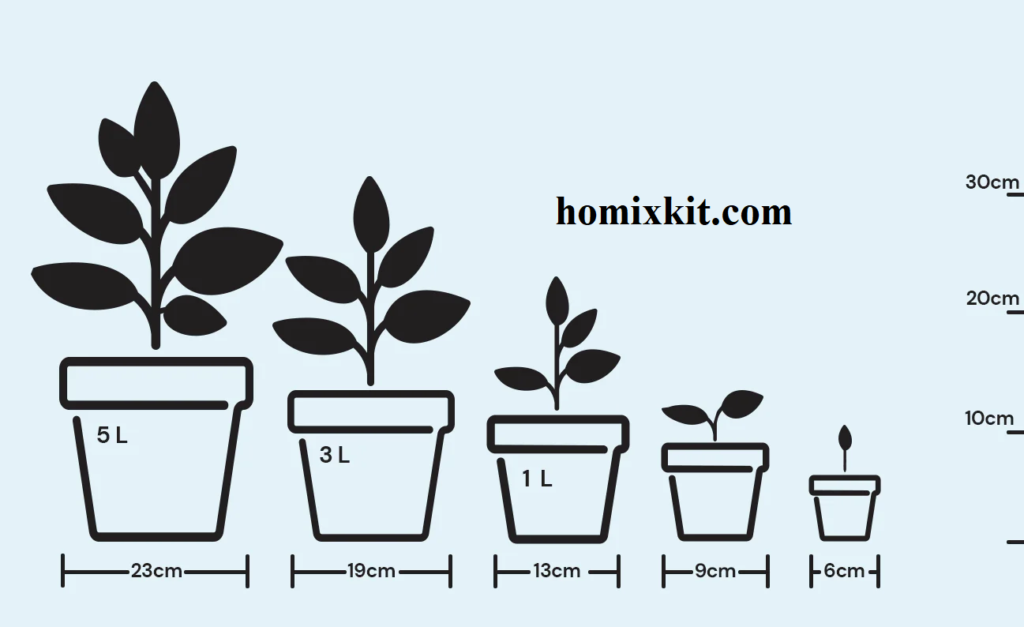
Choosing the right size is crucial. A large plant in a small room can feel overwhelming, while a tiny plant in a spacious area may go unnoticed. Think of plants as visual anchors they should balance the space, not dominate it.
For example, large artificial trees work best in living rooms, while smaller plants are perfect for shelves, desks, and side tables.
Choosing the Right Pot and Planter
The planter plays a huge role in how realistic your artificial plant looks. Cheap plastic pots can ruin the entire aesthetic. Instead, opt for ceramic, terracotta, or woven baskets.
You can even add real soil or decorative stones on top to enhance authenticity. This small trick makes a big difference in how convincing the plant appears.
Real vs Artificial Plants =>Which Is Better?
Pros and Cons Comparison
| Feature | Real Plants | Artificial Plants |
|---|---|---|
| Maintenance | High | None |
| Lifespan | Limited | Long-lasting |
| Cost Over Time | Ongoing | One-time |
| Appearance | Natural | Highly realistic |
| Flexibility | Limited | Place anywhere |
Artificial plants clearly win when it comes to convenience and durability, while real plants still offer natural benefits like air purification.
Where to Place Artificial Plants for Maximum Impact
Living Room Styling Tips
The living room is the heart of your home, and artificial plants can instantly elevate its look. Place a tall plant in an empty corner or add smaller plants on coffee tables and shelves. The key is balance don’t overcrowd the space.
Bedroom and Bathroom Placement
Artificial plants are perfect for bedrooms and bathrooms where real plants might struggle. A small plant on a bedside table or a hanging plant in the bathroom can create a calm, refreshing atmosphere.
How to Maintain Artificial Plants
Cleaning Tips
Artificial plants may not need water, but they do collect dust over time. Use a soft cloth or a gentle brush to clean them regularly. For deeper cleaning, a mild soap solution works well.
Keeping Them Looking Fresh
Rotate your plants occasionally and reshape the leaves to maintain a natural look. Avoid placing them in direct sunlight unless they are UV-resistant.
Common Mistakes to Avoid When Buying Artificial Plants
Many people unknowingly choose artificial plants that look obviously fake. One common mistake is focusing only on price instead of quality. Cheap plants often have unnatural colors and stiff structures, making them less appealing.
Another mistake is ignoring the importance of placement. Even the most realistic plant can look fake if it’s placed in an unrealistic environment. For example, a tropical plant in a dark corner without context may feel out of place.
Conclusion
Artificial plants have completely transformed modern home decor in 2026. They offer the perfect combination of beauty, convenience, and durability. By focusing on material quality, realistic details, and proper placement, you can create a space that feels alive without the effort of maintaining real plants.
The secret isn’t just buying artificial plants it’s choosing the right ones and styling them thoughtfully. When done right, they become more than decor; they become an essential part of your home’s personality.
FAQs
1. Do artificial plants look realistic in 2026?
Yes, modern artificial plants are highly realistic due to advanced materials and design techniques.
2. How long do artificial plants last?
High-quality artificial plants can last for several years with proper care.
3. Are artificial plants better than real plants?
They are better for low-maintenance living, but real plants offer natural benefits.
4. Can artificial plants be used outdoors?
Yes, but only if they are UV-resistant.
5. How do I make artificial plants look more real?
Use high-quality plants, adjust their shape, and place them in realistic settings with proper planters.