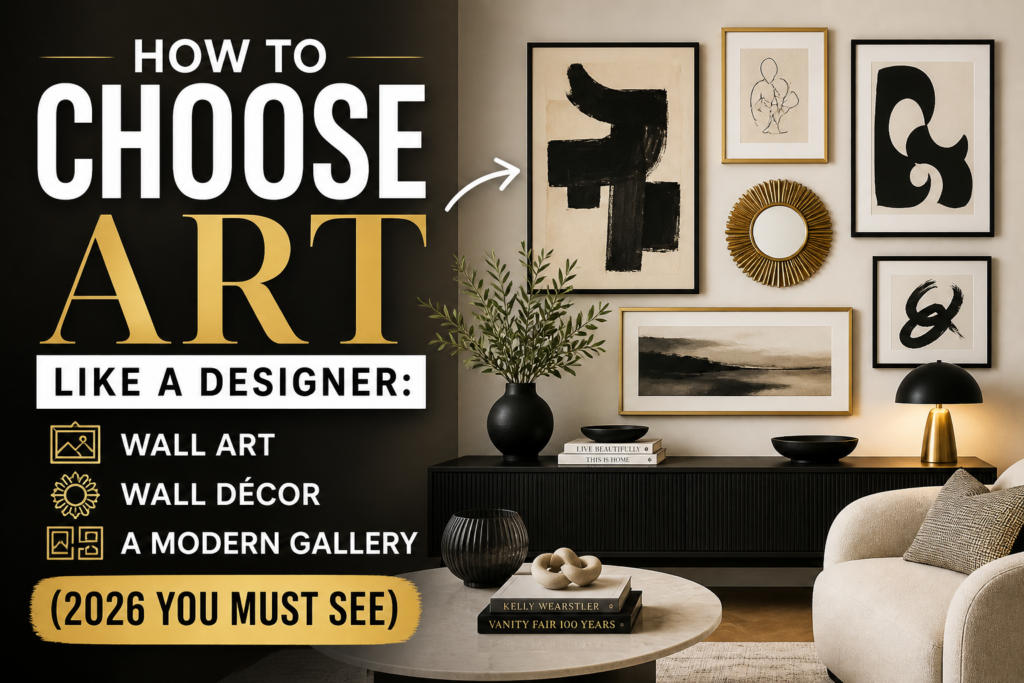

Interior design is often mistaken for decoration, but true design goes far beyond surface aesthetics. The designer mindset begins with an understanding of art as its foundation. Art teaches principles like balance, proportion, color harmony, and rhythm tools that allow designers to shape spaces that are both functional and emotionally resonant. Every choice, from furniture placement to lighting, is informed by these artistic principles, turning a room into a carefully orchestrated experience rather than a collection of objects.
Thinking like an artist encourages designers to experiment and innovate. Just as painters manipulate light and shadow or sculptors consider form and space, interior designers evaluate how textures, scale, and flow affect the way people interact with their surroundings. This approach cultivates intuition and originality, helping designers create spaces that feel alive, purposeful, and cohesive. Rather than replicating trends, designers can craft environments that express personality, tell a story, and evoke specific emotions.
Ultimately, art is the language of design. By grounding interior design in artistic thinking, professionals create spaces that communicate, inspire, and connect with occupants on a deeper level. The designer mindset allows for empathy, foresight, and creativity to guide every decision, transforming interiors from mere decoration into meaningful, lasting experiences. Embracing art as the foundation ensures that each design is not only beautiful but also functional, human-centered, and enduring a true reflection of thoughtful creativity.
The Designer Mindset – Think Beyond Decoration
Why Art Is the Foundation of Interior Design
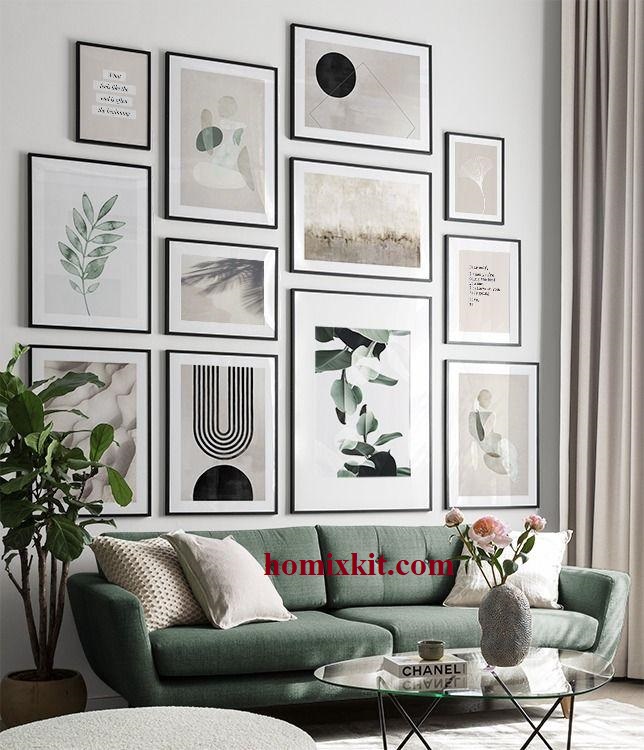
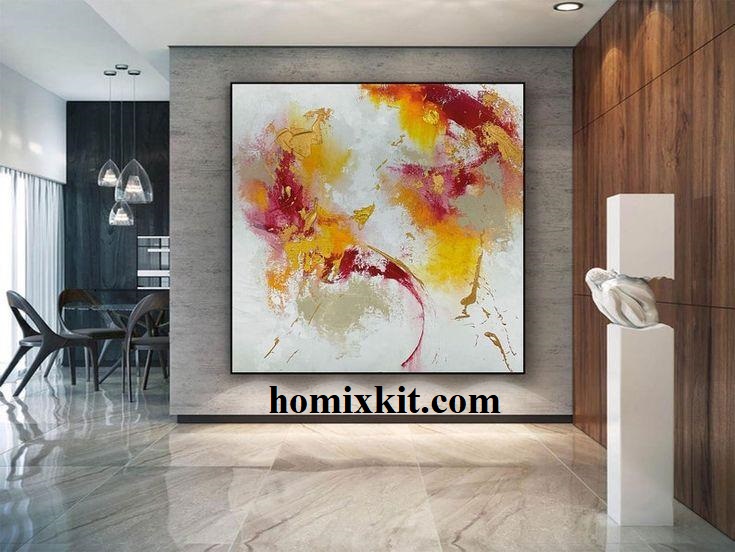
Here’s something most people get wrong: they treat wall art as the last step. Designers? They do the opposite. In 2026, art is often the starting point of interior design, not the finishing touch. According to current interior design insights, modern homes are being built around artwork because it sets the mood, color palette, and even furniture choices.
Think of art like the “main character” of your room. Everything else, sofa, lighting, rugs, plays a supporting role. When you pick art first, your space naturally feels more intentional and cohesive.
Professional designers also focus on storytelling. Your wall shouldn’t just look pretty, it should say something. Maybe it reflects your travels, your taste, or your personality. That’s what separates a styled home from a designer home.
Emotional vs Visual Design Approach
Let’s get real most people choose art based on looks alone. Designers go deeper. They ask: How does this piece make the room feel?
In 2026, there’s a huge shift toward emotion-driven interiors. Homeowners want spaces that feel warm, calm, and meaningful not just trendy.
- Soft abstracts = calm and relaxed
- Bold art = energetic and creative
- Nature-inspired art = grounded and peaceful
It’s like music you don’t just play random songs; you choose what matches your mood. Art works the same way.
Understanding 2026 Wall Art Trends
Oversized Statement Pieces
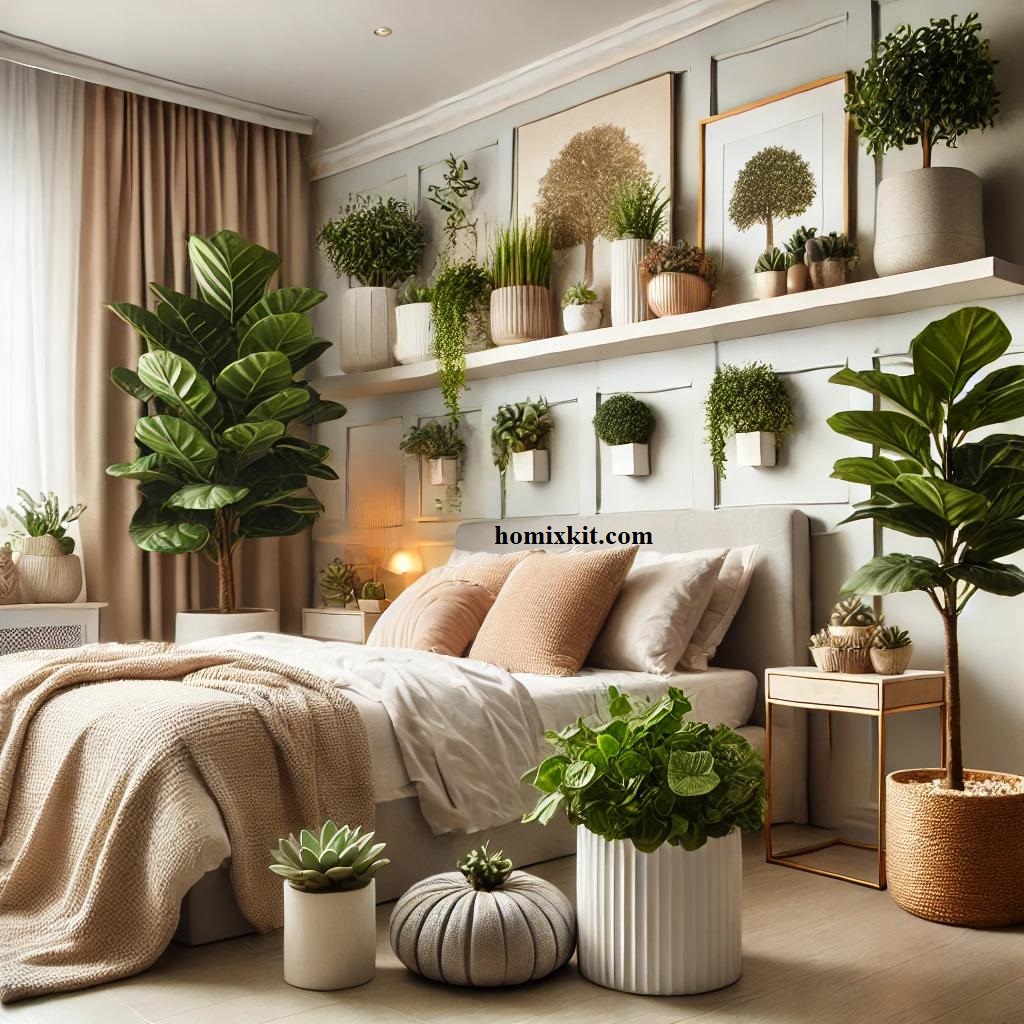
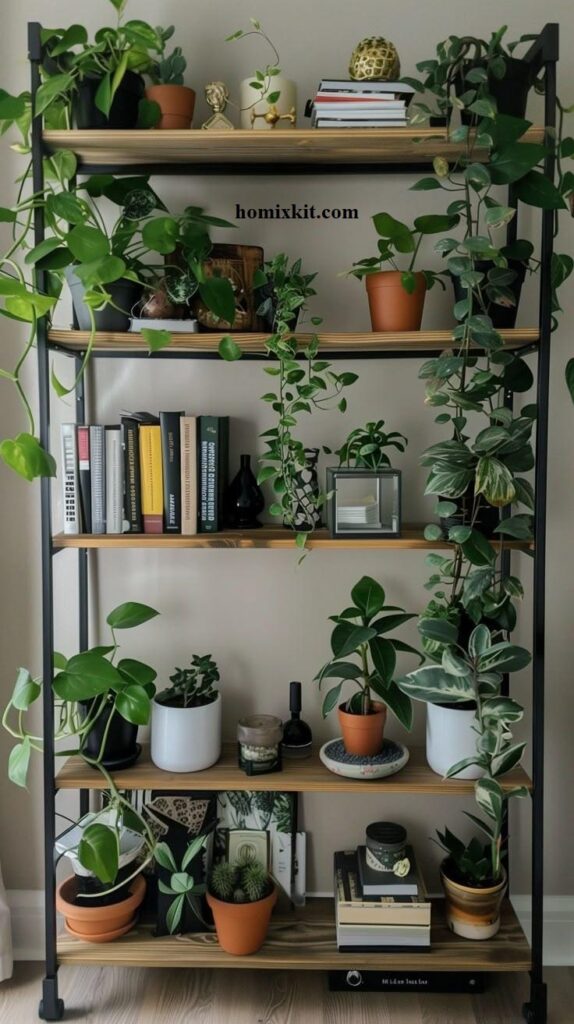
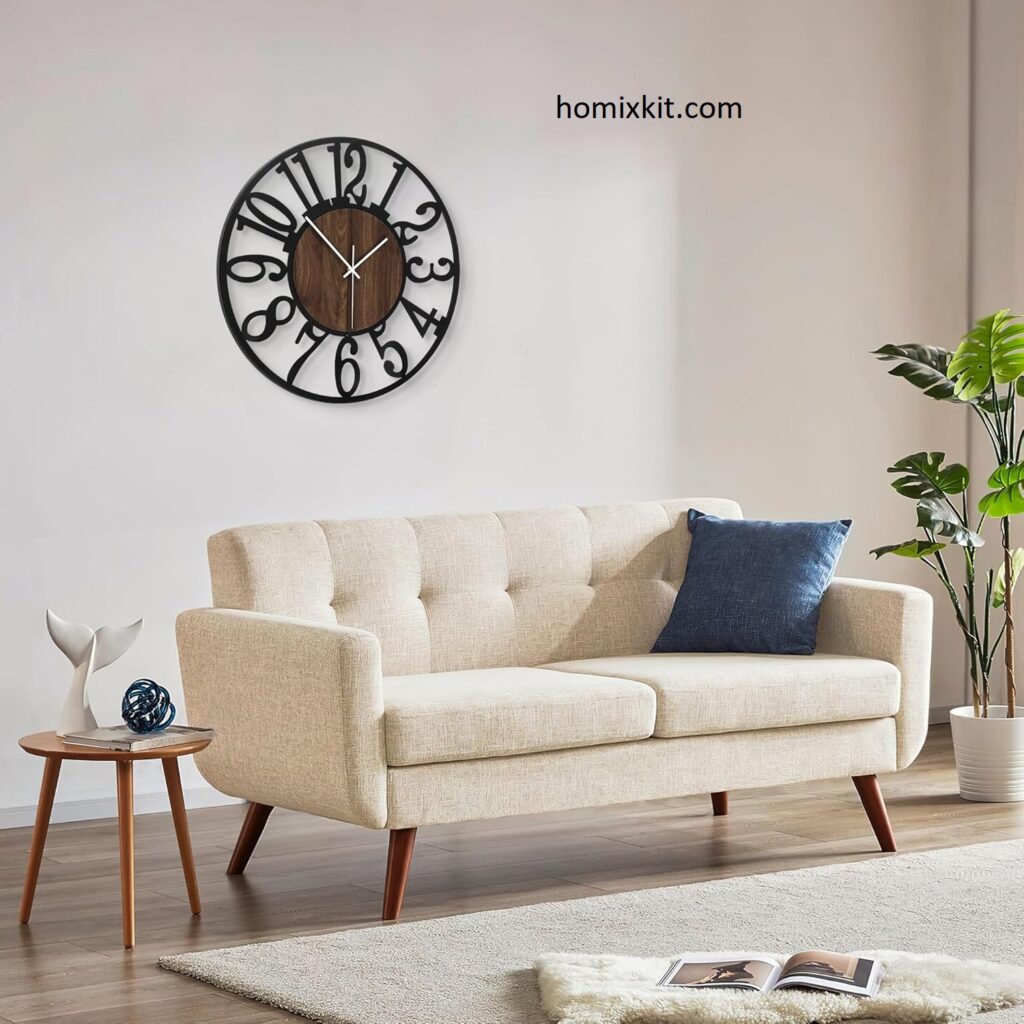
If there’s one trend dominating 2026, it’s this: go big or go home. Designers are moving away from cluttered walls and choosing one powerful statement piece instead.
Large-scale artwork does three things:
- Anchors the room
- Creates a focal point
- Makes your space feel expensive
Instead of ten small frames, one oversized canvas can completely transform a room. It’s bold, simple, and incredibly effective.
Texture, Depth & Organic Materials
Flat prints? They’re fading out. In 2026, texture is everything. Designers are choosing art that has depth visible brushstrokes, layered materials, and tactile surfaces.
You’ll see:
- Textured abstract paintings
- 3D wall panels
- Handmade brushstroke art
Why? Because texture adds life. As lighting changes throughout the day, textured art creates shadows and movement making your wall feel dynamic instead of flat.
Step 1 – Analyze Your Space Like a Pro
Scale, Proportion & Wall Measurements

Before buying anything, designers always measure. Seriously it’s non-negotiable.
A simple rule:
- Art should cover 60–75% of the wall width
Too small? It looks lost.
Too big? It overwhelms the space.
If you’re placing art above furniture:
- Leave about 6–10 inches gap between furniture and artwork
These small details make a huge difference.
Lighting & Viewing Angles
Lighting changes everything. A piece that looks amazing in a store might look dull in your home if the lighting is off.
Designers consider:
- Natural light direction
- Artificial lighting (spotlights, lamps)
- Viewing angle from seating areas
Good lighting enhances colors and texture. Bad lighting can completely ruin even expensive artwork.
Step 2 – Define Your Style Identity
Minimalist, Maximalist & Warm Minimalism
2026 isn’t about one style it’s about your style. But there are three major directions:
- Minimalist → clean, calm, neutral
- Maximalist → bold, layered, expressive
- Warm Minimalism → simple but cozy
Interestingly, “warm minimalism” is becoming the favorite. It combines simplicity with earthy tones and texture, creating a relaxed but stylish vibe.
Mixing Modern & Vintage Art
Designers rarely stick to one era. They mix styles to create depth.
For example:
- Modern abstract + vintage frame
- Contemporary prints + antique decor
This mix makes your space feel curated rather than staged.
Step 3 – Choose the Right Art Type
Canvas, Prints & Textured Panels

Different types of art create different effects:
- Canvas → modern, versatile
- Framed prints → clean and structured
- Textured panels → bold and architectural
Textured panels are especially trending because they add depth and shadow, making walls more dynamic.
Digital, Handmade & Custom Art
Customization is huge in 2026. People want art that feels unique not mass-produced.
Options include:
- Handmade paintings
- Digital rotating frames
- Custom commissions
Original art is gaining popularity because it offers authenticity and individuality.
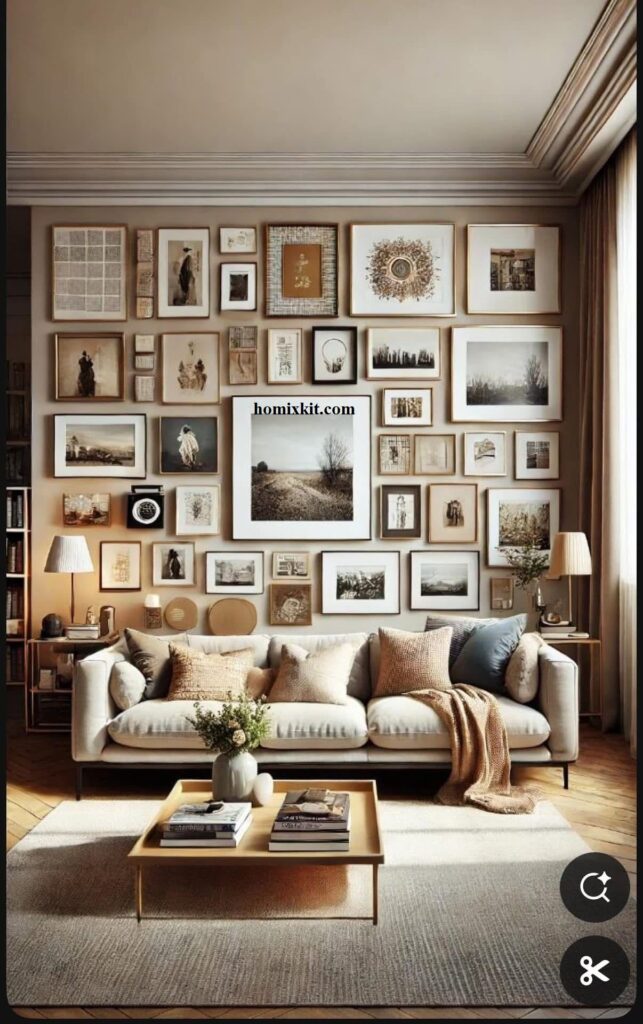
Step 4 – Create a Modern Gallery Wall
Layout Techniques Designers Use

Gallery walls aren’t dead they’ve just evolved.
Designers use:
- Grid layouts (clean and structured)
- Asymmetrical layouts (creative and relaxed)
The trick? Plan your layout on the floor before hanging anything.
Balance, Symmetry & Visual Flow
A good gallery wall feels balanced even if it’s not symmetrical.
Key tips:
- Mix sizes but keep spacing consistent
- Use a color theme for cohesion
- Start from the center and build outward
Think of it like a puzzle every piece should feel connected.
Step 5 – Placement Rules Designers Swear By
Height, Spacing & Alignment
The golden rule:
- Center of artwork = eye level (57–60 inches from floor)
Spacing between pieces:
- 2–3 inches for gallery walls
These small adjustments create a professional look instantly.
Focal Points & Statement Walls
Designers always create a focal point a spot that grabs attention first.
This could be:
- A large painting above the sofa
- A bold gallery wall
- A textured feature wall
One strong focal point is better than multiple weak ones.
Common Mistakes That Ruin Wall Décor
Even beautiful art can fail if used incorrectly. Here’s what to avoid:
- Choosing art that’s too small
- Hanging art too high
- Ignoring color harmony
- Overcrowding walls
- Buying generic mass-produced prints
2026 design is all about intentional choices, not random decoration.
Conclusion
Choosing art like a designer isn’t about spending more it’s about thinking differently. When you understand scale, style, placement, and emotion, you can transform any wall into something extraordinary. In 2026, the focus is clear: bigger, more personal, more textured, and more meaningful. Your walls are no longer empty space they’re your story.
FAQs
1. What is the biggest wall art trend in 2026?
Oversized statement art and textured pieces are dominating modern interiors.
2. How do designers choose wall art?
They consider space, lighting, scale, and emotional impact not just appearance.
3. Is a gallery wall still trendy in 2026?
Yes, but it’s more curated and intentional rather than cluttered.
4. What size art should I choose for my wall?
Aim for 60–75% of your wall width for a balanced look.
5. Should wall art match furniture?
Not exactly,focus on harmony and contrast instead of perfect matching.