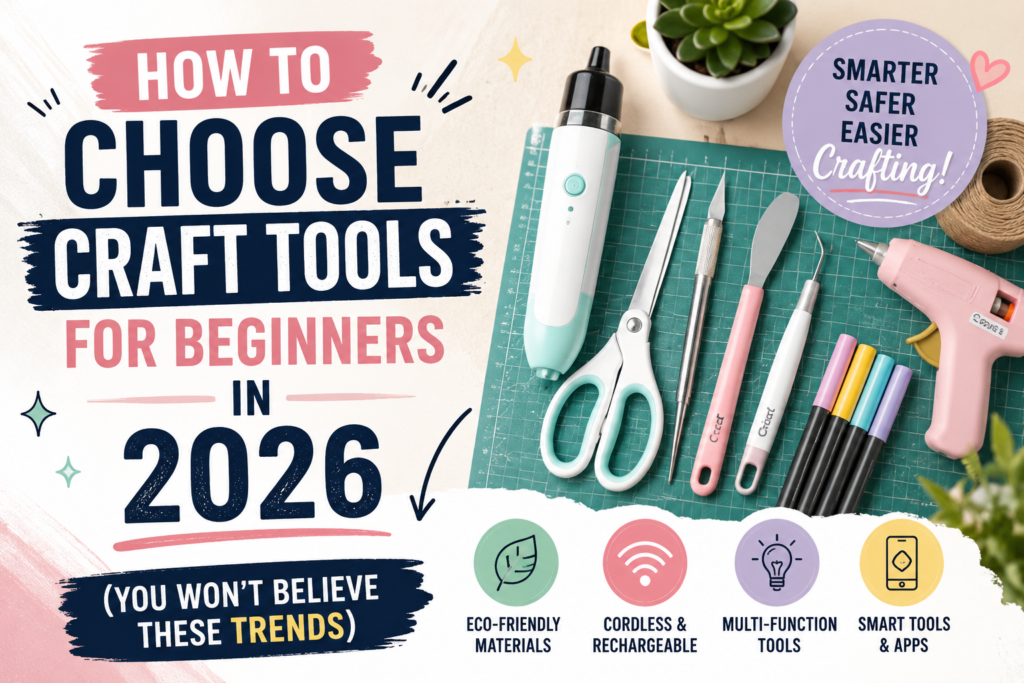

Before buying your first craft tool, you should know something surprising: crafting in 2026 looks very different from just a few years ago. People are moving away from endless screen time and rediscovering hands-on hobbies. Industry reports show growing interest in embroidery, sewing, journaling, crochet, DIY gifting, and personalized handmade projects. Search trends also show major growth in rug tufting, needle crafts, and sustainable DIY activities.
The biggest mistake beginners make is purchasing expensive tools before understanding what they actually need. A well-chosen set of beginner tools can save money, reduce frustration, and make crafting far more enjoyable. Whether you’re interested in scrapbooking, embroidery, jewelry making, paper crafts, sewing, or mixed-media art, this guide will help you choose the right tools in 2026.
Why Crafting Is Booming in 2026
Crafting has experienced a remarkable comeback in 2026. Instead of spending every free moment looking at phones and laptops, many people are searching for activities that help them slow down and create something meaningful. Recent trend reports reveal increased interest in junk journaling, embroidery, sewing, handmade gifts, and social crafting events. These activities allow people to relax while producing tangible results they can proudly display or gift to others.
Another reason for this growth is personalization. People want products that reflect their personality rather than mass-produced items. Handmade gifts, customized decorations, and unique accessories have become more desirable than ever. Many beginners discover that crafting is not only fun but also an opportunity to develop new skills and even start a small business. This combination of creativity, mindfulness, and entrepreneurship explains why the crafting community continues to expand rapidly in 2026.
The Digital Detox Movement
One of the strongest trends shaping crafting in 2026 is the digital detox movement. People increasingly seek activities that provide relief from constant notifications, social media feeds, and screen fatigue. Crafting offers a refreshing escape because it engages the hands and mind simultaneously. Whether stitching embroidery patterns or designing scrapbook pages, crafters experience a level of focus that many describe as calming and therapeutic. Reports even describe crafting as “the new yoga” because of its ability to promote relaxation and mental wellness.
The Rise of Personalized Handmade Projects
Personalization is another powerful force behind today’s crafting boom. Consumers value products that tell stories, preserve memories, and reflect individuality. Personalized embroidery, handmade journals, custom jewelry, and memory scrapbooks are becoming increasingly popular. Projects that incorporate personal messages, family photographs, or meaningful designs create emotional value that cannot be replicated by factory-made products.
Understanding Your Crafting Goals
Before buying a single tool, take a moment to think about what kind of projects excite you most. Imagine walking into a massive craft store. Without a plan, it’s easy to become overwhelmed and spend money on supplies you’ll never use. Defining your goals first helps you build a toolkit that matches your interests and skill level.
Some beginners love paper crafts and scrapbooking. Others enjoy embroidery, crochet, sewing, or jewelry making. Each hobby requires different tools. By choosing a specific craft area, you avoid unnecessary purchases and focus your budget on equipment that will genuinely support your creative journey. Think of your toolkit as a garden. The right tools help your creativity grow, while random purchases become weeds that consume your resources.
Choosing a Hobby Before Buying Tools
Ask yourself what projects you enjoy looking at online. Do you save scrapbook ideas on Pinterest? Are you fascinated by embroidery videos? Do handmade bracelets catch your attention? Your interests offer valuable clues about which tools you should prioritize.
Matching Tools to Your Interests
Different hobbies require different starter kits. Paper crafters need cutting tools and adhesives. Embroiderers need hoops, needles, and thread. Jewelry makers require pliers and wire cutters. Choosing tools based on your interests creates a more enjoyable learning experience.
Essential Craft Tools Every Beginner Needs
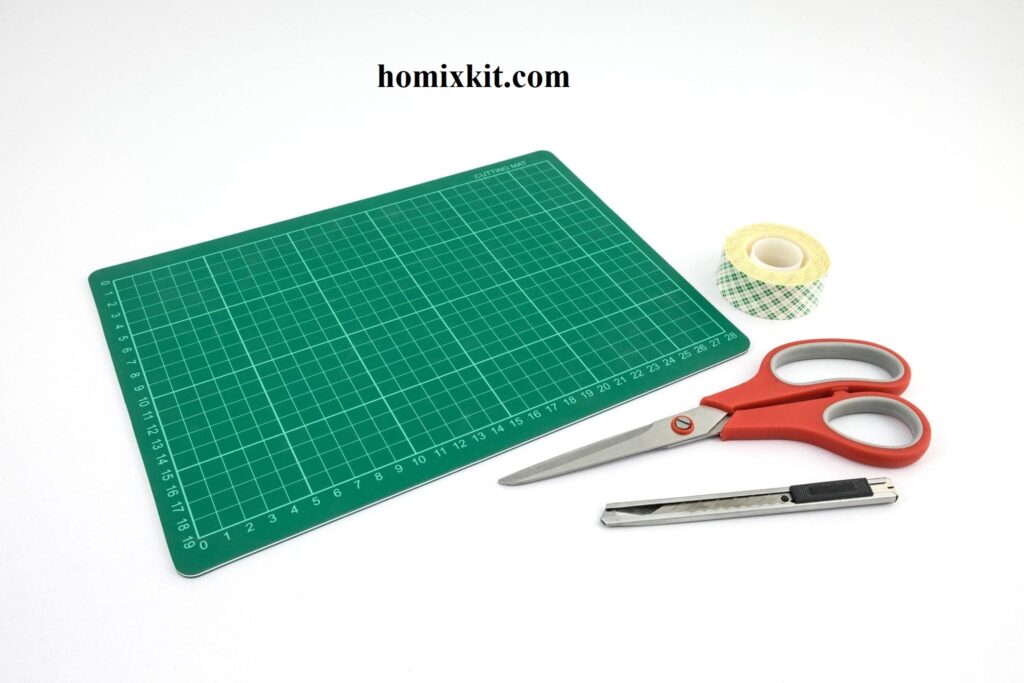
Regardless of your chosen craft, certain tools are universally useful. A high-quality pair of scissors is perhaps the most important investment for beginners. Reliable cutting tools improve accuracy, reduce frustration, and make projects look more professional. Experts consistently recommend quality scissors and precision cutting tools as essential components of any craft toolkit.
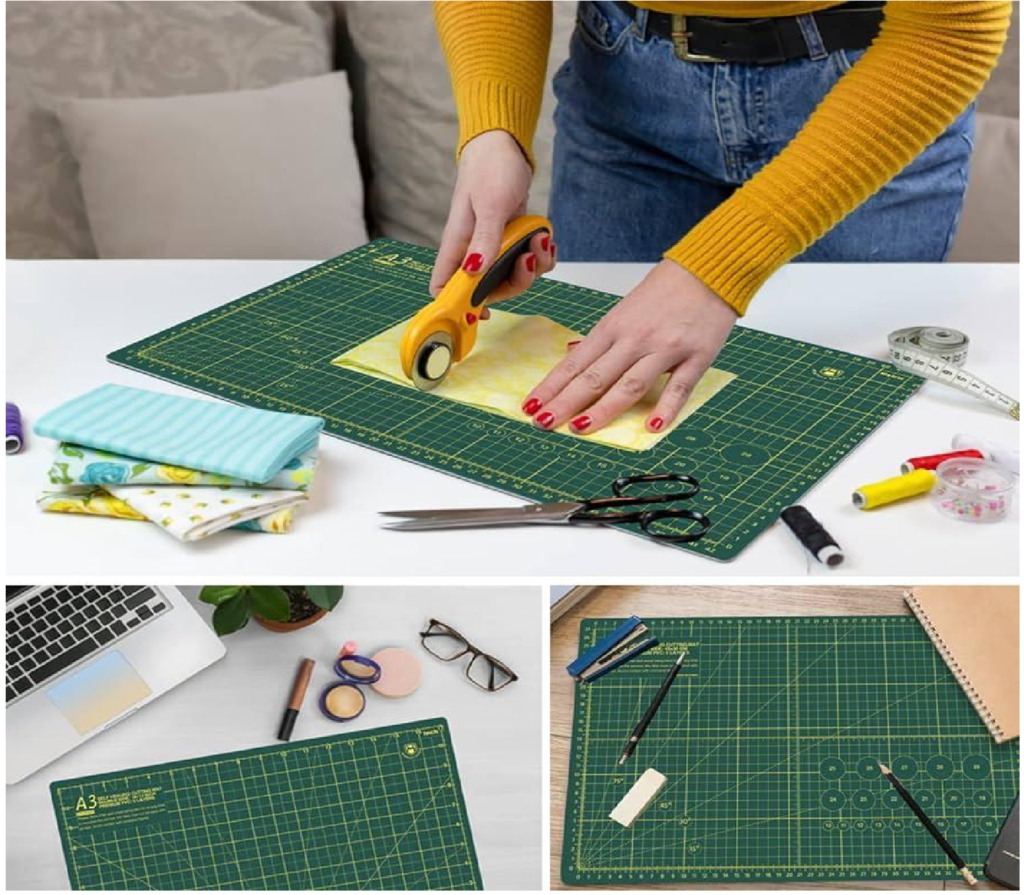
A self-healing cutting mat is another worthwhile investment. It protects your work surface while providing measurement guides that improve precision. Pair this with a metal ruler, craft knife, and measuring tape, and you’ll have a solid foundation for countless projects. Good measuring tools may not seem exciting, but they often make the difference between a polished result and a project that looks rushed.
Cutting Tools
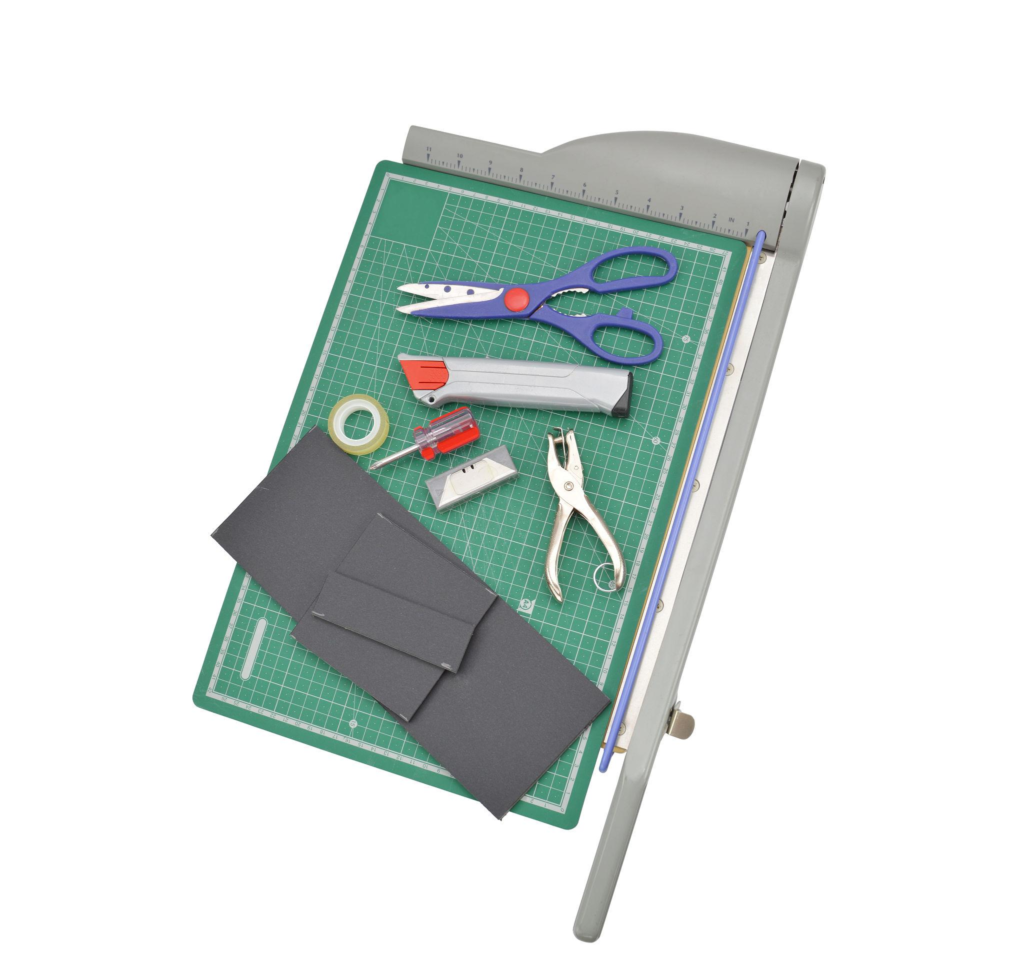
The most essential cutting tools include:
- Craft scissors
- Precision snips
- Craft knife
- Self-healing cutting mat
- Metal ruler
These items support almost every craft category and improve both safety and accuracy.
Measuring and Marking Tools
Accurate measurements are critical for professional-looking results. Beginners should keep rulers, measuring tapes, pencils, and fabric markers readily available.
Adhesives and Fasteners
Different materials require different adhesives. Paper crafters often use glue sticks and double-sided tape, while fabric projects may require specialized fabric glue.
The Most Popular Craft Tool Trends in 2026
Craft tools are evolving alongside crafting trends. Sustainability, versatility, and technology are driving purchasing decisions across the industry. Many beginners now prefer tools that serve multiple purposes instead of buying separate equipment for every project. This approach saves money and reduces clutter.
Sustainable Crafting Tools
Sustainability remains one of the biggest crafting trends of 2026. Crafters increasingly choose reusable materials, eco-friendly supplies, and durable tools that last for years rather than disposable alternatives. Industry reports highlight sustainability as a major influence across DIY communities worldwide.
Multi-Purpose Craft Equipment
Modern beginners appreciate flexibility. Multi-purpose tools allow users to experiment with multiple hobbies before committing to a single specialty. Adjustable rulers, interchangeable cutting systems, and versatile storage solutions are increasingly popular.
Smart Crafting Machines
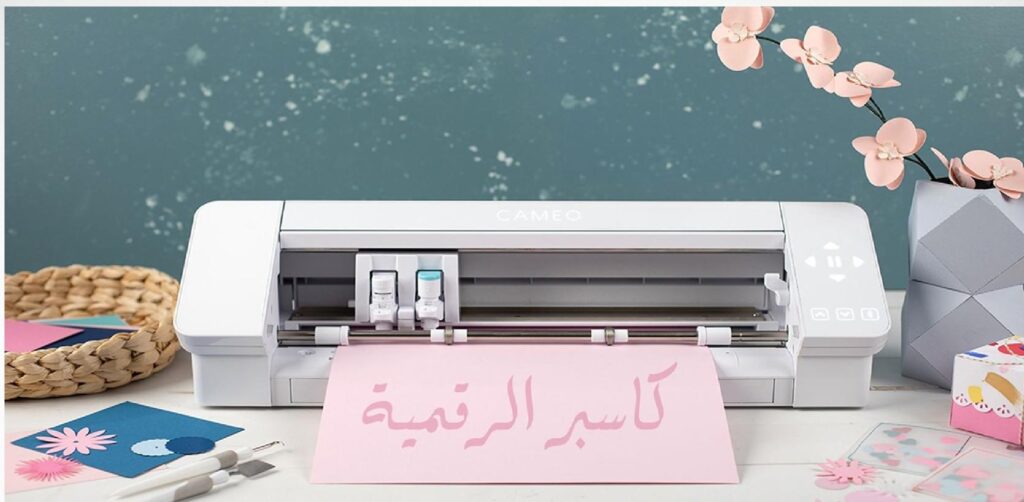
Technology is also entering the craft room. Vinyl cutters and smart cutting machines are becoming more accessible to beginners. Modern machines can cut paper, vinyl, cardstock, fabric, and other materials with remarkable precision. Popular options in 2026 include advanced cutting systems designed for versatility and ease of use.
| Tool Type | Beginner Friendly | Cost Range | Best For |
|---|---|---|---|
| Scissors | Yes | Low | All crafts |
| Cutting Mat | Yes | Low | Paper crafts |
| Embroidery Hoop | Yes | Low | Embroidery |
| Jewelry Pliers | Yes | Low | Jewelry making |
| Vinyl Cutter | Moderate | Medium-High | Digital crafting |
| Laser Engraver | Advanced | High | Professional projects |
Craft Tools by Hobby Type
Scrapbooking
Scrapbooking remains one of the most beginner-friendly hobbies because it requires relatively inexpensive tools. A paper trimmer, scissors, adhesive tape runner, decorative punches, and a cutting mat can handle most projects. As your skills grow, you can add stamps, embossing tools, and specialty cutters.
Embroidery
Embroidery continues to gain popularity because it combines creativity with relaxation. Beginners need embroidery hoops, needles, embroidery floss, transfer pens, and fabric scissors. Personalized embroidery projects are especially popular in 2026 because they transform meaningful memories into lasting keepsakes.
Jewelry Making
Jewelry making allows beginners to create wearable art with minimal investment. Essential tools include round-nose pliers, flat-nose pliers, wire cutters, bead mats, and storage organizers. Personalized charm bracelets and beaded accessories remain particularly trendy.
Sewing
Sewing requires a slightly larger investment but offers tremendous creative possibilities. Beginners should start with fabric scissors, measuring tape, pins, seam rippers, and a basic sewing machine. Sewing has experienced renewed interest thanks to growing awareness of sustainability and clothing repair.
How Much Should Beginners Spend?
One of the most common questions new crafters ask is how much money they should invest. The answer depends on your goals, but most beginners can start successfully with a modest budget. Instead of buying premium tools immediately, focus on acquiring quality basics that cover a wide range of projects.
A beginner toolkit often costs far less than people expect. Many experienced crafters recommend purchasing only the tools required for your current projects rather than collecting equipment you may never use. Community discussions frequently emphasize this strategy because it prevents overspending and encourages gradual learning.
Budget-Friendly Starter Kits
A simple starter kit should include:
- Quality scissors
- Cutting mat
- Metal ruler
- Adhesive
- Storage container
- Basic project supplies
When to Upgrade
Upgrade tools only after consistent use. If a hobby becomes a long-term passion, investing in premium equipment makes sense. Until then, focus on skill development rather than expensive gadgets.
Common Mistakes to Avoid
Many beginners make the mistake of purchasing every trendy tool they encounter online. While enthusiasm is valuable, overspending often leads to clutter and frustration. Start small and build gradually. Another common mistake is choosing the cheapest possible tools. Extremely low-cost equipment may break quickly or produce poor results, making learning more difficult.
Ignoring ergonomics is another issue. Comfortable scissors, lightweight tools, and organized storage can significantly improve your crafting experience. Finally, avoid comparing your early projects to professional work shared on social media. Crafting is a journey, and every expert began as a beginner.
Conclusion
Choosing craft tools in 2026 is less about buying the newest gadgets and more about selecting equipment that supports your creative goals. The biggest trends this year revolve around sustainability, personalization, mindfulness, and hands-on creativity. Whether you want to create scrapbook memories, embroidered keepsakes, handmade jewelry, or sewn projects, the right tools can transform your experience from frustrating to inspiring.
Start with quality basics, focus on one craft category at a time, and upgrade only when your skills demand it. By following this approach, you’ll build a toolkit that grows alongside your creativity while avoiding unnecessary expenses. Crafting isn’t about owning every tool available it’s about using the right tools to bring your ideas to life.
FAQs
1. What is the most important craft tool for beginners?
A high-quality pair of scissors is often considered the most important beginner craft tool because it is useful across nearly all craft categories.
2. How much should a beginner spend on craft tools?
Most beginners can start with a basic toolkit for a modest budget and expand gradually as their interests develop.
3. What craft is easiest for beginners in 2026?
Scrapbooking, journaling, embroidery, and simple jewelry making are among the easiest and most affordable crafts to begin.
4. Are smart crafting machines worth it?
They can be valuable for frequent crafters, but beginners should master basic tools before investing in expensive equipment.
5. What is the biggest craft trend in 2026?
Sustainable crafting, personalized handmade projects, embroidery, journaling, and digital-detox hobbies are among the biggest trends in 2026.

Pingback: Best 22 Must-Have Craft Tools and Supplies for DIY Projects in 2026