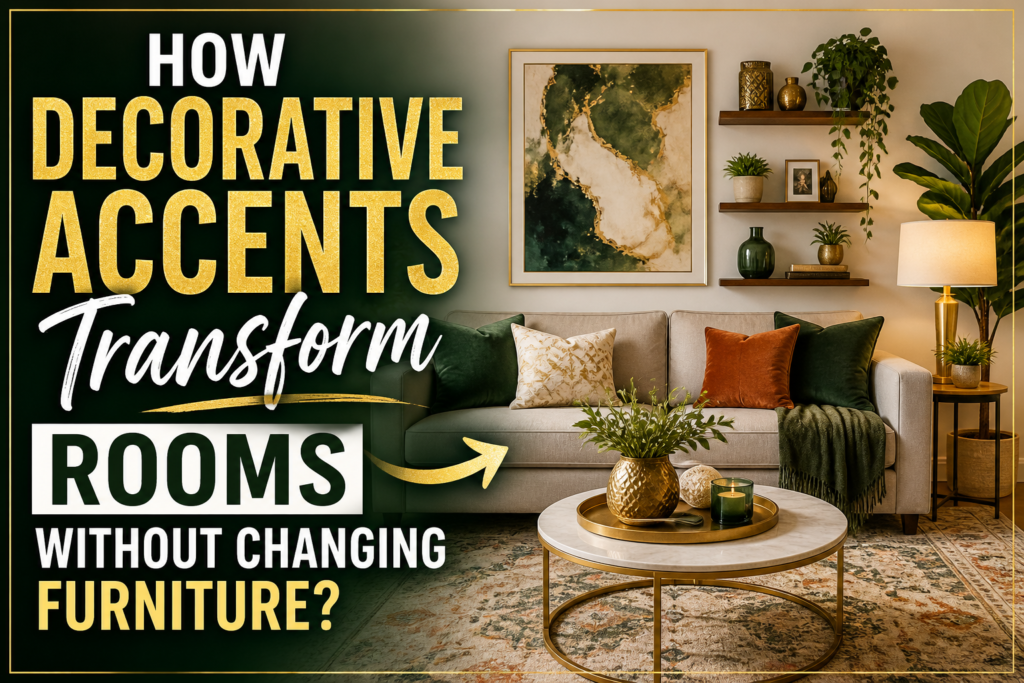

Decorative accents are powerful tools in interior design, capable of transforming a space without the need for expensive furniture changes. By strategically incorporating items like throw pillows, vases, artwork, and lighting, you can refresh a room’s aesthetic and create a completely new atmosphere. One of the most effective ways decorative accents change a room is through color. For example, introducing vibrant throw pillows or a colorful rug can add pops of color, complementing the existing furniture and breathing new life into the space. You can shift the entire mood of a room with accents that reflect seasonal tones or trendy hues, without replacing any of your furniture.
What Are Decorative Accents?
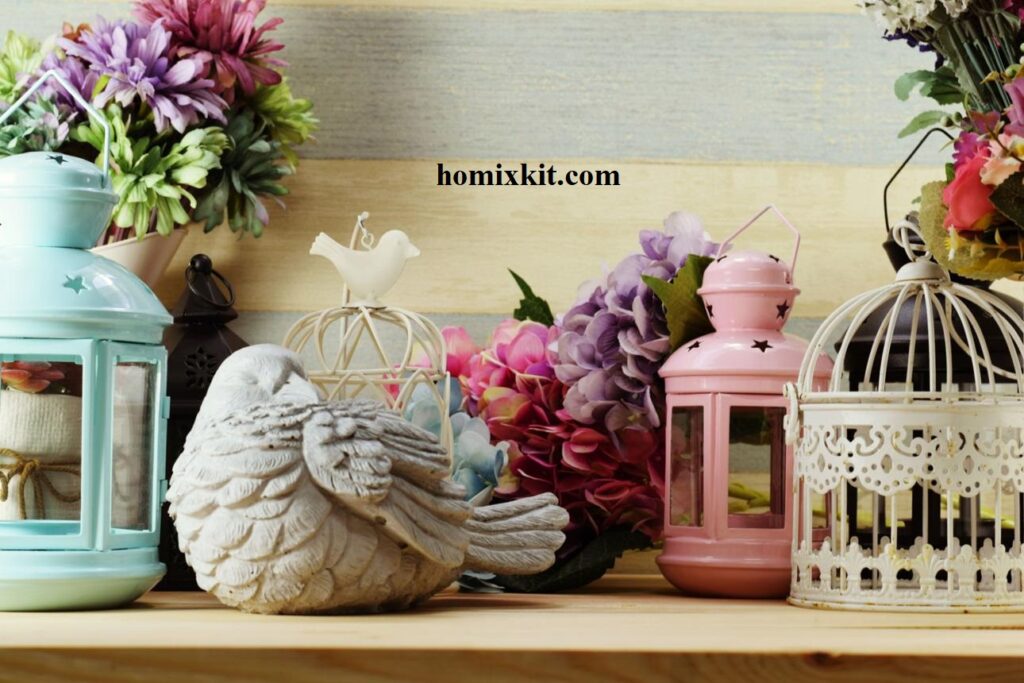
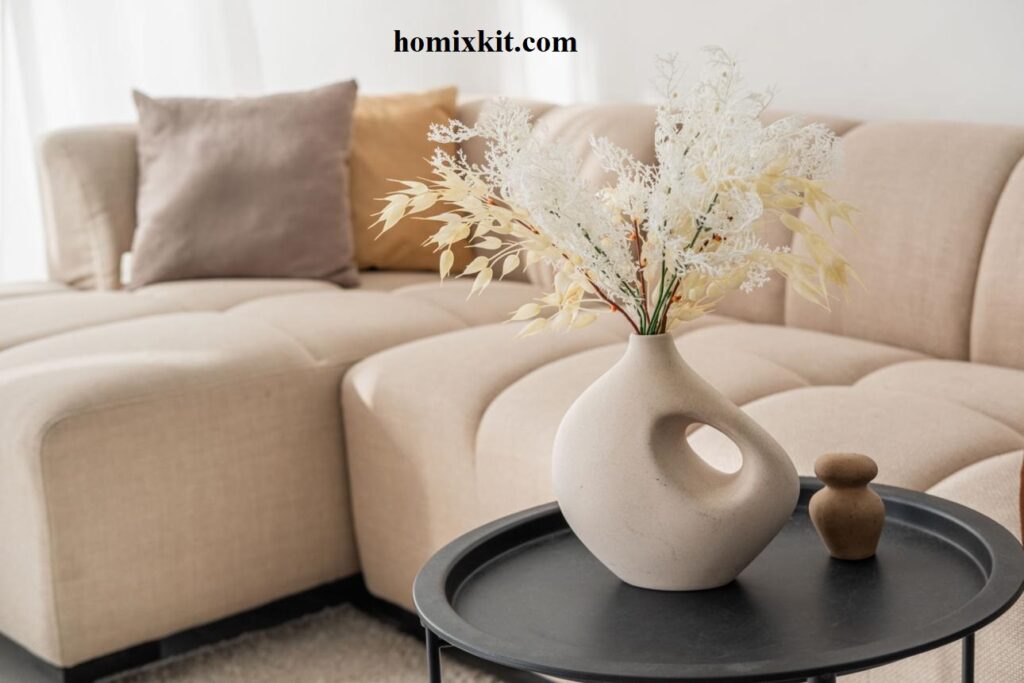
Decorative accents are the unsung heroes of interior design. Think of them as the “finishing touches” that bring a room to life items like cushions, rugs, artwork, lamps, curtains, and even small accessories like vases or candles. While furniture provides structure and functionality, decorative accents inject personality, emotion, and style into a space. Without them, even the most expensive furniture can feel lifeless, like a stage without actors.
These accents are incredibly versatile. You can swap them out seasonally, experiment with different styles, and adapt your room’s vibe without making any permanent or costly changes. That’s what makes them so powerful they give you creative freedom without commitment. Whether you’re aiming for a cozy, minimalist, modern, or luxurious feel, decorative accents help you achieve it effortlessly.
Why They Matter More Than Furniture
Here’s a surprising truth: you don’t need new furniture to completely transform a room. Furniture is often the biggest expense and the hardest to change, but accents can dramatically shift how that furniture is perceived. A neutral sofa, for example, can feel warm and inviting with earthy-toned cushions or sleek and modern with monochrome patterns.
Decorative accents work like filters on a photo they enhance what’s already there. They create visual interest, add depth, and guide the eye across the room. Even small changes, like switching out pillow covers or adding a bold rug, can make a room feel entirely new. It’s not about replacing what you have; it’s about reimagining it.
How Colors Influence Mood
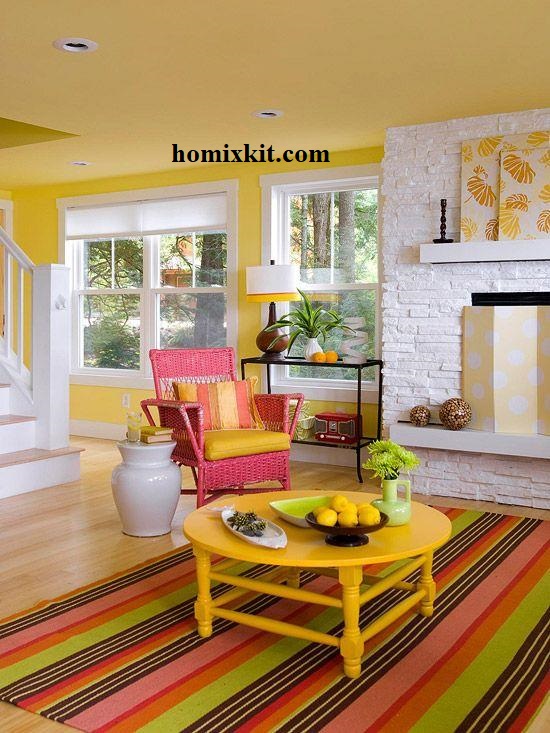
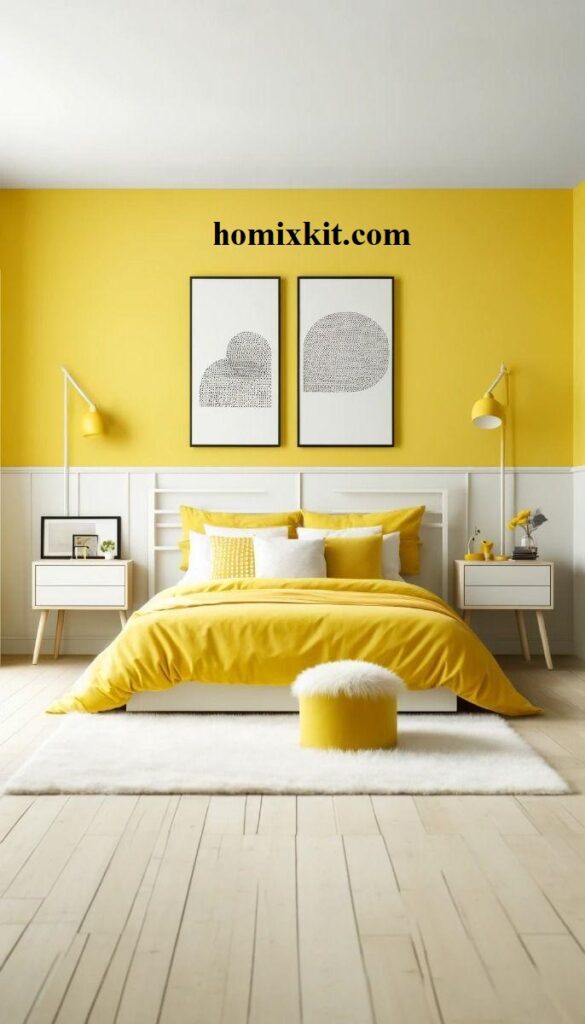
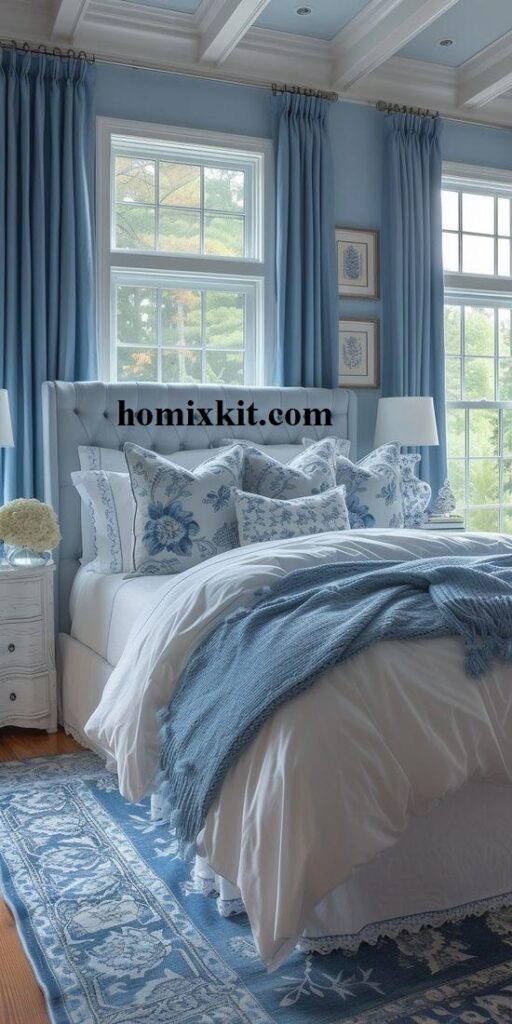
Colors are more than just visual elements they’re emotional triggers. Ever noticed how a room painted in soft blues feels calming, while one filled with bright yellows feels energetic? That’s the psychology of color at work. Decorative accents allow you to harness this power without repainting walls or buying new furniture.
For instance, adding green accents can evoke a sense of nature and tranquility, while bold reds can create energy and excitement. Even subtle color shifts through cushions, throws, or artwork can influence how you feel in a space. It’s like setting the mood with lighting in a movie scene except here, you’re the director of your home.
The Role of Texture and Layers
Texture is often overlooked, but it’s what makes a room feel rich and inviting. Imagine a room with only smooth surfaces it would feel cold and flat. Now add a chunky knit throw, a soft rug, and velvet cushions, and suddenly the space feels warm and layered.
Decorative accents introduce these textures effortlessly. Mixing materials like wood, metal, fabric, and glass creates depth and interest. Layering different textures is like composing music you need highs, lows, and variation to create harmony.
Choosing the Right Colors and Patterns
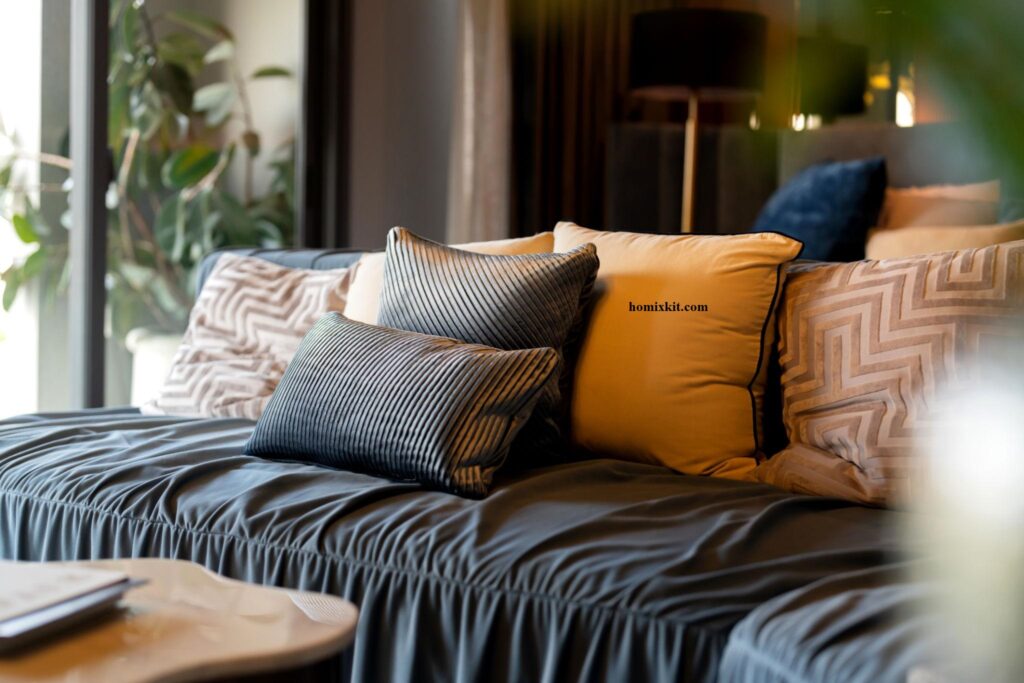
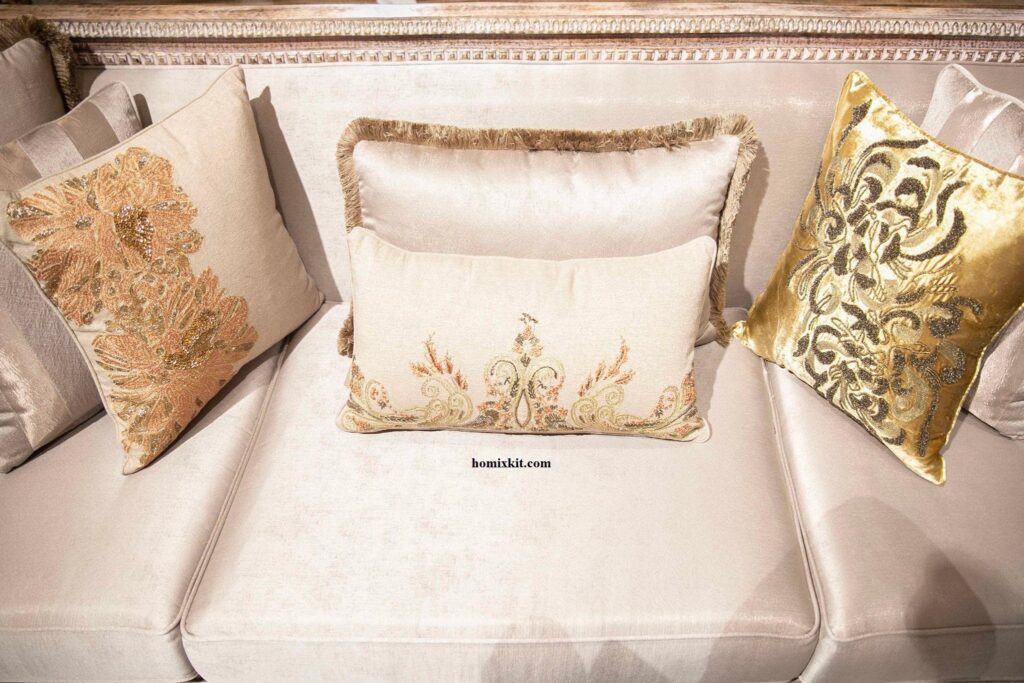
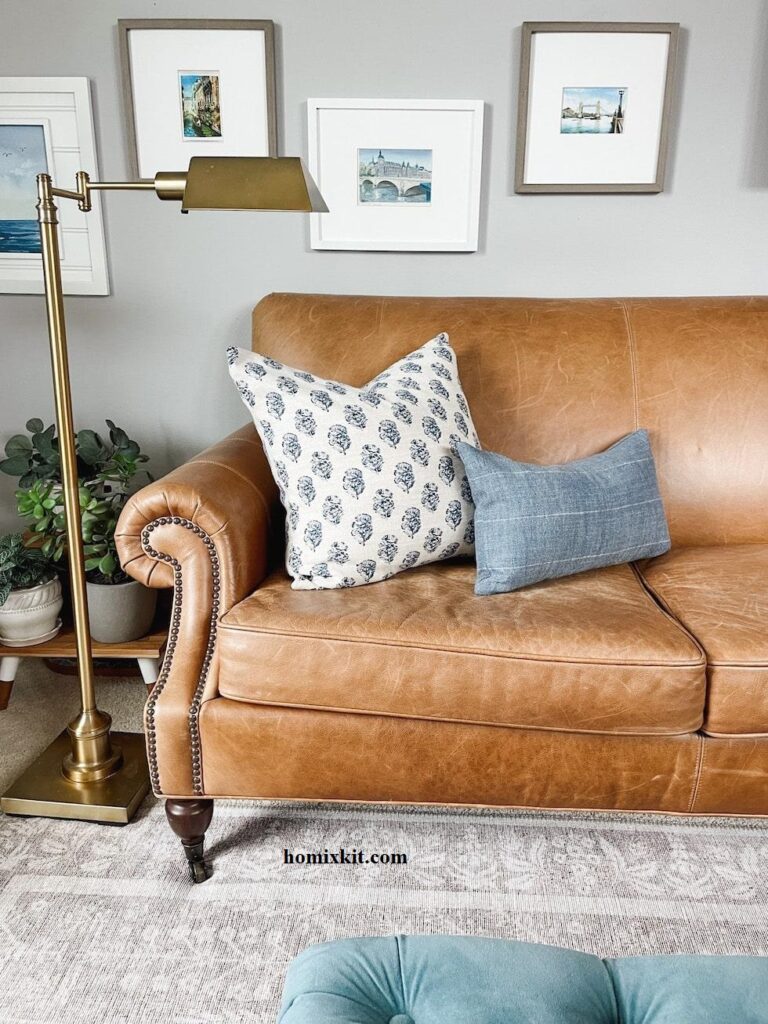
Throw pillows are one of the easiest and most affordable ways to transform a room. They act as color anchors and style statements, tying together different elements in the space. The key is to mix colors, patterns, and sizes thoughtfully. Too much uniformity can look boring, while too much variety can feel chaotic.
A good rule of thumb is to choose a base color palette and then layer in complementary shades and patterns. Stripes, florals, and geometric prints can coexist beautifully when balanced correctly. Think of it as curating an outfit you want pieces that stand out but still work together.
Seasonal Styling Tips
One of the best things about cushions is how easy they are to swap out. In summer, opt for light fabrics and bright colors to create an airy feel. In winter, switch to warm tones and cozy textures like wool or velvet. This simple change can make your home feel in sync with the seasons.
Size and Placement Strategies
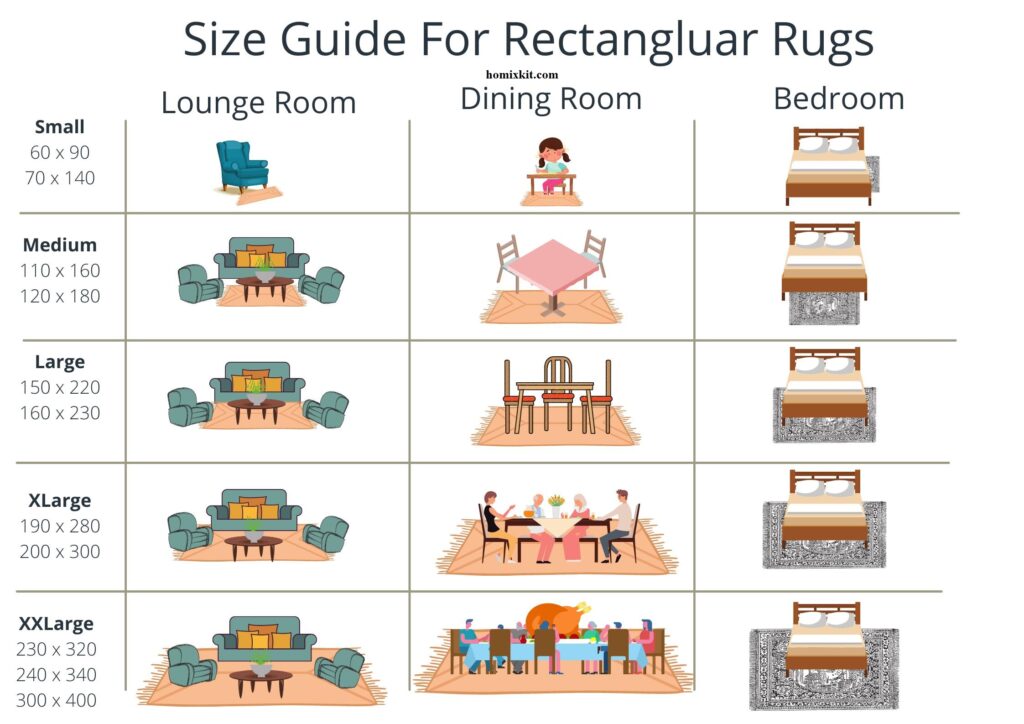
Rugs do more than just cover the floor they define spaces and anchor furniture. A well-placed rug can make a room feel cohesive, while a poorly chosen one can disrupt the entire layout. Size matters a lot here; a rug that’s too small can make a room feel disjointed.
Ideally, your rug should be large enough to fit under key furniture pieces, like the front legs of your sofa and chairs. This creates a unified look and helps visually connect different elements in the room.
Layering Rugs for Depth
Layering rugs is a trend that adds instant depth and character. You can place a smaller patterned rug over a larger neutral one to create contrast and interest. It’s like layering clothing it adds dimension and style.
Gallery Walls vs Statement Pieces
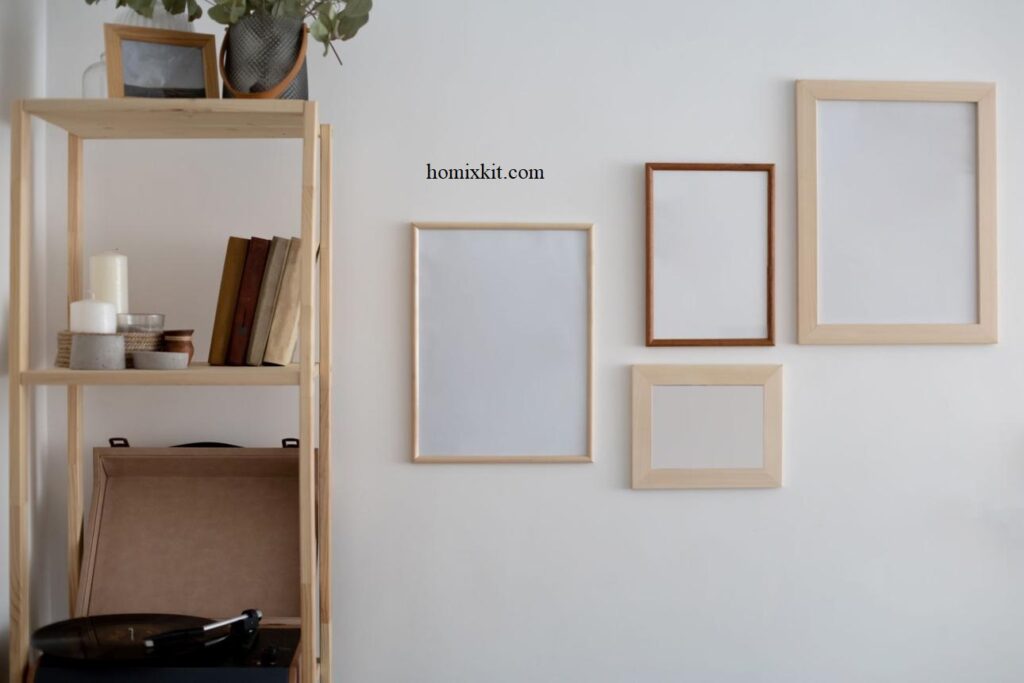
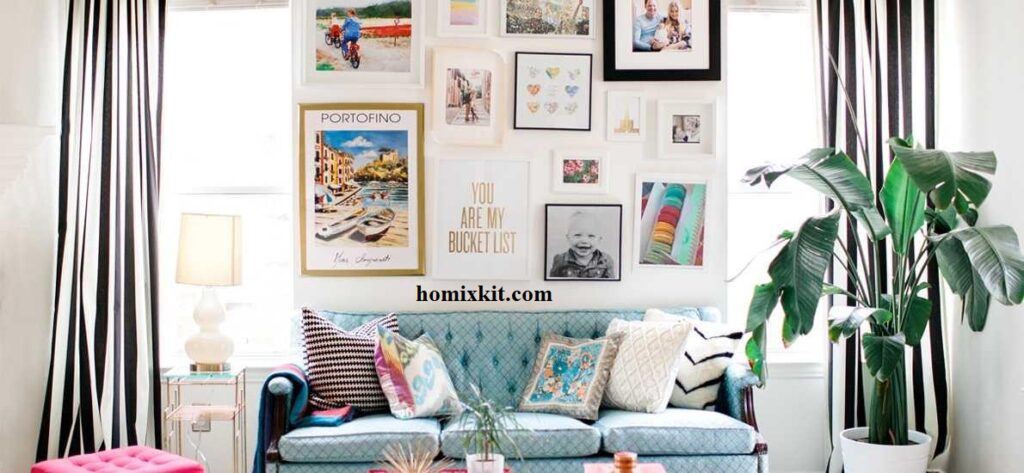
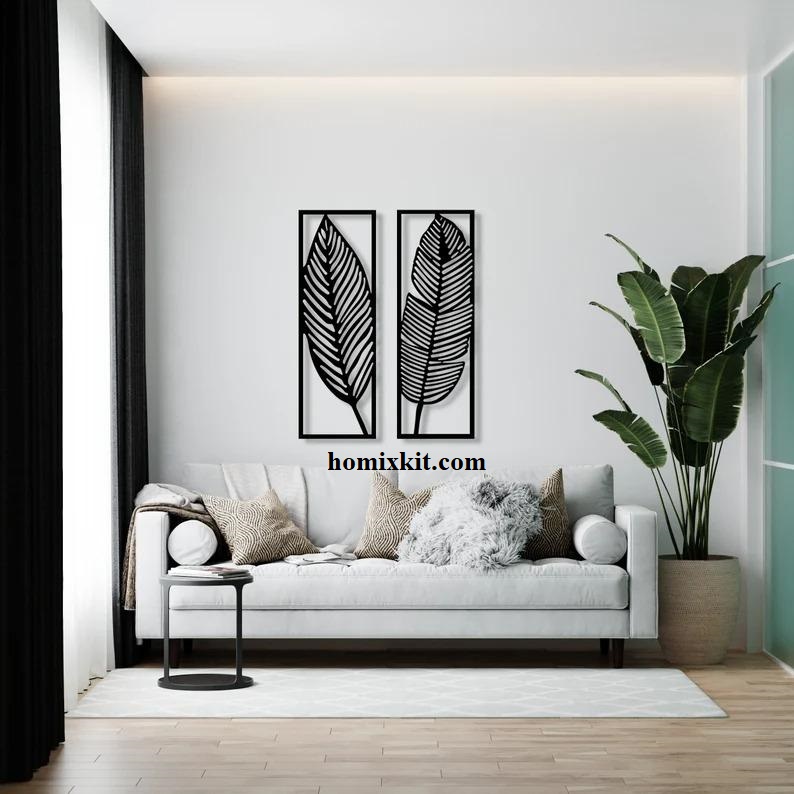
Walls are blank canvases waiting to be transformed. A gallery wall filled with photos and artwork tells a story, while a single large statement piece can create a bold focal point. Both approaches work it just depends on your style.
Gallery walls are great for personalization, while statement pieces are perfect for creating impact with minimal effort. Either way, wall art can completely change how a room feels.
Frame Styles and Themes
Frames play a huge role in the overall look. Matching frames create a clean, cohesive feel, while mixed styles add an eclectic vibe. Choose what resonates with your personality and the mood you want to create.
Lighting as a Decorative Element
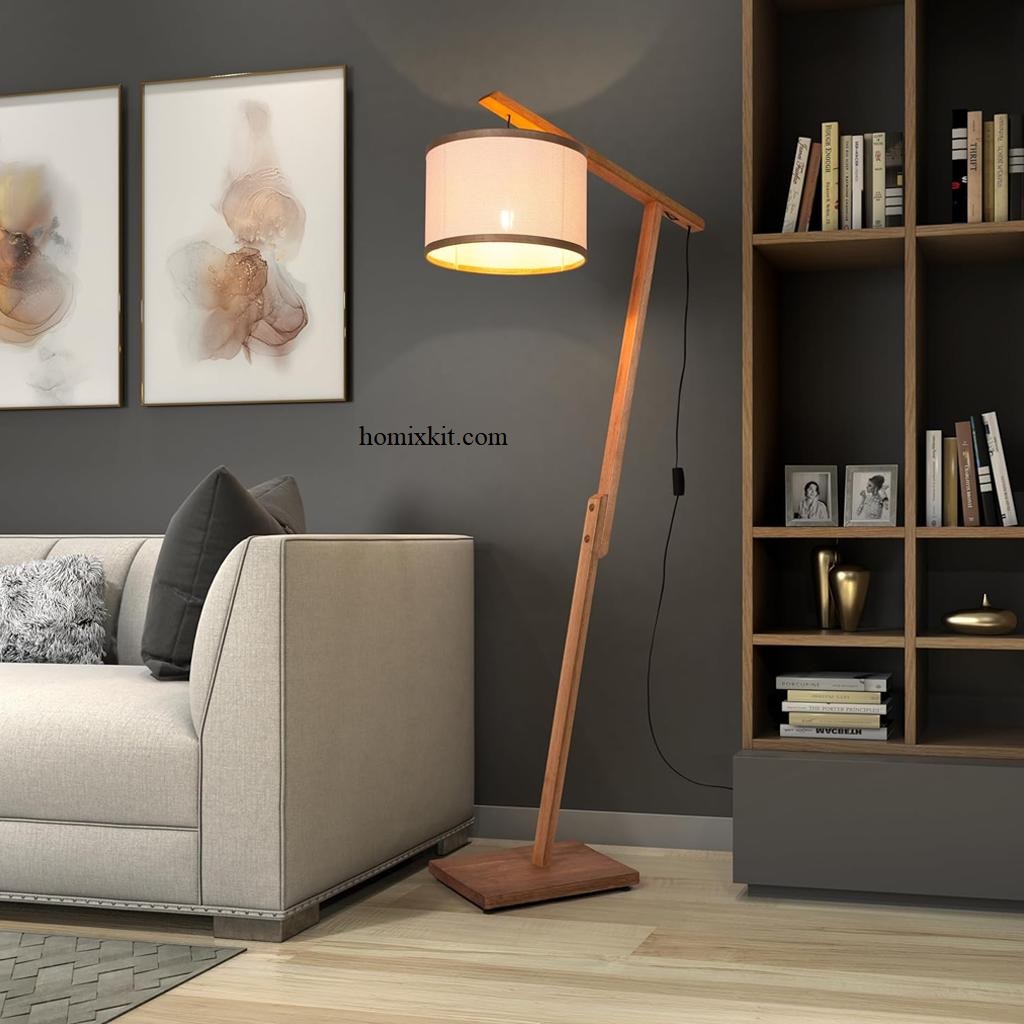
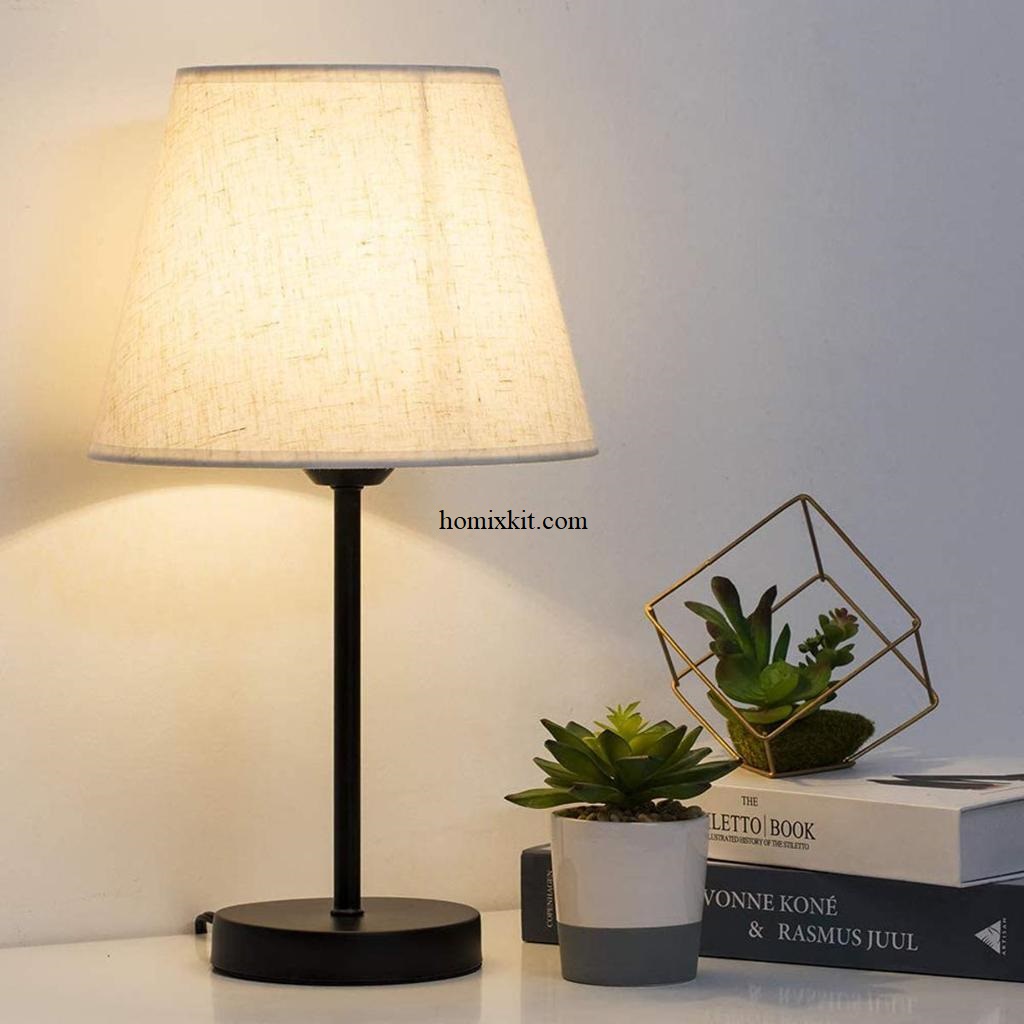
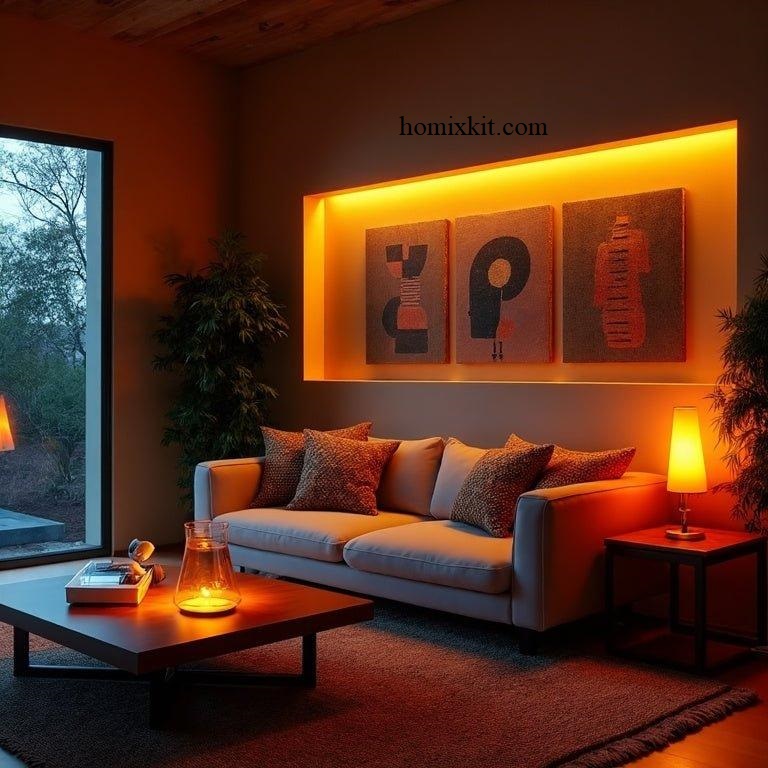
Lighting isn’t just functional it’s transformative. Ambient lighting sets the overall mood, while accent lighting highlights specific areas or objects. Together, they create a layered lighting effect that makes a room feel dynamic and inviting.
Lamps as Style Statements
Lamps are like jewelry for your home. A stylish floor lamp or table lamp can act as both a light source and a decorative piece. Choosing unique designs can elevate your room instantly.
Curtains and Drapes Magic
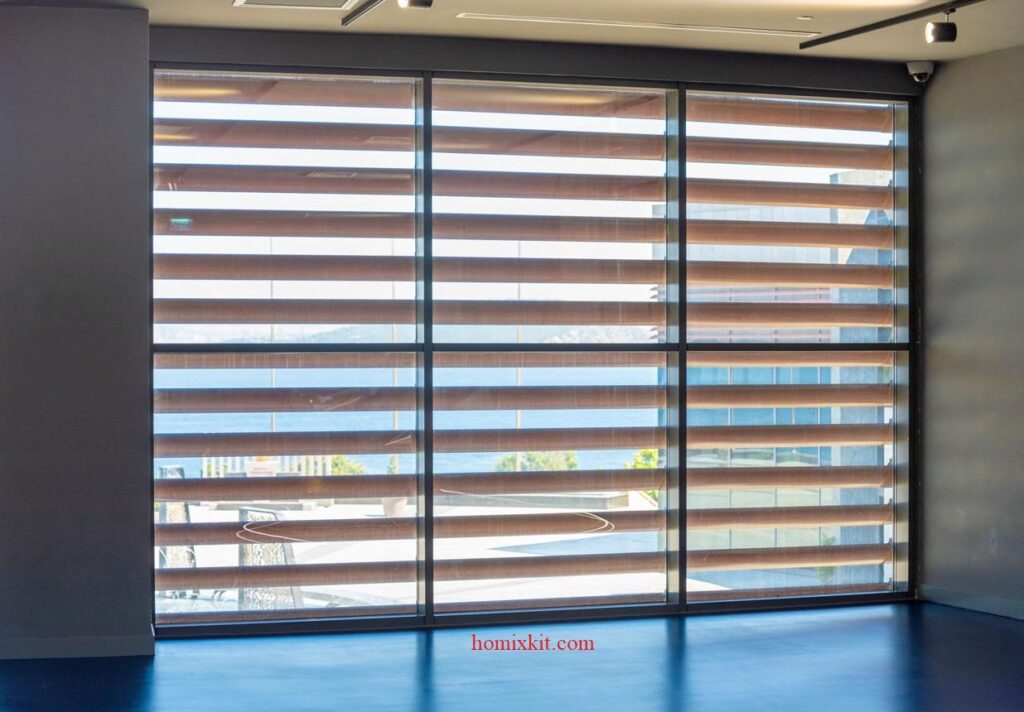
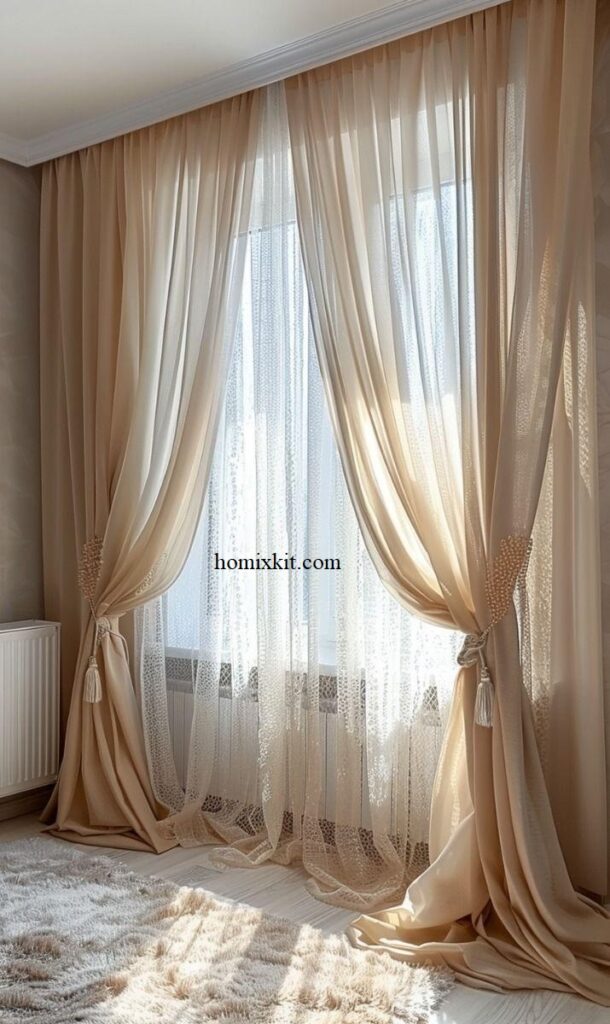
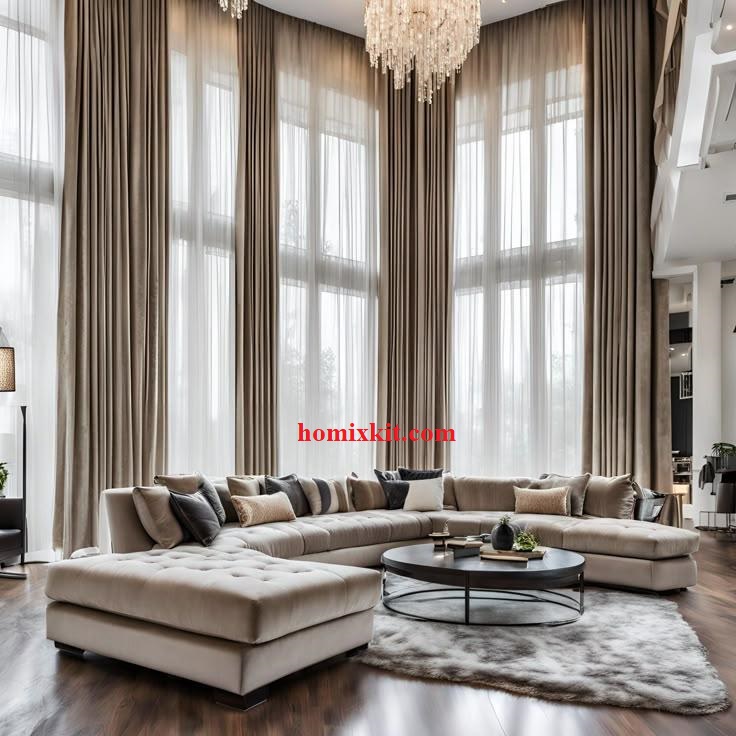
Curtains can dramatically change a room’s look and feel. Light, sheer fabrics create an airy atmosphere, while heavy drapes add drama and luxury. The choice of fabric sets the tone for the entire space.
Height and Illusion Techniques
Hanging curtains higher than the window frame creates the illusion of taller ceilings. It’s a simple trick that can make a room feel more spacious and elegant.
Decorative Accessories That Matter
Small accessories often have the biggest impact. Items like vases, candles, sculptures, and books add personality and tell a story about who you are. These pieces make your space feel lived-in and authentic rather than staged.
The key is not to overdo it. A few well-chosen items can create a stronger impact than cluttering every surface. Think of accessories as punctuation marks they should enhance the sentence, not overwhelm it.
Mirrors for Space Transformation
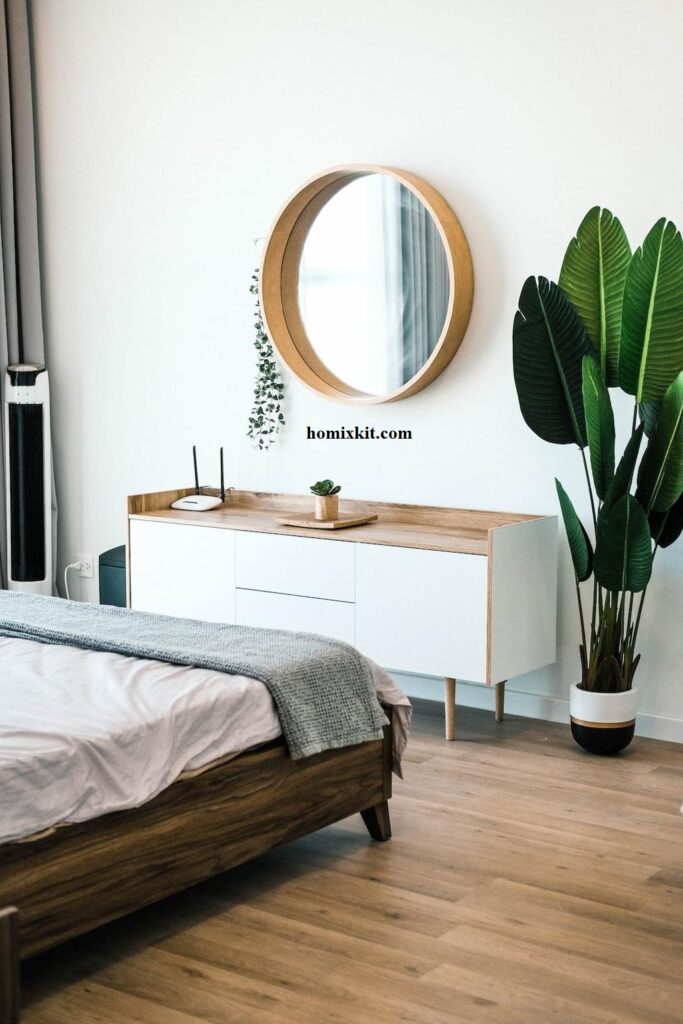
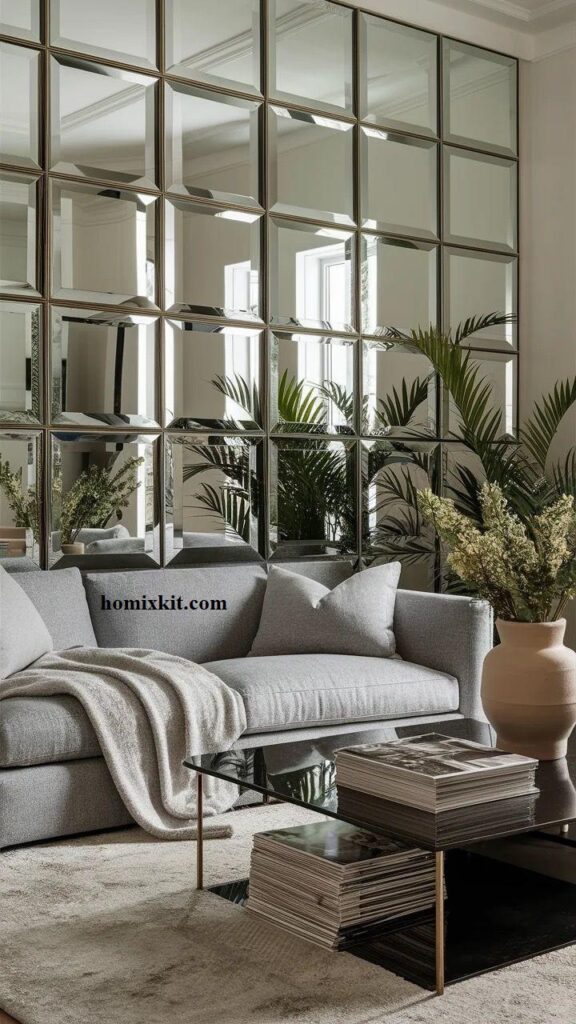
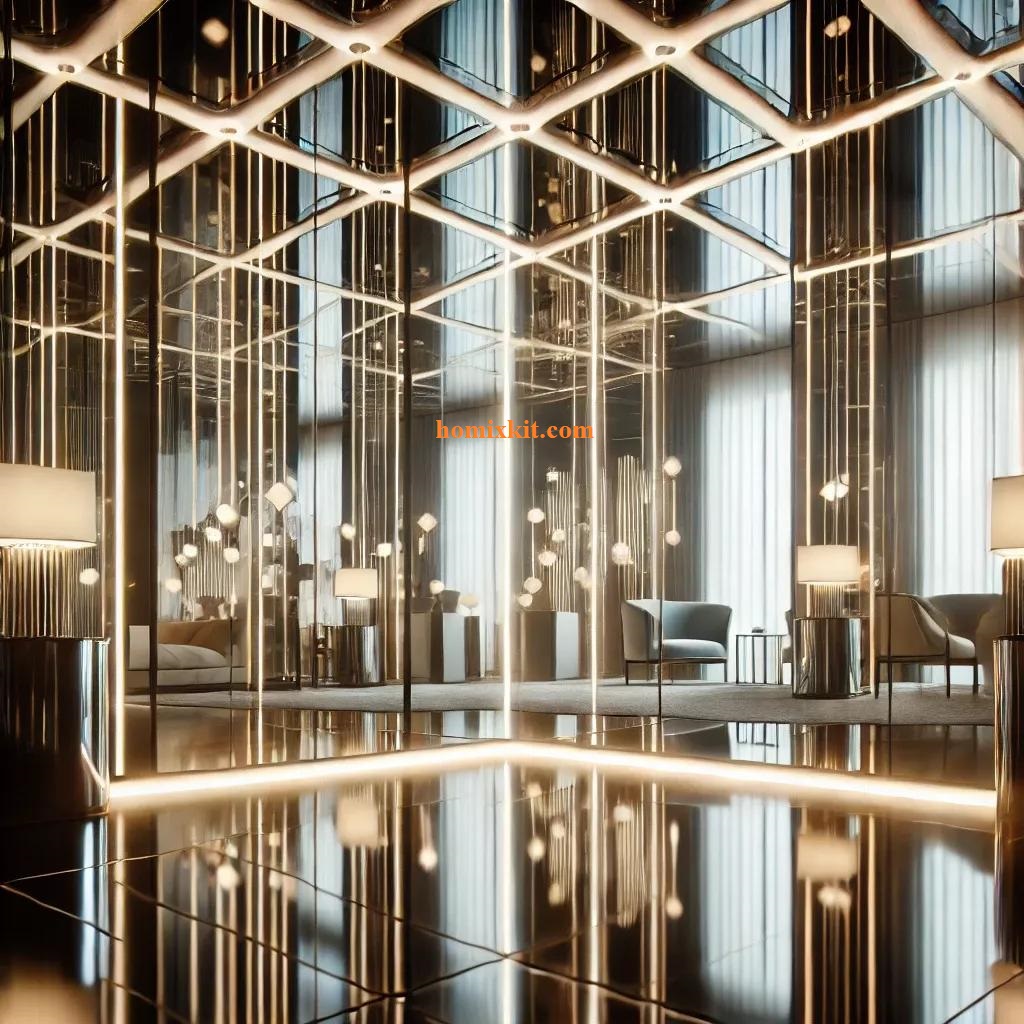
Mirrors are magical when it comes to transforming spaces. They reflect light, making rooms appear brighter and larger. In smaller rooms, a well-placed mirror can create the illusion of depth and openness.
Strategic Placement Tips
Placing mirrors opposite windows maximizes natural light. Positioning them behind furniture can also add depth and dimension to the room.
Plants and Natural Elements
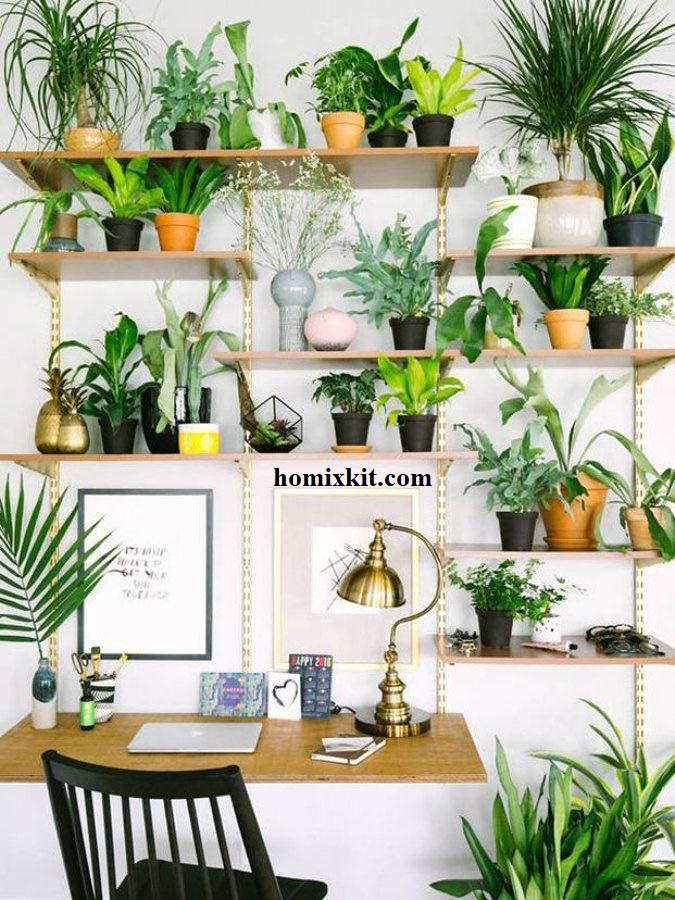
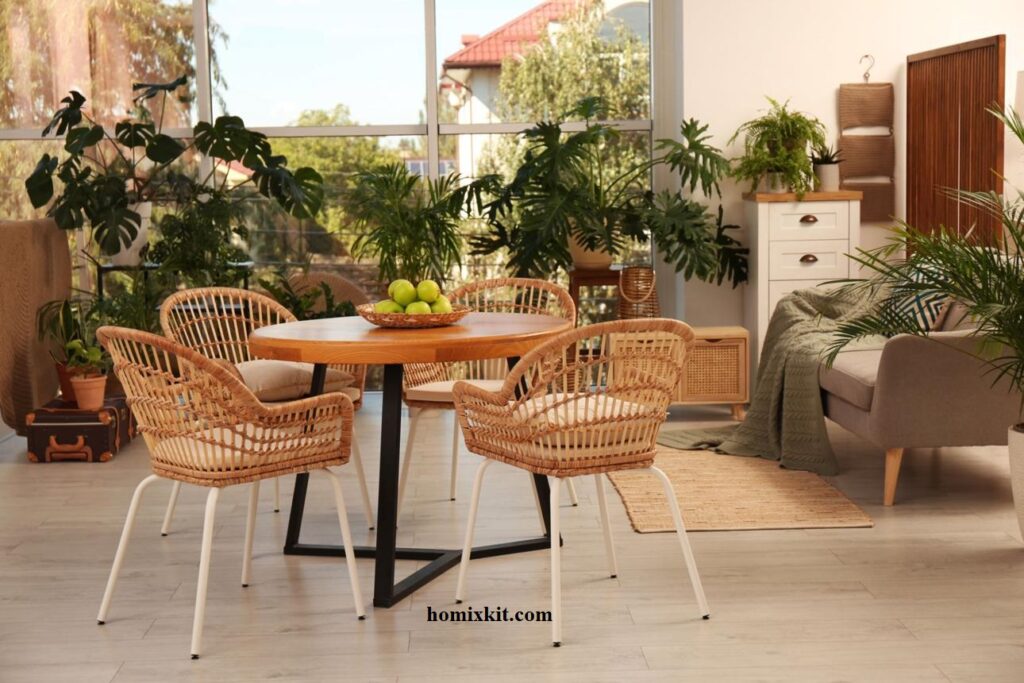
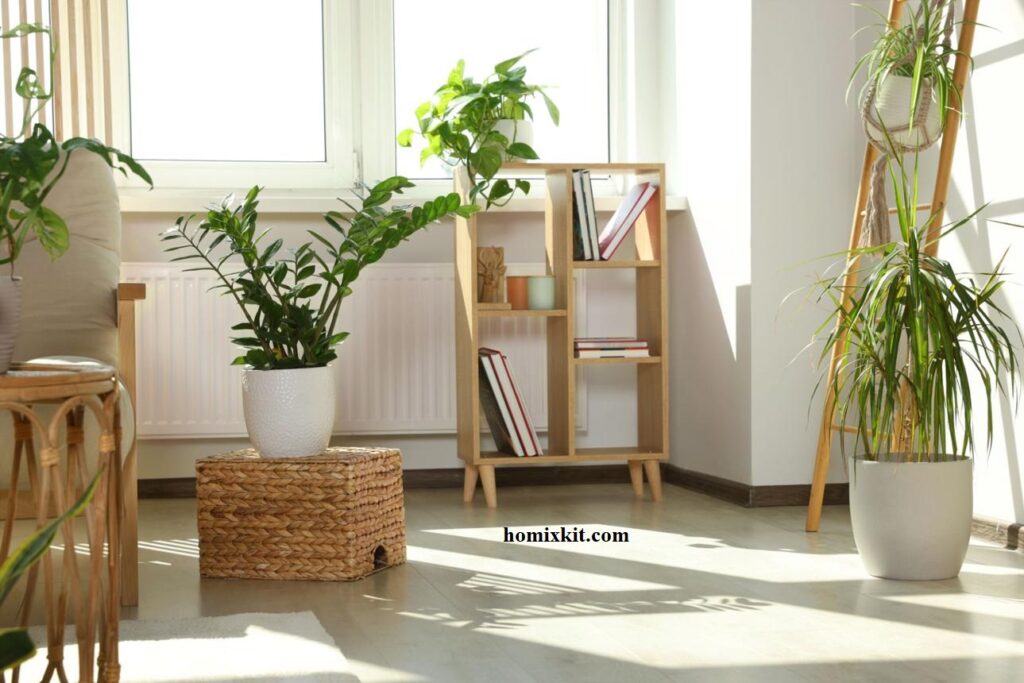
Plants bring life into a room literally. They improve air quality, reduce stress, and add a fresh, vibrant touch. Even a single plant can make a space feel more inviting.
Styling Greenery
Mix different sizes and types of plants to create visual interest. Place them on shelves, corners, or tabletops to distribute greenery throughout the room.
Conclusion
Decorative accents are proof that you don’t need a full renovation to reinvent your space. With thoughtful choices and a bit of creativity, you can completely transform the look and feel of any room without touching your furniture. It’s about working smarter, not harder using color, texture, light, and personality to create a space that feels uniquely yours. Once you start experimenting, you’ll realize how powerful these small changes can be.
When it comes to elevating your home decor, the right accessories can transform any space from ordinary to extraordinary. As design trends evolve, the accessories you choose can reflect your personality, enhance functionality, and breathe new life into your environment. Here’s a curated list of the top 20 best home decor accessories for 2026, selected with input from professional designers.
FAQs
1. Can decorative accents really change a room completely?
Yes, even small accents like cushions, rugs, and lighting can dramatically alter a room’s mood and style.
2. What is the cheapest way to refresh a room?
Swapping out cushions, adding a new rug, or rearranging accessories are budget-friendly options.
3. How often should I update decorative accents?
Seasonally or whenever you feel like refreshing your space it’s completely flexible.
4. Are plants necessary for home decor?
Not necessary, but highly recommended for adding life and freshness.
5. How do I avoid clutter with decorative items?
Stick to a minimal approach and choose meaningful, high-impact pieces.